You are here: Home1 / Resource2 / Technical Guidance3 / Common Hydraulic Hose Failures and How to Prevent Them
Common Hydraulic Hose Failures and How to Prevent Them
In industrial machinery, construction equipment, and hydraulic power systems, hydraulic hoses hold an essential position. The proper functioning of a hydraulic hose is critical to the safe and reliable operation of the equipment and the system, as a hose failure can lead to equipment downtime, safety accidents, and increased maintenance costs.
This article will introduce common hydraulic hose failures and provide prevention tips. Knowing this information beforehand can significantly enhance system reliability and service life while lowering maintenance expenses.
Common Failure 1: Abrasion and External Damage
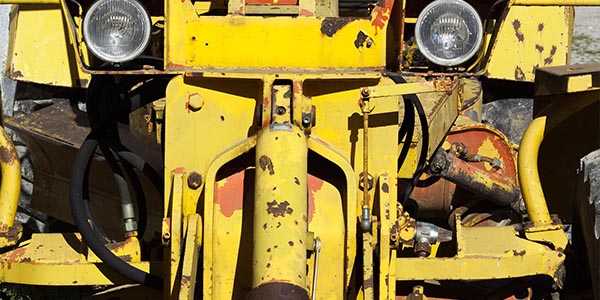
Abrasion is one of the leading factors causing hydraulic hose rupture. When the hose rubs against mechanical components, sharp edges, or other hoses, its outer cover can wear down, exposing the internal reinforcement layer. Over time, this leads to complete hose rupture and malfunction.
Prevention Tips:
- Opt for hydraulic hoses with a high abrasion-resistant cover.
- Install protective sleeves or clamps on the hydraulic hose.
- Carefully plan the installation routing and ensure ample installation space.
Common Failure 2: Incorrect Hose Installation
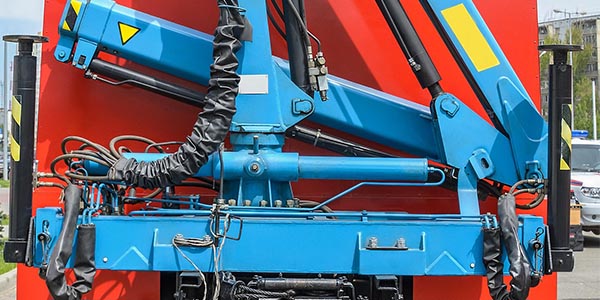
Improper installation, such as excessive bending radius, significant torsion (twisting), or excessive tension during installation, can damage the hose’s internal structure. This damage often leads to leaks or ruptures over time, a frequently observed failure in hydraulic applications.
Prevention Tips:
- Always refer to the manufacturer’s documentation for the required minimum bend radius.
- Avoid twisting the hose during installation.
- Account for hose movement and pressure fluctuations in the system.
Common Failure 3: Pressure Surges and Overpressure
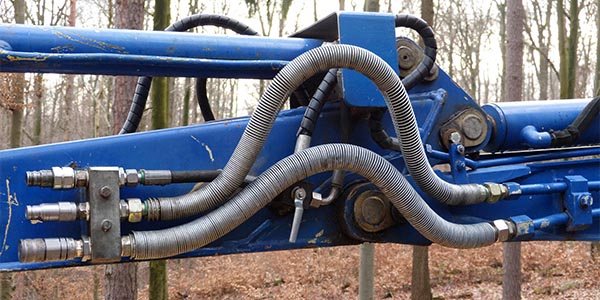
When the pressure generated by the equipment or system suddenly exceeds the hose’s rated working pressure, it can cause internal damage or a catastrophic failure.
Prevention Tips:
- Select a hose with the appropriate pressure rating.
- Utilize pressure relief valves where necessary.
- Regularly inspect the system for any signs of abnormal pressure phenomena.
Common Failure 4: Temperature and Fluid Compatibility Issues
Prolonged exposure to excessive heat or the incompatibility between the fluid medium and the hose material can cause the hose material to harden, crack, or degrade in performance.
Prevention Tips:
- Select hoses suitable for the specific temperature range.
- Confirm fluid compatibility before installation. For example, for conveying corrosive chemicals, choose a hose made of UHMWPE (Ultra-High Molecular Weight Polyethylene) + EPDM (Ethylene Propylene Diene Monomer) material, which offers resistance to acids and alkalis.
- Regularly inspect the system and promptly replace any hoses showing signs of aging or hardening.