
Industrial Hose for Oil and Fuel Transfer
Modern industries, such as petroleum, construction, and manufacturing, demand the highest safety standards. This article focuses on how to safely transport petroleum products and fuels.
Whether handling diesel, gasoline, lubricants, or crude oil, selecting the right industrial hose is critical for preventing leaks, contamination, equipment damage, and safety hazards. Therefore, hose selection must be approached with utmost care.
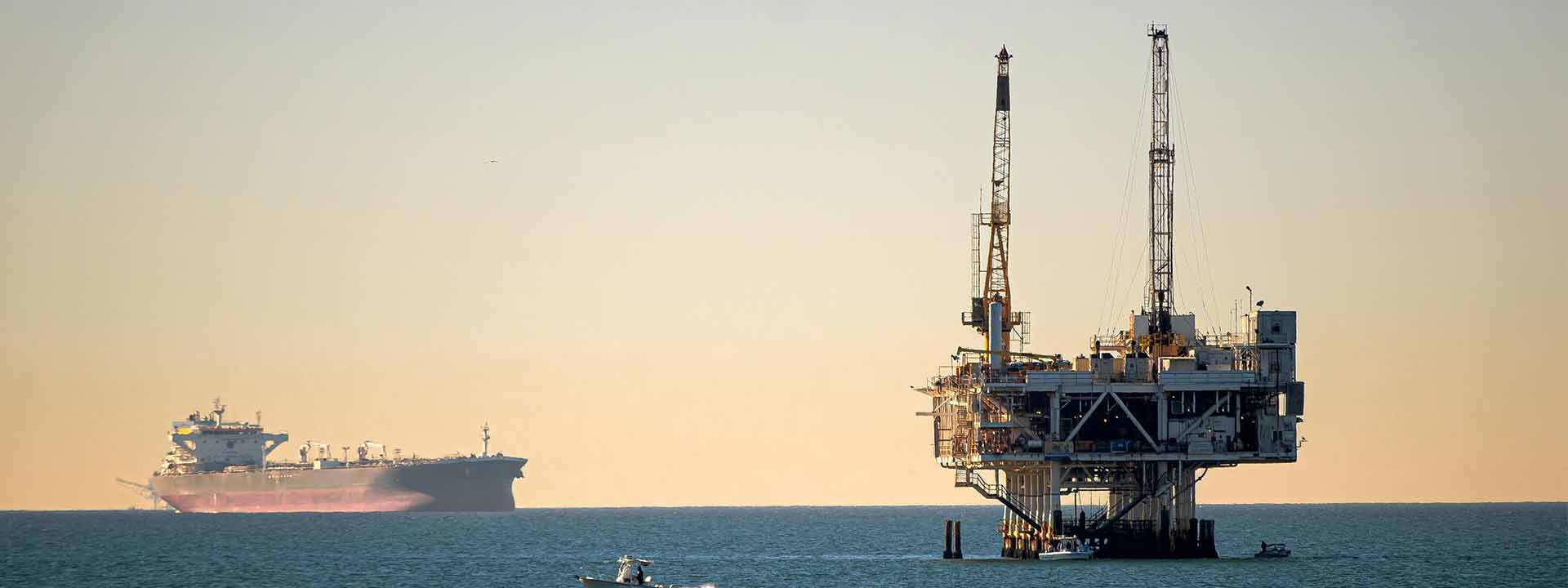
Why Specialized Hoses Are Required for Oil and Fuel
Due to the nature of the conveyed fluid, conventional hoses degrade upon contact with hydrocarbons, leading to swelling, cracking, or catastrophic bursting. This can result in significant losses and even safety hazards.
Therefore, when transporting specialized fluids like oil and fuel, professional industrial oil hoses must be selected. Their advantages include:
- Superior oil resistance: Specifically engineered for petroleum-based fluids to prevent dissolution and cracking.
- High-pressure tolerance: Withstands pressure fluctuations during transportation.
- Static dissipation: Incorporates conductive internal design to significantly reduce fire risks.
- Environmental adaptability: Wear-resistant and weatherproof, ensuring extended service life in harsh conditions.
Using the correct hose ensures operational reliability and compliance with safety standards.
Common Applications
Oil and fuel transfer hoses are widely used across many sectors:
- Fuel delivery trucks and tankers
- Gas stations and refueling systems
- Marine fueling operations
- Oil fields and drilling sites
- Industrial lubrication systems
- Construction and mining equipment
- Aviation fueling (with specialized hoses)
Each application may require different pressure ratings, flexibility, and chemical compatibility.
In-depth Analysis: Structure and Materials of Oil and Fuel Hoses
Oil and fuel transfer hoses are widely used across many sectors:
| Structural layer | Key Features | Commonly used materials |
| Inner Tube | Directly in contact with the fluid, preventing permeation and contamination | Nitrile rubber (NBR), synthetic rubber, specialised fuel-resistant elastomers. |
| Reinforcement | Determines the pressure-bearing capacity and strength of the hose. | High-tenacity fibre braiding, steel wire braiding or spiral steel wire. |
| Outer Cover | Resist damage from external environments. | Neoprene, ozone/UV/abrasion-resistant synthetic rubber. |
Engineer’s Notes: NBR (nitrile rubber) is currently the most cost-effective and widely used inner rubber material due to its excellent resistance to petroleum products and good flexibility.
How to Choose the Right Oil and Fuel Transfer Hose
When making actual purchases, you need to comprehensively consider factors such as the type of medium, operating pressure, ambient temperature, and whether anti-static safety features are required.
Click to View: 《How to Select Hose for Oil and Fuel Transfer: 6 Key Factors Buyers Must Know》
Maintenance and Inspection Tips
Even the highest-quality hoses require regular inspections to promptly identify issues and prevent major accidents that could cause significant losses.
System inspections typically focus on the following key areas:
- Check if the outer rubber layer of oil and fuel hoses shows signs of hardening or cracking.
- Inspect hose fittings for oil stains, which may indicate potential leaks.
- If oil or fuel hoses exhibit localized bulging or abnormal deformation, replace them immediately.

