Agricultural Hose Solutions for Modern Farming Equipment
Durable hydraulic, chemical-resistant and irrigation hoses engineered for harsh agricultural environments.

Agriculture places unique demands on hose systems. Farm equipment operates in abrasive soil, intense sunlight, chemical exposure, and extreme seasonal temperatures. In these environments, hose reliability directly affects productivity, safety, and operating cost.
From crop spraying and irrigation to tractor hydraulics and livestock cleaning systems, modern farming depends on fluid transfer systems that perform consistently under pressure.
We supply industrial hose solutions designed specifically for agricultural applications — combining durability, chemical resistance, and long service life.
Agricultural environments are among the harshest operating conditions for industrial hoses. Exposure to UV radiation, abrasive soil, fertilizers, pesticides, and fluctuating temperatures can significantly reduce hose lifespan.
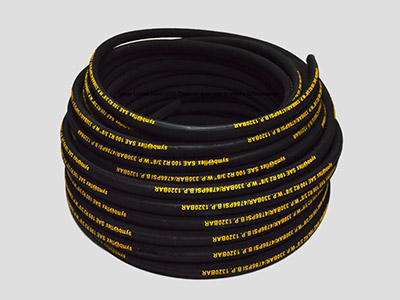
High-pressure hydraulic hoses are essential in tractors, loaders, harvesters, and automated farm equipment. These hoses must withstand pressure spikes, vibration, and repeated flexing without failure.
Key Features:
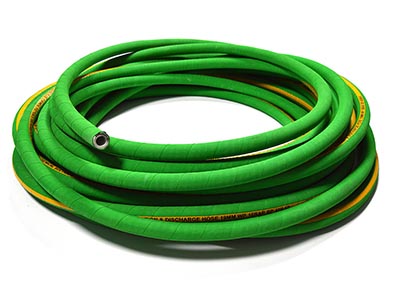
Spraying systems require hoses that are compatible with aggressive agricultural chemicals. Improper hose material can degrade quickly and contaminate fluids.
Our chemical-resistant hoses are designed for:
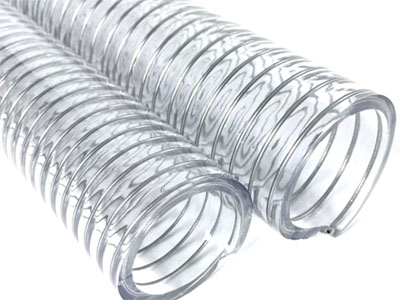
For water transfer and irrigation systems, lightweight and flexible PVC hoses provide cost-effective performance. These hoses offer easy handling while maintaining strong pressure capability.
Applications include:
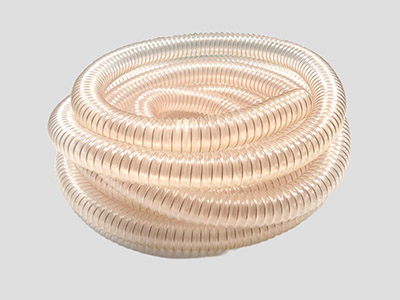
Compressed air systems are widely used in automated agricultural tools and maintenance equipment. Pneumatic hoses must remain flexible across temperature variations and frequent movement.
We combine industry expertise, advanced manufacturing, and quality materials to deliver superior agricultural solutions.
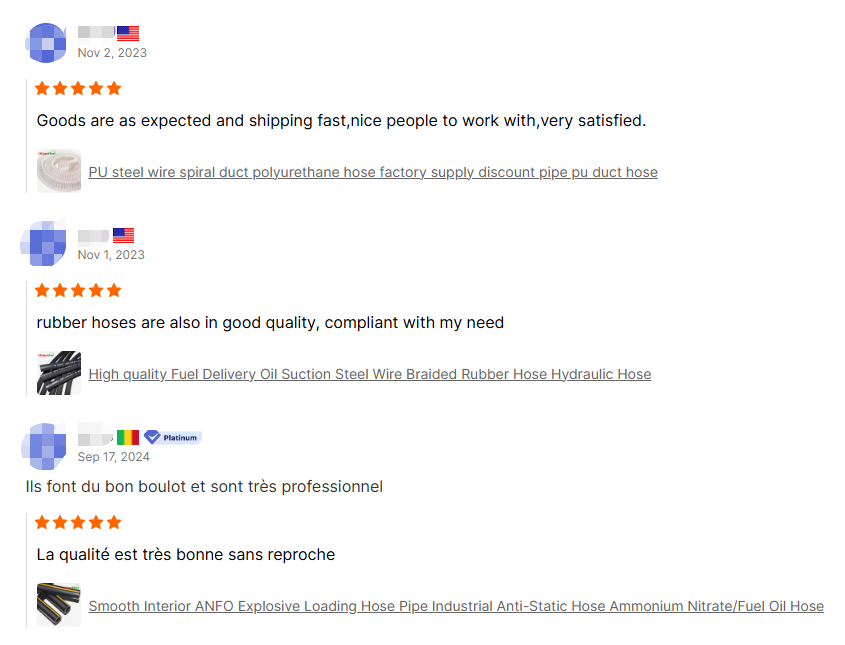
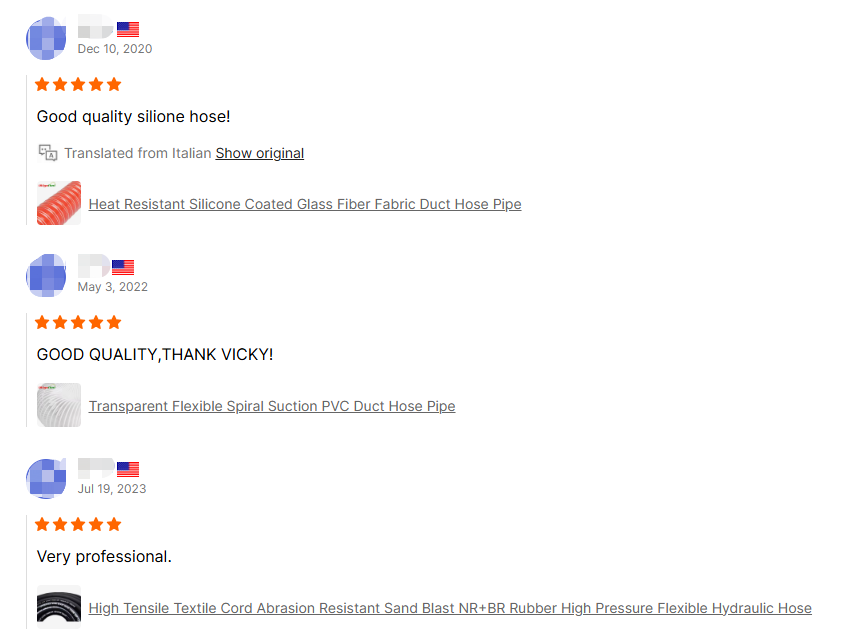
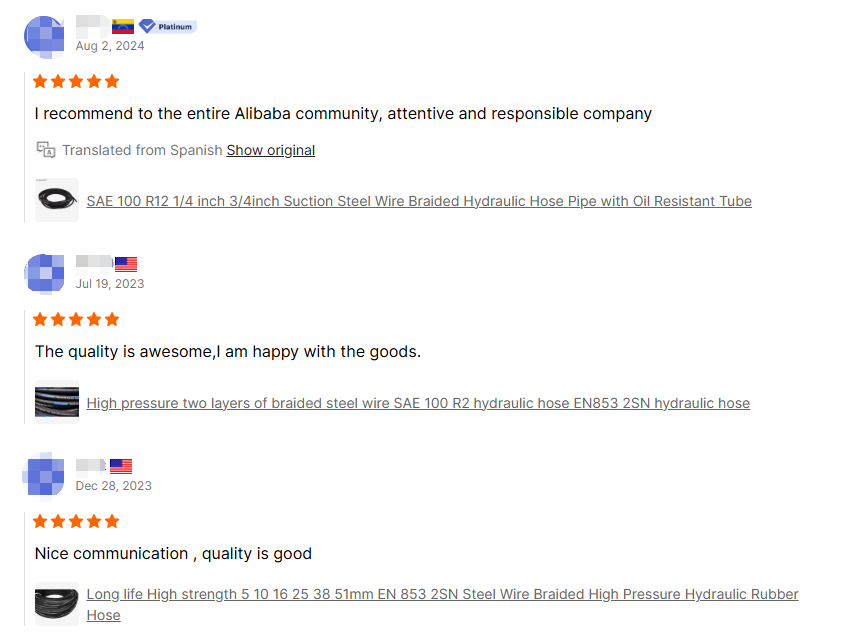
Established in 2009, we’ve built a reputation as a trusted global partner serving over 1000 clients worldwide.
End-to-end OEM/ODM capabilities with 3D design support for specialized requirements like food-grade & anti-static.
Production lead time for 1×20-foot container is typically 10-15 days, while 1×40-foot container orders generally require 20-25 days.
Compliant with ISO, SAE, EN, and RoHS standards to ensure safety and reliability in all applications.
Focuses on R&D and technological innovation to produce high-performance, premium-quality hydraulic hoses
Bilingual technical support in English and Spanish, covering North America, South America, and Europe.
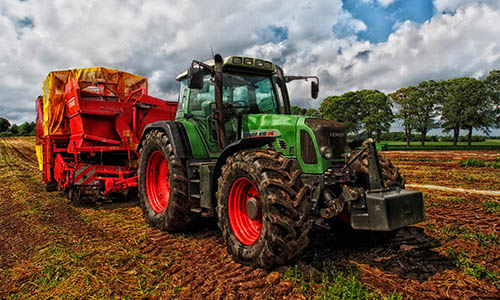
Agricultural tractors rely on hydraulic hoses for steering, lifting, loader control, and attachment operation. These systems experience frequent pressure spikes, vibration, and continuous flexing in rough field conditions.
Reliable hydraulic hose assemblies are essential to prevent leakage and downtime during peak farming seasons.
Recommended hose types:
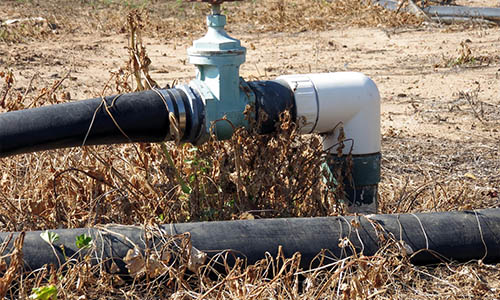
Irrigation pumps require durable discharge hoses capable of handling sustained water flow and outdoor exposure. These hoses must resist UV radiation, abrasion from soil, and pressure fluctuations during long operating cycles.
Consistent irrigation performance depends on stable hose construction and long service life.
Recommended hose types:
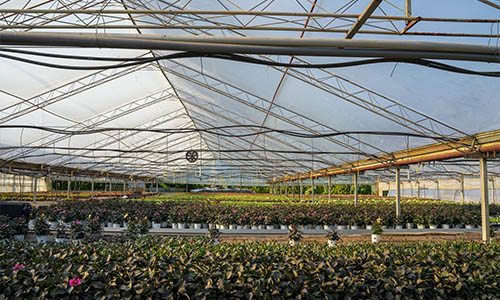
Greenhouse operations depend on precise and reliable fluid transfer for watering and nutrient delivery. Flexible hoses allow easy routing through controlled environments while maintaining stable flow performance.
Material safety and consistency are critical in high-value crop production.
Recommended hose types:
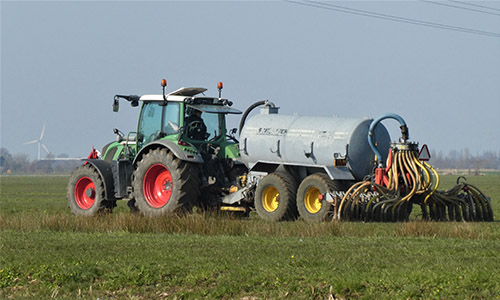
Liquid fertilizers are chemically aggressive and can rapidly degrade improper hose materials. Specialized inner tube compounds are required to maintain chemical compatibility and prevent contamination.
Proper fertilizer transfer hoses reduce leakage risk and extend system lifespan.
Recommended hose types:
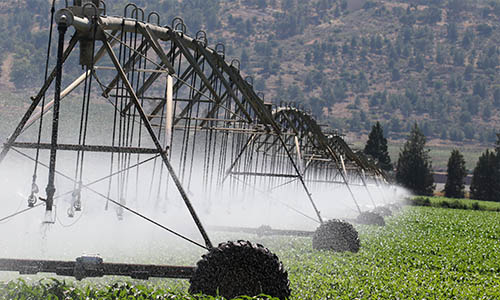
Center pivot irrigation systems involve continuous movement, requiring hoses that withstand bending, abrasion, and long-term UV exposure. Flexible hose construction prevents fatigue failure during repetitive motion.
These systems demand hoses engineered for durability under dynamic stress.
Recommended hose types:
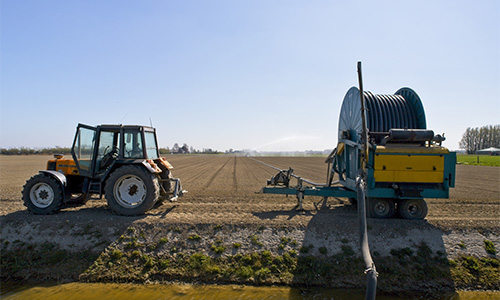
Reel irrigation systems use heavy-duty suction and transfer hoses to draw water from canals, ponds, or reservoirs and deliver it across large agricultural fields. These hoses operate continuously under outdoor conditions and must resist abrasion, UV exposure, and pressure fluctuations.
Reliable intake hoses ensure stable water supply and prevent pump cavitation during long irrigation cycles.
Recommended hose types:
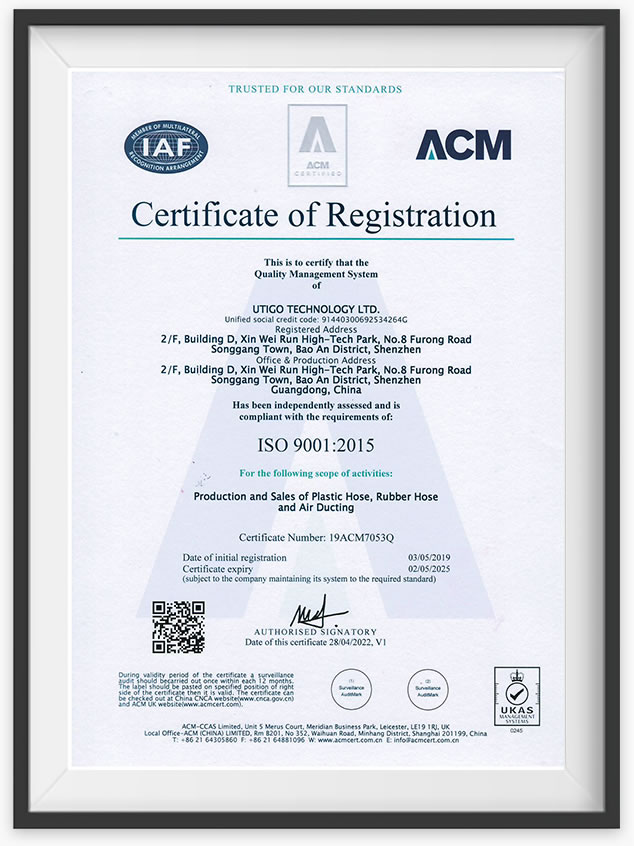
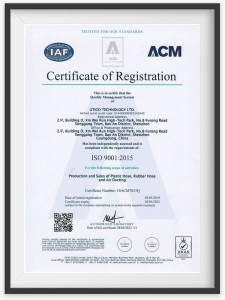
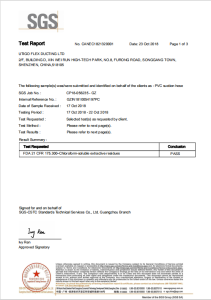
Certification demonstrates that Uitgoflex, a hydraulic hose manufacturer, possesses a stable and continuously improving quality management system capable of ensuring product (hose) quality compliance with standards.
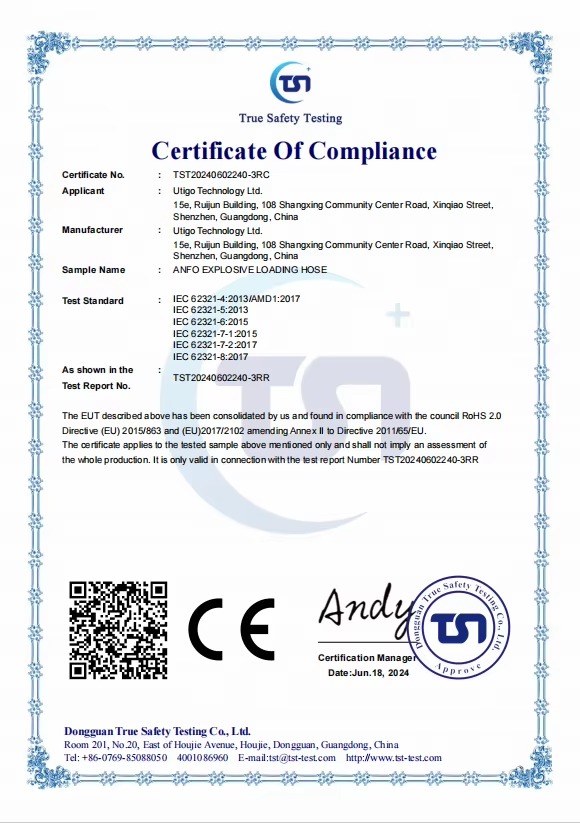
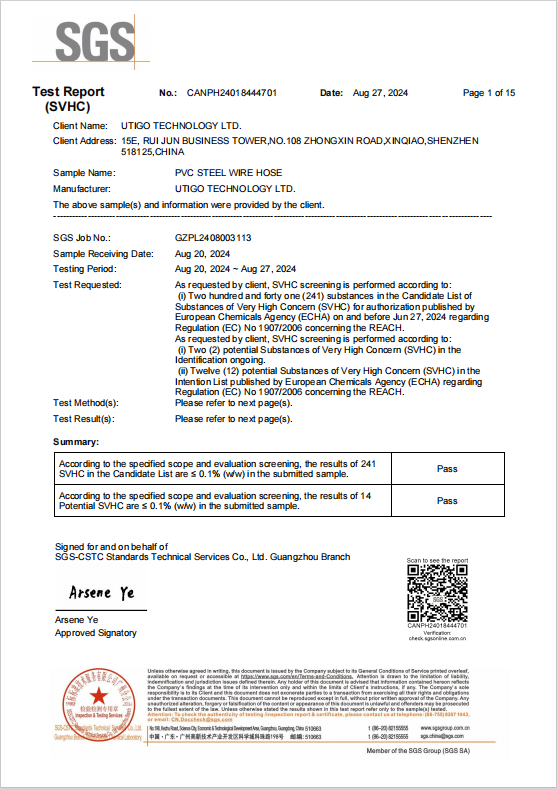
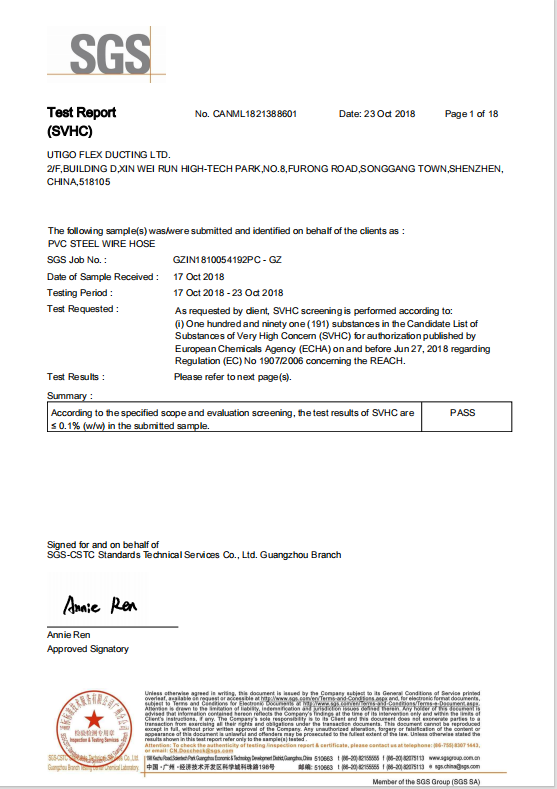
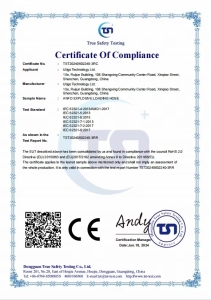
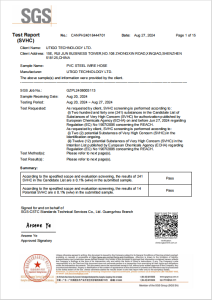
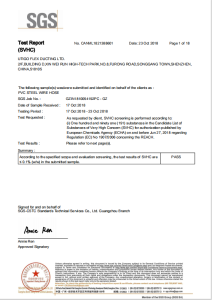
This certification confirms that Uitgoflex hydraulic hoses comply with EU chemical regulations, ensuring restricted or prohibited substances within hose materials remain within specified limits. This serves as the product’s passport for market access within the European Union.
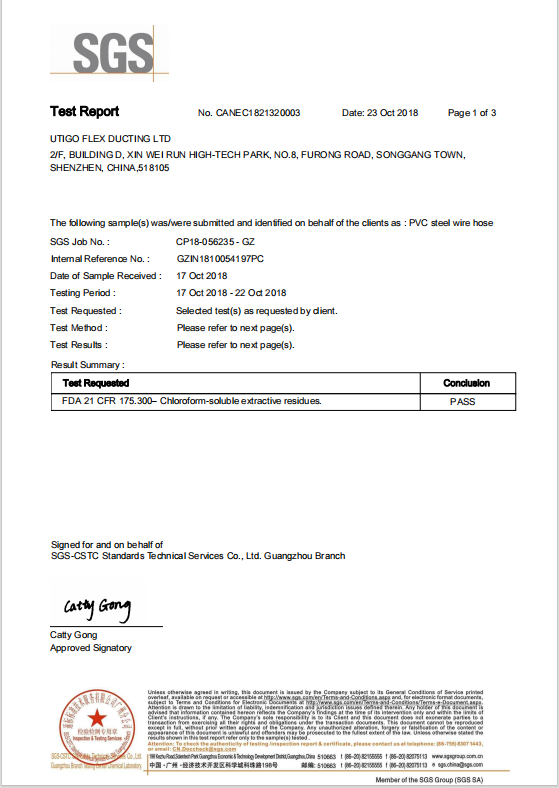
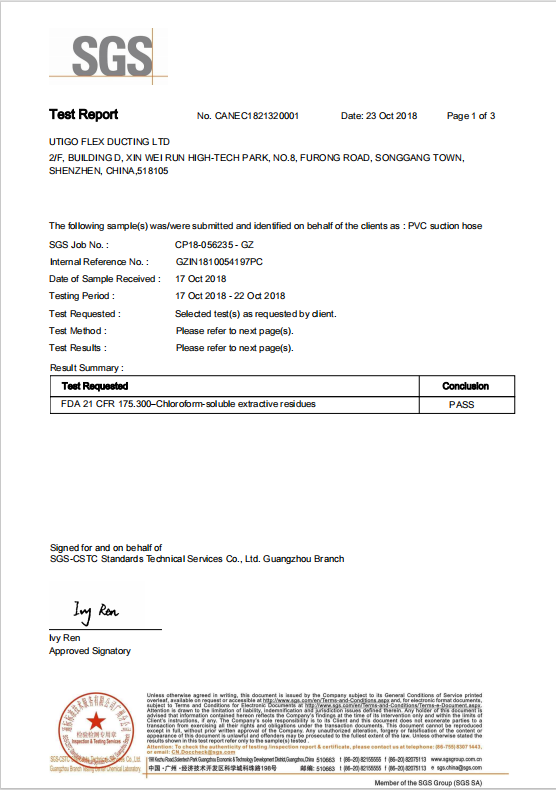
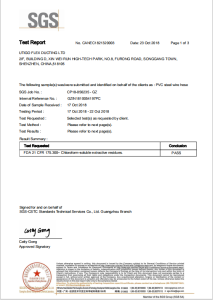
Certify that Utigoflex hydraulic hose materials (e.g., for food, beverage, or medical applications) are safe and non-toxic, preventing contamination of contacted substances and meeting hygiene and health standards.
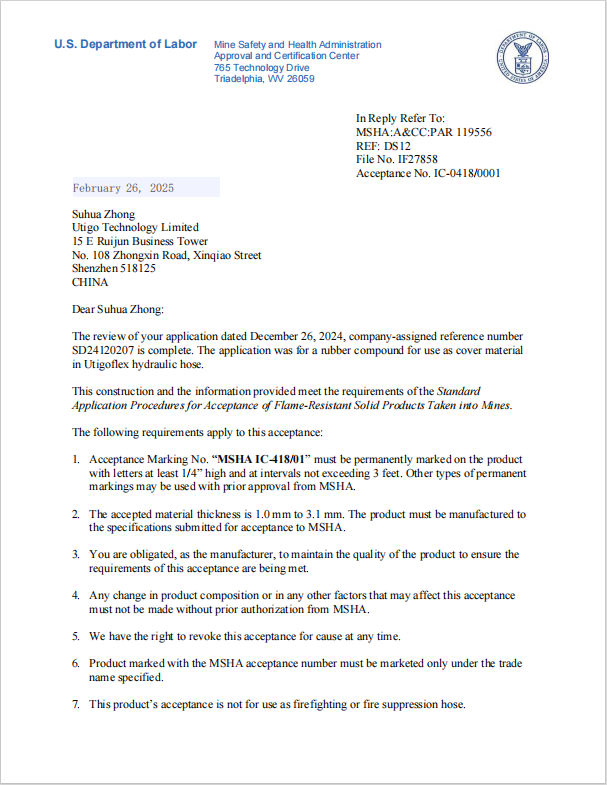
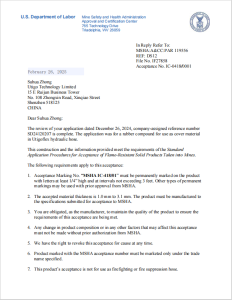
Certify that Utigoflex hydraulic hoses (particularly for mining ventilation, hydraulic systems, and material conveyance) comply with U.S. Mine Safety and Health Administration (MSHA) safety standards, essential for accessing the American mining market.
Hoses must handle both operating pressure and pressure spikes without fatigue.
Inner tube materials must resist fertilizers, pesticides, and cleaning chemicals.
Seasonal farming exposes hoses to freezing winters and hot summers.
If hoses are exposed outdoors without protection, the material will deteriorate rapidly.
Hoses must remain flexible for mobile equipment and tight routing.
A longer hose lifespan reduces maintenance interruptions and replacement costs.
What Hose is Best for Agricultural Spraying?
Toggle Content goes here
How Long Does an Agricultural Hose Last?
Service life depends on pressure cycles, UV exposure, chemical contact, and maintenance practices. Proper hose selection significantly extends lifespan.
Can PVC Hoses Handle Fertilizers?
Only PVC hoses specifically formulated for chemical exposure should be used. Standard PVC may degrade when exposed to aggressive fertilizers.
Are Agricultural Hoses UV Resistant?
Many agricultural hoses are designed with UV stabilizers to prevent cracking and surface degradation during outdoor use.