
You are here: Home1 / Resource2 / Technical Guidance3 / How to Choose the Right Air Hose: PVC vs. Rubber
How to Choose the Right Air Hose: PVC vs. Rubber
When choosing an air hose for compressors or pneumatic tools, many buyers ask the same question: Which air hose is better, PVC or rubber? The answer depends on your application, working environment, and budget. As an experienced air hose manufacturer, Utigoflex helps customers worldwide select the right material for their needs.
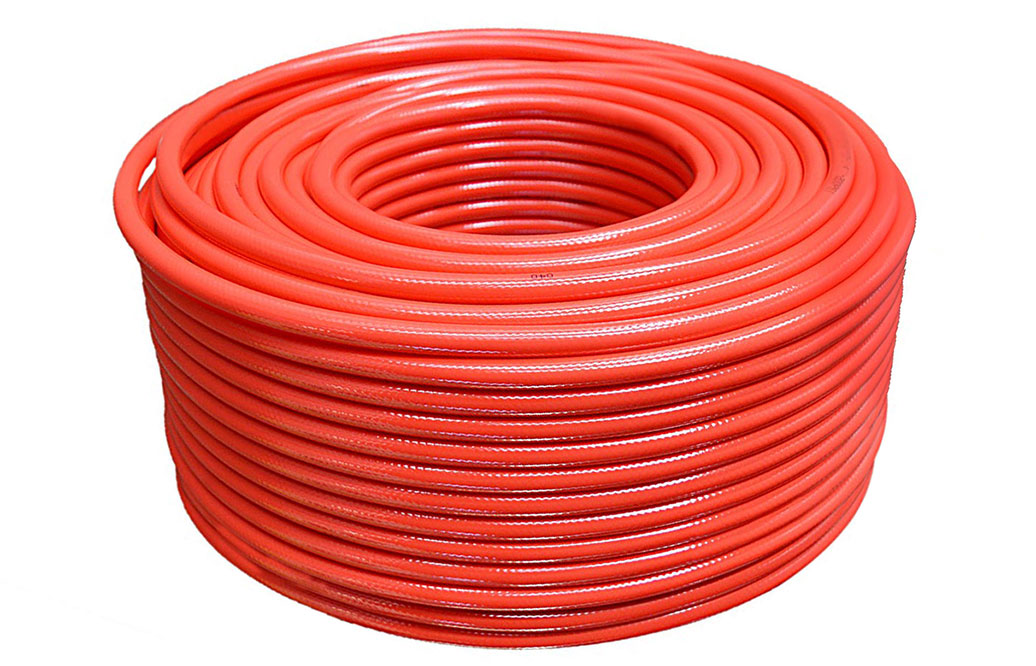
What Is a PVC Air Hose?
A PVC air hose is made from polyvinyl chloride and is widely used in light to medium-duty applications. It is popular for its cost-effectiveness and ease of handling.
Key advantages of PVC air hoses:
- Lightweight and flexible
- Lower cost compared to rubber air hose
- Resistant to corrosion and moisture
- Easy to store and transport
However, PVC air hoses may become stiff in cold temperatures and are generally less durable in harsh industrial environments.
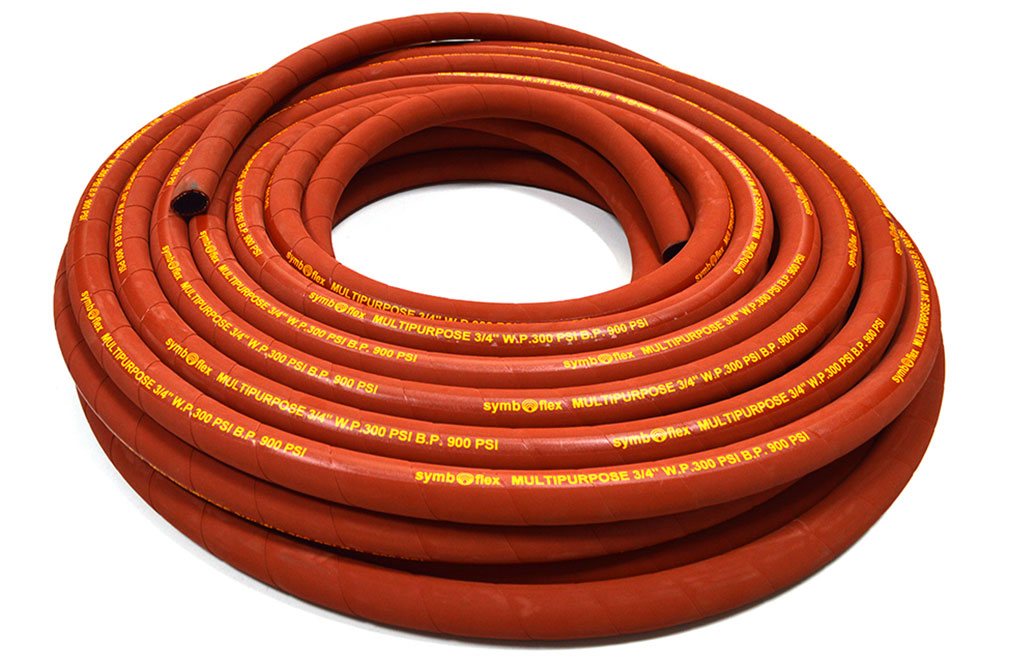
What Is a Rubber Air Hose?
A rubber air hose is designed for heavy-duty and industrial use. It performs well under high pressure and extreme working conditions.
Key advantages of rubber air hoses:
- Excellent flexibility in both hot and cold environments
- High resistance to abrasion and wear
- Longer service life
- Suitable for industrial air compressors and job sites
The main drawback is that rubber air hoses are heavier and usually more expensive than PVC options.
PVC vs Rubber Air Hose: Which One Should You Choose?
To determine which air hose meets your needs, let’s compare them across 10 key dimensions that directly impact user experience and performance:
1. Material Composition
PVC (polyvinyl chloride) air hoses are made from rigid plastic compounds, often with a polyester spiral outer layer to help maintain shape. This synthetic material is widely used in household and light industrial products for its cost-effectiveness and corrosion resistance.
Rubber air hoses are typically constructed from natural or synthetic rubber, reinforced with braided or spiraled yarn. The material is thick, flexible, and known for its resistance to scratches and impacts, making it suitable for harsh environments.
2. Weight & Portability
PVC hoses are extremely lightweight due to their plastic composition. This makes them easy to carry over long distances and reposition frequently, reducing operator fatigue—ideal for tasks that require mobility. However, their light weight can cause them to curl up instead of lying flat on the ground, which may be a minor inconvenience during use.
Rubber hoses are significantly heavier. A 50-foot rubber hose typically weighs 6–8 pounds, making long-distance transport cumbersome. On the flip side, their weight helps them lay flat stably, preventing unwanted movement during operation.
3. Flexibility & Handling
PVC hoses offer adequate flexibility in moderate temperatures, making them easy to maneuver for general tasks. However, they become stiff and inflexible in cold weather, which hinders coiling, uncoiling, and overall handling.
Rubber hoses excel in flexibility, even in freezing conditions. They can be pulled, twisted, or looped without tangling or kinking, making them easy to work with in any temperature. Their superior handling is a major advantage for continuous, heavy-duty use.
4. Durability & Longevity
PVC hoses are abrasion-resistant and perform well in light-duty environments. They hold up against surface wear from rubbing against smooth surfaces but are prone to cracking or breaking if dragged over rough terrain (like concrete or construction sites) or exposed to heavy impacts.
Rubber hoses are highly durable and built for heavy-duty use. They resist wear, cuts, and harsh working conditions, providing reliable performance for years even with daily use. The main caveat is that rubber dries out over time, especially when exposed to direct sunlight, which can lead to cracking—most commonly at the metal fitting connection point due to repeated stress.
5. Temperature Resistance
PVC hoses have a narrow temperature range, typically working between 20°F and 145°F (-6°C to 63°C). They become brittle in cold weather and may soften or deform in extreme heat, limiting their use in outdoor or seasonal environments.
Rubber hoses have a much wider temperature tolerance, ranging from -20°F to 165°F (-29°C to 74°C). They maintain flexibility and performance in freezing winters and hot summers, making them suitable for year-round, outdoor, or industrial use.
6. Kink & Tangle Resistance
PVC hoses are prone to kinking, which restricts air flow and can damage the hose over time. Their stiffness exacerbates this issue, especially in cold weather or when coiled improperly.
Rubber hoses are nearly kink-free and resist tangling. Their flexible, resilient material allows them to spring back to shape even if bent sharply, ensuring consistent air flow and longer lifespan.
7. Chemical & Oil Resistance
PVC hoses have moderate chemical resistance but are not ideal for contact with oil or solvent-based products. Exposure to these substances can degrade the material, leading to leaks or failure.
Rubber hoses offer better resistance to oil, grease, and most industrial chemicals. This makes them suitable for automotive workshops, factories, and other environments where contact with such substances is common.
8. Ideal Applications
PVC hoses are best for light-duty, budget-friendly tasks, including:
-
Household maintenance (e.g., inflating tires, air beds, or inflatable pools)
-
Light industrial work in controlled environments (e.g., small workshops, garages)
-
Tasks requiring frequent mobility (e.g., occasional painting with a small spray gun)
Rubber hoses are designed for heavy-duty, demanding applications, such as:
-
Construction sites (dragging over rough concrete, gravel, or debris)
-
Industrial settings (factories, automotive repair shops, heavy pneumatic tool operation)
-
Outdoor work in extreme temperatures (winter construction, summer landscaping)
-
Continuous, high-pressure use (e.g., nail guns, sandblasters)
9. Maintenance & Storage
PVC hoses are low-maintenance. They are easy to clean and store, though their tendency to curl may require a hose reel to keep them organized. They should be stored in a cool, dry place to avoid heat damage.
Rubber hoses require slightly more care. Their soft, porous outer layer collects dirt and is not easily cleanable—dragging a dirty rubber hose indoors can scuff trim or flooring. They should be stored away from direct sunlight to prevent drying and cracking. Despite this, their kink resistance makes coiling for storage straightforward.
10. Price & Affordability
PVC hoses are the most budget-friendly option. They are often included for free with air compressors and are significantly cheaper than rubber hoses—making them a great choice for casual users or those on a tight budget.
Rubber hoses are more expensive, with a 50-foot rubber hose costing $20–$40 (or more for high-quality options). However, their durability and longevity make them a cost-effective investment for professional users or heavy-duty applications.

