You are here: Home1 / Resource2 / Technical Guidance3 / How to Select Hydraulic Hoses: Steel Wire Braided vs. Textile Braided Hydraulic...
How to Select Hydraulic Hoses: Steel Wire Braided vs. Textile Braided Hydraulic Hose
Hydraulic hoses are the “arteries” of any heavy machinery, responsible for transporting pressurized fluid to power motors, cylinders, and critical tools. However, in the complex world of hydraulic systems, selecting the wrong hose is a common and costly mistake that can lead to downtime or even dangerous accidents.
The most critical decision you will face is choosing the right reinforcement type. The two main contenders are Steel Wire Braided Hoses and Textile Braided Hoses. While they may look similar on the outside, their internal construction dictates their performance limits. This guide will provide a clear roadmap to help you make the right selection for your specific application.
1. Why Reinforcement Matters in Hydraulic Hose Selection
Before diving into the comparison, it is vital to understand that the inner tube of a hose carries the fluid but lacks structural strength. The reinforcement layers—whether steel or textile—provide the necessary strength to withstand internal pressure and prevent bursting. Choosing the wrong reinforcement is not just an efficiency issue; it is a significant safety hazard.
Want to learn more? Click here to read the related blog post 《What Is Hydraulic Hose Reinforcement?》
2. Steel Wire Braided Hydraulic Hose: The Heavy-Duty Powerhouse
What Is It?
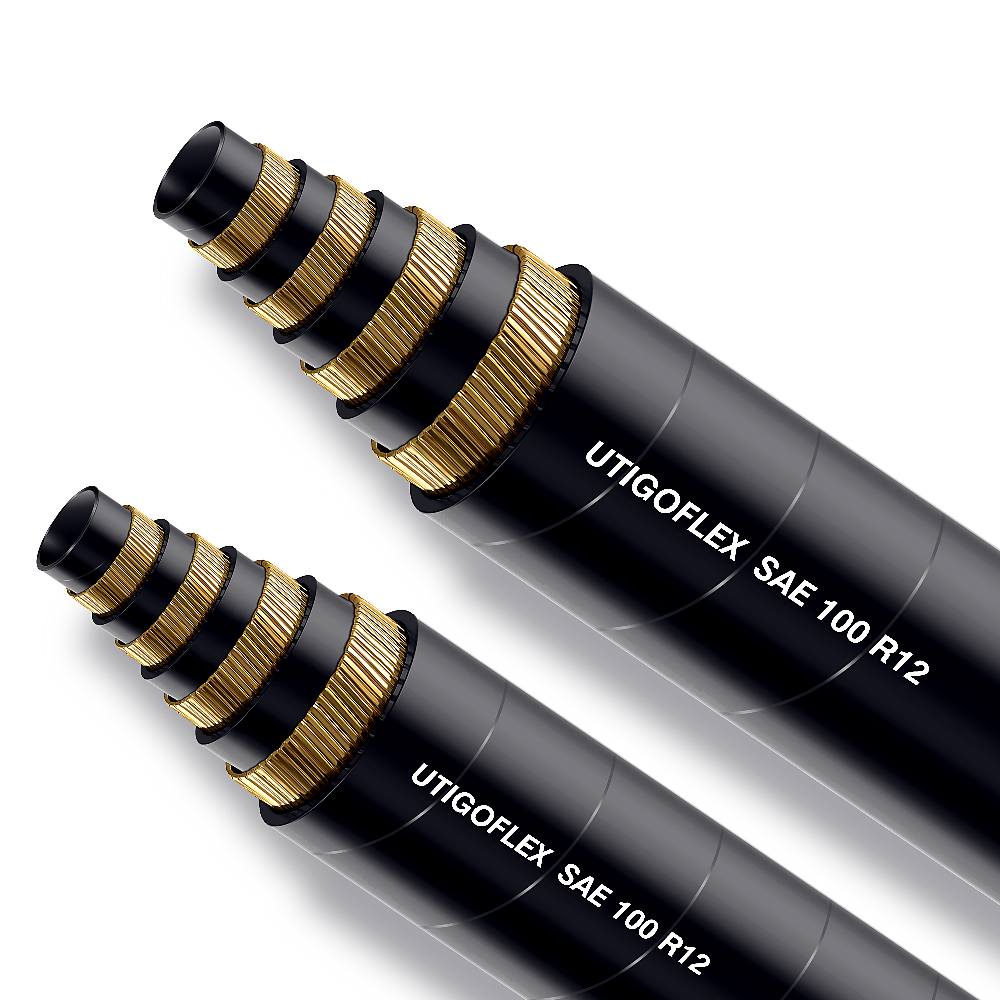
Steel wire braided hoses feature one or multiple layers of high-tensile steel wire braided tightly around the inner tube. This rugged construction is engineered for the most demanding industrial environments.
Key Performance Advantages:
- High Pressure Resistance: Built for high-pressure applications, typically ranging from 2,500 PSI to over 6,000 PSI.
- Durability: Offers excellent resistance to crushing, external impacts, and abrasion.
- Stability: Minimizes expansion under pressure, ensuring consistent system performance.
Common Applications:
You will typically find these in heavy construction equipment (excavators, bulldozers), mining machinery, industrial hydraulic presses, and high-pressure injection systems
Engineer’s Note: While they offer superior protection , keep in mind they are heavier, less flexible, and generally more expensive.
3. Textile Braided Hydraulic Hose: The Champion of Flexibility
What Is It?
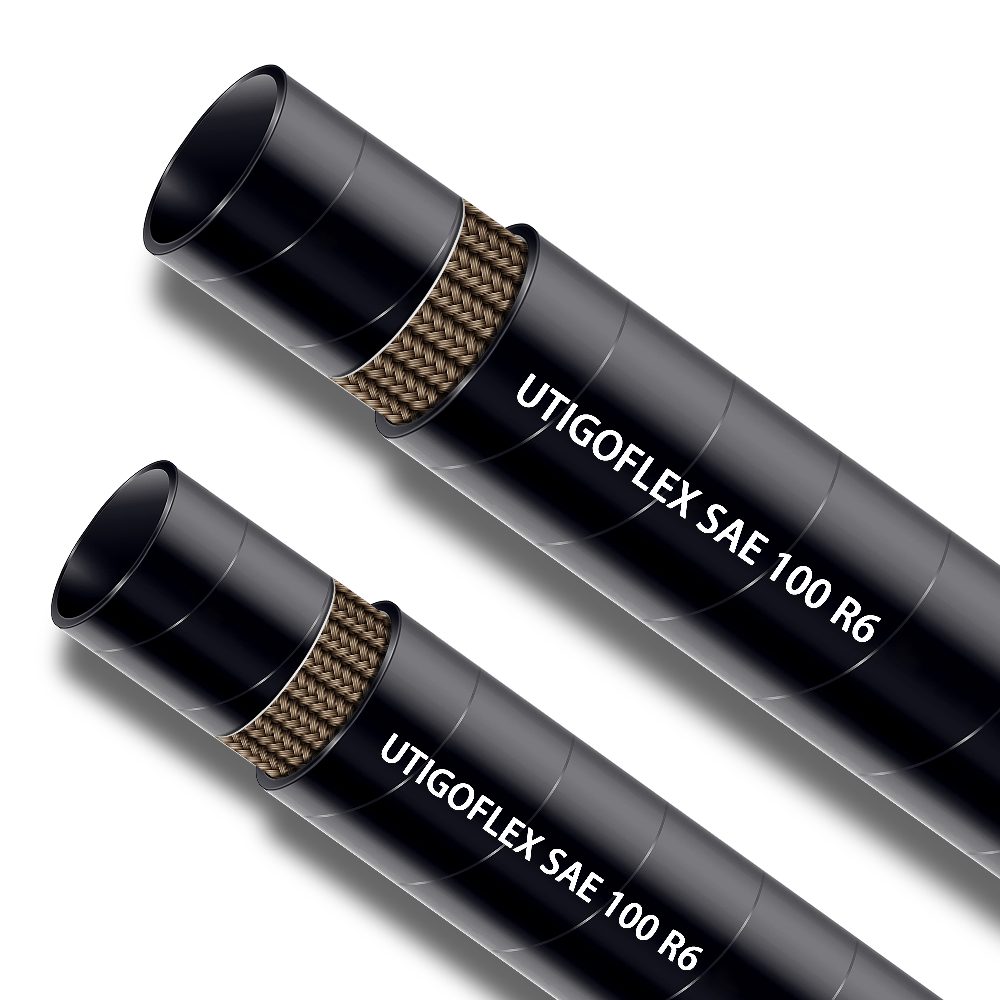
Textile braided hoses utilize synthetic fibers—such as polyester or polyamide—as the reinforcement material. They are the go-to solution for systems where weight and maneuverability are priorities.
Key Performance Advantages:
- Extreme Flexibility: Allows for a much tighter bend radius, ideal for complex and tight routing.
- Lightweight Design: Much easier to handle and install in confined spaces.
- Corrosion Resistance: Being metal-free in the reinforcement layer, these hoses are immune to rust.
Common Applications:
Ideal for return lines, suction lines, power steering systems, and fuel systems where pressures are medium to low.
4. Steel Wire vs. Textile Braided: A Quick Comparison Table
| Feature | Steel Wire Braided | Textile Braided |
| Pressure Rating |
High (Up to 6,000+ PSI) |
Low to Medium |
| Flexibility |
Lower (Larger bend radius) |
High (Tight bends) |
| Weight |
Heavier |
Lightweight |
| Durability |
High impact/abrasion resistance |
Vulnerable to sharp impacts |
| Corrosion | Potential for rust if cover is damaged |
Fully corrosion-resistant |
5. Decision Guide: 4 Steps to Choosing the Right Hose
If you are unsure which hose to pick from the rack, follow this professional checklist:
- Check the Pressure: If your system runs above 3,000 PSI, you must use Steel Wire Braided. For systems below 1,500 PSI, Textile Braided is often more cost-effective.
- Examine the Routing: For tight corners and narrow passages, choose Textile. For straight runs, Steel Wire is preferred if the pressure allows.
- Assess the Environment: If the hose is exposed to rocks, debris, or heavy impacts, the toughness of Steel Wire is essential.
- Identify the Function: Pressure lines pushing fluid to a motor require Steel Wire , while return lines bringing fluid to the tank are perfectly suited for Textile.
Want to know more about how to choose hydraulic hoses? Click to read the related blog 《How to Select the Right Hydraulic Hose for Your Application?》.
6. Why Partner with a Professional Manufacturer?
Choosing the right material is only half the battle. To ensure the longevity of your hydraulic system, you need a supplier that understands international quality standards.
As an industry leader, Utigoflex doesn’t just sell hoses; we provide engineered solutions. We offer:
- Customized Reinforcement: Precision braiding for specific pressure requirements.
- Rigorous Testing: Every batch undergoes burst and impulse testing to exceed safety standards.
- Global Logistics Expertise: Reliable delivery and support for international hydraulic projects.
Some of many industries we serve include:

