
You are here: Home1 / Blog2 / Product Knowledge3 / What Information Should You Provide When Ordering Custom Hoses
What Information Should You Provide When Ordering Custom Hoses?
When ordering custom hoses, providing accurate and complete information is essential to ensure the final product meets your application requirements. Unlike standard hoses, custom hoses are designed for specific working conditions, including pressure levels, temperature ranges, fluid types, installation environments, and connection requirements. A small mistake in specifications can lead to poor performance, reduced service life, or even safety risks.
Whether you need hydraulic hoses, industrial hoses, automotive hoses, or specialized fluid transfer solutions, manufacturers need detailed information to create the right product. Companies like Utigoflex focus on developing hose solutions based on customer requirements, making accurate technical communication an important part of the ordering process.
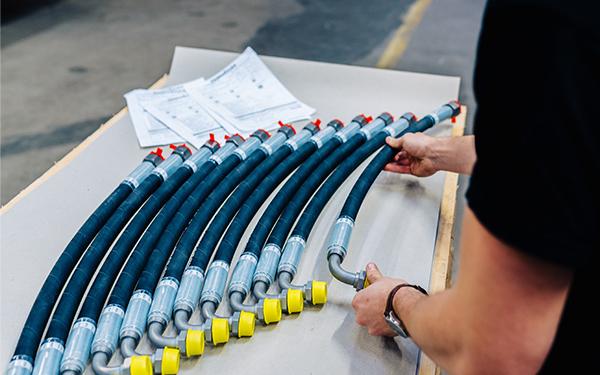
1. Application and Usage Environment
The first information you should provide when ordering a custom hose is the intended application. A hose used for hydraulic machinery has different requirements from one used for chemical transfer, food processing, or air systems.
Explain:
- What equipment the hose will be installed on
- What type of work the hose will perform
- Whether it will be used indoors or outdoors
- Whether it will be exposed to vibration, movement, or harsh conditions
- How frequently the hose will operate
For example, a hose used in construction equipment may require high pressure resistance and strong abrasion protection, while a hose used in a clean manufacturing environment may require special materials and strict hygiene standards.
Providing application details allows the manufacturer to recommend suitable materials, reinforcement structures, and designs instead of simply producing a general-purpose hose.
2. Fluid or Material Being Transported
The type of media flowing through the hose is one of the most important specifications. Different fluids can react differently with hose materials, affecting durability and safety.
You should provide information about:
- The type of fluid or gas
- Chemical composition if applicable
- Concentration levels
- Viscosity
- Whether the material is abrasive
- Whether the fluid needs special handling
A hose that works well with water may not be suitable for aggressive chemicals or fuels. Material compatibility helps prevent swelling, cracking, leakage, and premature failure.
Manufacturers such as Utigoflex evaluate these factors carefully when designing custom hose assemblies because selecting the correct inner tube and outer cover material is critical for long-term performance.
3. Required Hose Size and Dimensions
Accurate measurements are necessary for a custom hose order. Even a small difference in size can affect installation and system performance.
Important dimensions include:
Inner Diameter (ID)
The inner diameter determines flow capacity. A hose that is too small may restrict flow and increase pressure loss, while an oversized hose may not fit properly.
Outer Diameter (OD)
The outside diameter is important for routing, clamps, protective covers, and available installation space.
Length
Specify the exact required hose length. Consider whether the measurement includes fittings or only the flexible hose section.
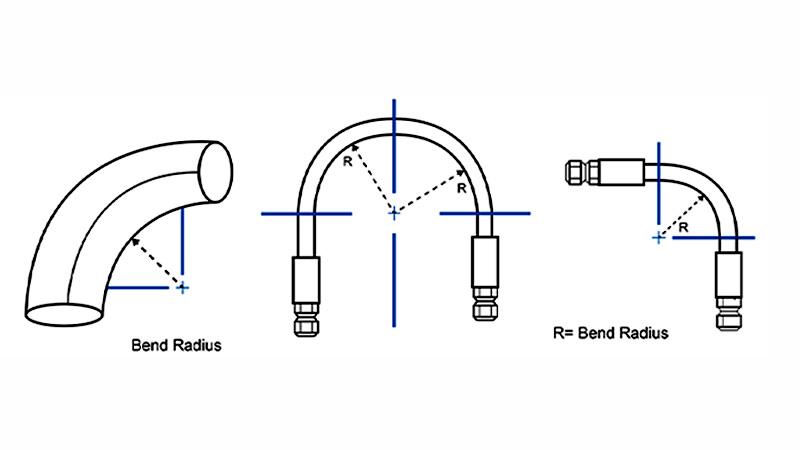
Bend Radius
The minimum bend radius shows how tightly the hose can bend without damage. Incorrect bending can cause internal reinforcement failure or reduced flow.
Providing accurate measurements helps manufacturers produce a hose that fits correctly without additional modification.
4. Pressure Requirements
Pressure ratings are another critical factor when ordering custom hoses. Manufacturers need to know the operating pressure and possible pressure peaks.
Provide:
- Normal working pressure
- Maximum pressure
- Pressure spikes or surges
- Safety requirements
A hose should always be selected based on the actual operating conditions, not just average pressure. Systems with sudden pressure increases require hoses designed to handle those conditions.
The reinforcement layers inside a hose determine its pressure capability. Depending on the application, manufacturers may use textile reinforcement, wire reinforcement, or multiple reinforcement layers.
5. Temperature Range
Temperature affects hose materials and overall performance. Extreme temperatures can reduce flexibility, weaken materials, or shorten service life.
When ordering, provide:
- Minimum operating temperature
- Maximum operating temperature
- Continuous temperature exposure
- External environmental temperature
For example, equipment operating outdoors in cold climates requires hoses that remain flexible at low temperatures. Industrial systems involving hot fluids may require heat-resistant materials.
Utigoflex considers both internal fluid temperature and external environmental conditions when developing hose solutions, helping customers select designs suitable for their specific operating environment.
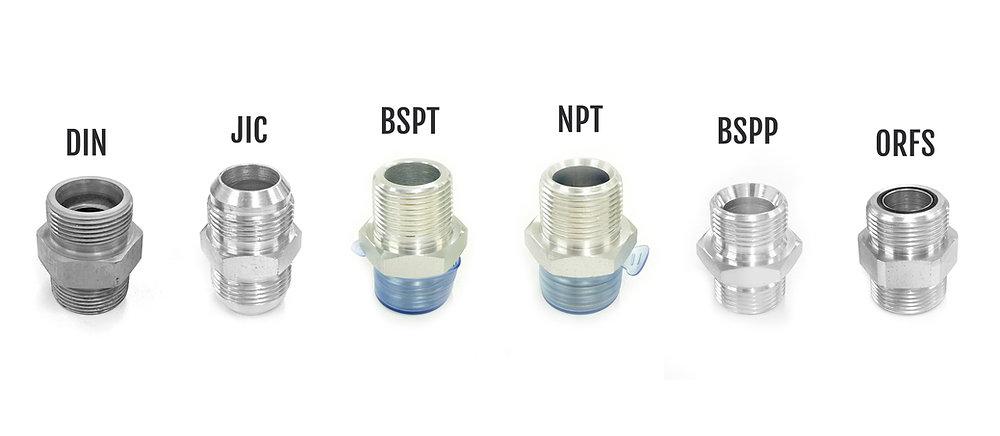
6. Hose Fitting and Connection Requirements
A custom hose is not complete without the correct fittings. Connection details should be provided clearly to avoid installation problems.
Important fitting information includes:
- Fitting type
- Thread size
- Connection standard
- Material requirements
- Fitting orientation
- Crimping requirements
Common connection standards may vary depending on the industry and region. Examples include metric, SAE, BSP, and other fitting systems.
You should also provide a drawing or sample assembly if the hose requires special routing or multiple angled fittings.
7. Material and Performance Requirements
Different applications require different hose construction materials. When ordering custom hoses, discuss your performance expectations with the manufacturer.
Consider:
- Flexibility requirements
- Abrasion resistance
- UV resistance
- Oil resistance
- Chemical resistance
- Flame resistance
- Weight limitations
For demanding environments, additional protection such as covers, sleeves, or protective layers may be required.
A reliable supplier will help balance performance requirements with cost considerations to create a practical solution.
8. Certification and Industry Standards
Some industries require hoses to meet specific standards or certifications. If your application has regulatory requirements, provide this information before production.
Examples include:
- Hydraulic industry standards
- Food processing requirements
- Automotive specifications
- Industrial safety requirements
- Customer-specific quality standards
Sharing certification needs early helps manufacturers select appropriate materials and testing procedures.
9. Quantity and Production Requirements
The order quantity can influence manufacturing methods, lead time, and pricing.
Provide:
- Required quantity
- Prototype requirements
- Production schedule
- Future demand expectations
For one-time projects, a small custom order may be needed. For industrial production, manufacturers may need to plan consistent supply and quality control procedures.
Clear communication about quantity helps suppliers prepare the right production strategy.
10. Drawings, Samples, or Existing Hose Information
If possible, provide additional references such as:
- Technical drawings
- Photos
- Existing hose samples
- Equipment manuals
- Installation diagrams
Visual information can help manufacturers understand complex requirements more quickly.
A sample hose can provide useful details about dimensions, fittings, routing, and construction. However, additional information is still necessary because the original hose may not always represent the latest performance requirements.
Why Accurate Information Matters When Ordering Custom Hoses
Custom hoses are engineered components, not simple replacement parts. Their performance depends on many factors working together, including material selection, dimensions, pressure capability, temperature resistance, and connection design.
Providing complete specifications helps:
- Reduce production errors
- Improve installation compatibility
- Extend hose service life
- Increase system reliability
- Avoid unnecessary replacement costs
A professional hose manufacturer can use your information to recommend the most suitable solution rather than relying on assumptions.
Conclusion
Ordering custom hoses requires more than choosing a size and length. Customers should provide detailed information about application conditions, fluid type, dimensions, pressure, temperature, fittings, materials, certifications, and production requirements.
The more accurate the information provided, the easier it is for manufacturers to create a hose that delivers reliable performance. Working with experienced suppliers like Utigoflex can help ensure that custom hose solutions are designed according to real operating conditions and customer needs.
Before placing a custom hose order, preparing complete technical details will save time, improve product quality, and support safer and more efficient operations.
[Contact Utigoflex Today] to request a specialized quote or download our complete technical assembly catalog.

