
You are here: Home1 / Blog2 / Product Knowledge3 / Best Practices for Rubber Hose Cleaning and Maintenance
Best Practices for Cleaning and Maintaining Rubber Hoses
Rubber hoses are workhorses in countless industries—from agriculture and construction to chemical processing and hydraulics. Yet they are often neglected until a leak or burst shuts down operations. With proper cleaning and maintenance, you can extend hose life, reduce downtime, and avoid costly replacements. Here are the best practices every operator should follow—and how Utigoflex supports you with durable, easy-to-maintain hoses.
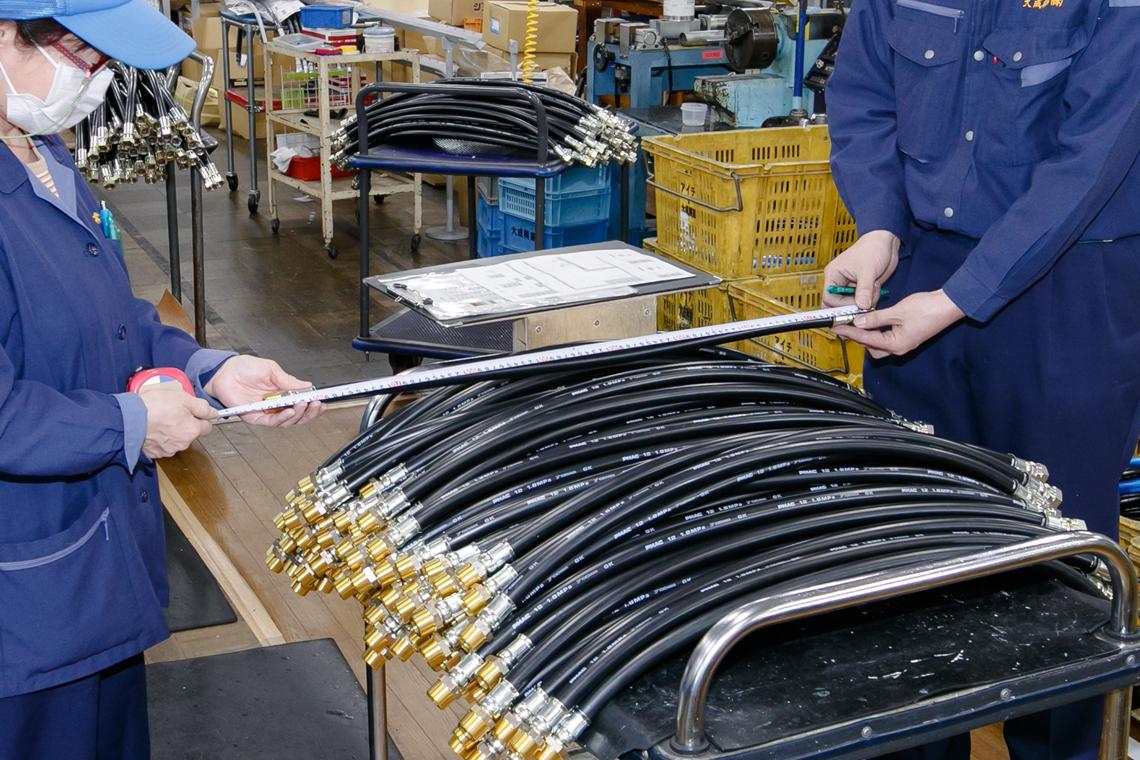
1. Regular Visual Inspection – Catch Problems Early
Before cleaning, inspect your hose thoroughly:
- Check the outer cover for cuts, abrasions, cracks, or swelling.
- Examine fittings for rust, damage, or signs of leakage.
- Look for kinks or flattening – these indicate internal damage.
- Feel for soft spots – they may mean the reinforcement is broken.
Utigoflex tip: Our hoses have color-coded covers and clear markings, making defects easier to spot during routine walk-rounds.
2. Cleaning the Exterior – Keep Dirt from Damaging the Cover
Dirt and chemicals left on the surface can degrade rubber over time.
What to do:
- Use a soft brush or cloth with mild soap and warm water.
- Rinse thoroughly with clean water.
- Dry with a clean cloth or allow to air dry away from direct sunlight.
What to avoid:
- Never use harsh solvents, petroleum-based cleaners, or abrasive pads – they attack rubber compounds.
- Do not use high-pressure washers directly on the cover – they can force water into reinforcement layers.
Utigoflex advantage: Our hoses feature weather- and chemical-resistant covers that withstand routine cleaning without cracking.
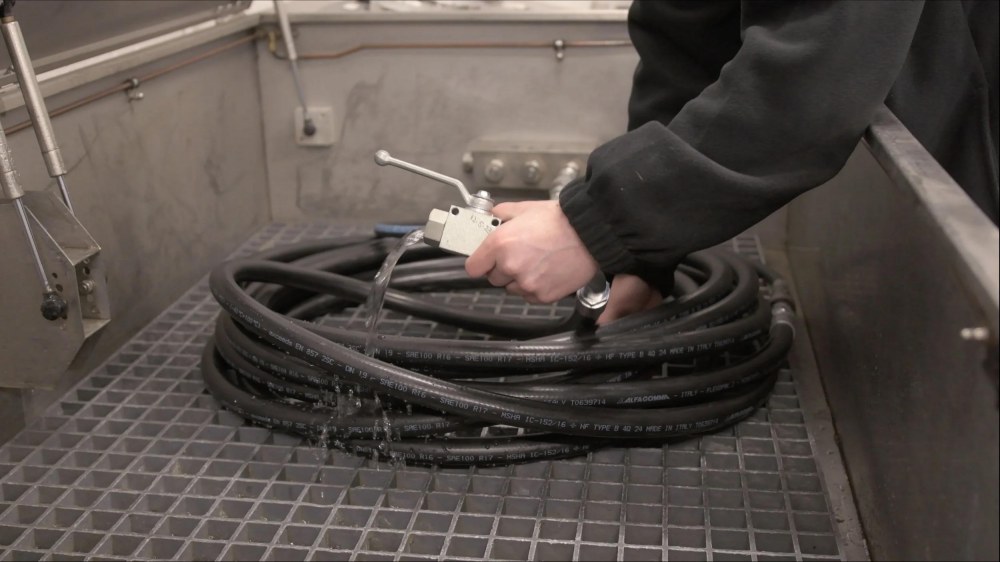
3. Internal Flushing – Remove Residue and Contaminants
For hoses that carry fluids, internal residue can harden, corrode, or react with new media.
Best practice:
- Flush with a compatible cleaning solution (warm water and mild detergent, or a designated hose-cleaning fluid).
- Follow with a clean-water rinse.
- For food-grade or chemical hoses, use only approved sanitizers.
- Important: Always depressurize the system before flushing. Never use volatile solvents – they can ignite or damage the tube.
Utigoflex recommendation: We provide compatibility charts for all tube materials (NBR, EPDM, PTFE) so you can select safe cleaning agents.
4. Proper Storage – Protect When Not in Use
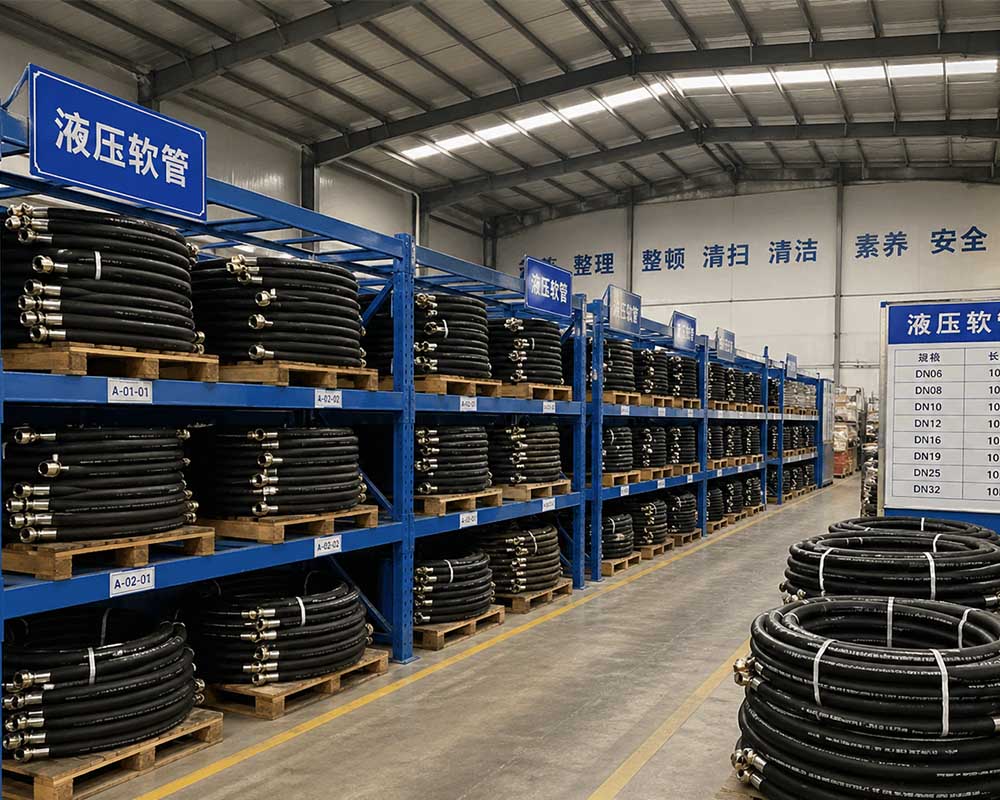
Storage conditions directly affect rubber lifespan.
DO:
- Store indoors, away from direct sunlight, ozone sources (electric motors, welding equipment), and extreme heat.
- Hang hoses on large-diameter racks or store them coiled flat – avoid sharp bends.
- Keep them off floors to prevent oil and chemical contamination.
DON’T:
- Store near electrical equipment that generates ozone.
- Stack heavy objects on top of hoses – they can deform the tube.
Utigoflex solution: Our hoses are formulated with anti-ozone additives, extending shelf life even in less-than-perfect storage.
5. Handling and Operation – Prevent Physical Damage
Good handling habits prevent many failures.
- Avoid dragging hoses over rough surfaces – use rollers or carry them.
- Never exceed the minimum bend radius – bending too sharply kinks the reinforcement.
- Prevent twisting – twist reduces pressure capacity and accelerates wear.
- Use protective sleeving in high abrasion areas (around sharp edges or moving parts).
- Install hose clamps to reduce vibration and chafing.
Utigoflex support: We offer spiral guards, nylon sleeves, and pre formed bend restrictors for our hoses.
6. Keep Records – Track Service Life
Maintain a simple log for each hose: installation date, operating hours, pressure cycles, and any repairs. This helps you schedule preventive replacements before failure occurs.
7. When to Replace – Don’t Wait for Failure
Replace a rubber hose if you see:
- Deep cracks or exposed reinforcement.
- Swelling, softening, or blistering.
- Fittings that are loose or corroded.
- Visible leaks or stains at fittings.
- A stiff, hardened feel – the rubber has aged.
Utigoflex guarantee: We offer replacement hoses in standard and custom lengths, ready for fast delivery.
Conclusion
Rubber hoses are not “fit and forget” components. Regular inspection, proper cleaning, correct storage, and careful handling can double or triple their service life. A few minutes of maintenance each week saves hours of downtime and thousands in repair costs.
Build Your Safe Systems with Utigoflex
Utigoflex engineers hoses that are built to last – with robust covers, chemical-resistant tubes, and clear maintenance guidelines. We also provide protective accessories and expert advice to keep your lines running safely.
[Contact Utigoflex Today] to request a specialized quote or download our complete technical assembly catalog.

