
You are here: Home1 / Blog2 / Product Knowledge3 / What Is a Food Grade Hose? Standards and Selection Guide
What Is a Food Grade Hose? Standards and Selection Guide
In food and beverage processing, pharmaceutical manufacturing, and cosmetic production, the hoses used are not ordinary industrial hoses. They must meet strict safety, hygiene, and regulatory standards to prevent contamination and protect consumer health. A food grade hose is specifically engineered for the safe transfer of consumable products—whether it is milk in a dairy plant, beer in a brewery, or syrup in a confectionery factory. This guide explains what makes a hose food grade, the key standards to look for, and how to select the right one—with solutions from Utigoflex.
1. What Makes a Hose “Food Grade”?
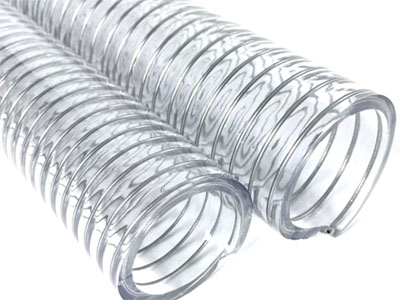
A food grade hose is not simply a “cleaner” hose. It is built from materials that are non-toxic, odorless, and resistant to contamination. Key features include:
- Smooth inner surfaces that prevent bacterial buildup and make cleaning easier
- Odor and taste neutrality to ensure no transfer of smells or flavors to delicate products like wine or dairy
- Compatibility with CIP (Clean-In-Place) and SIP (Steam-In-Place) cleaning systems
- Resistance to repeated sanitation cycles, including steam sterilization
Standard industrial hoses, by contrast, often contain plasticizers, stabilizers, and other additives never formulated with food contact in mind—and they can leach harmful substances into food products over time.
2. Key Certifications and Standards to Check
Before purchasing a food grade hose, verify it meets the relevant regulatory standards. The most important include:
| Standard | Region | What It Covers |
| FDA 21 CFR 177.2600 | USA | Rubber and rubber-like materials safe for food contact |
| FDA 21 CFR 175.300 | USA | PVC materials for food contact |
| EC 1935/2004 | EU | Fundamental regulation for materials in contact with food |
| EU 10/2011 | EU | Plastic materials intended for food contact |
| NSF/ANSI 51 | Global | Food equipment materials—non-toxicity, durability, cleanability |
| 3-A Sanitary Standards | USA | Sanitary design for dairy and food processing equipment |
Utigoflex advantage: Utigoflex offers hoses compliant with FDA, CE, REACH, standards. Our PVC food hoses have passed FDA 21 CFR 175.300 (SGS), and our food-grade rubber hoses have passed FDA 21 CFR 177.2600 (SGS).
3. Common Food Grade Hose Materials
Different applications require different materials. Here is a breakdown of the most common options:
| Material | Temperature Range | Best For | Limitations |
| PVC | -15°C to 60°C | Low-temperature water, beverages, general transfer | Not heat-resistant, oil-resistant, or steam-sterilizable |
| NBR Rubber | -20°C to +120°C | Oils, fats, greases, animal and vegetable oils | Poor ozone and weather resistance |
| Silicone | -60°C to 200°C | Premium food, pharmaceuticals, high-temperature, steam sterilization | Higher cost |
| PTFE | Up to 260°C | Aggressive chemicals, acidic or fatty foods | Less flexible, higher cost |
| Polyurethane (PU) | -40°C to +90°C | Fatty foods, milk powders, dry ingredients | Moderate chemical resistance |
Utigoflex offering: Utigoflex supplies food-grade hoses in PVC, rubber and silicone, with options for steel wire or textile reinforcement. Our food-grade rubber hose is highly resistant to animal fat and vegetable oils, highly flexible, and odor-neutral.
4. How to Select the Right Food Grade Hose – A Step-by-Step Guide
Step 1: Identify the product to be transferred
Is it liquid, viscous, or abrasive? Does it contain oils, acids, or alcohol?
Step 2: Determine operating temperature and pressure
High temperatures reduce pressure capacity—always check manufacturer derating charts.
Step 3: Choose the right material
Match the hose material to your media (see table above).
Step 4: Verify certifications
Ensure the hose meets FDA, EU, NSF, or 3-A standards as required for your market.
Step 5: Consider cleaning requirements
Will the hose be cleaned with CIP, SIP, or steam? Choose a material that withstands your sanitation cycle.
Step 6: Check mechanical performance
Flexibility, bend radius, vacuum resistance, and fitting compatibility all matter for reliable operation.
Utigoflex support: Utigoflex offers OEM/ODM services with custom inner diameters, lengths, colors, and private labeling. Our team provides expert guidance to help you select the right hose for your specific application.
5. Common Applications for Food Grade Hoses
- Dairy processing: Milk, cream, yogurt—requires odor-neutral, steam-resistant hoses
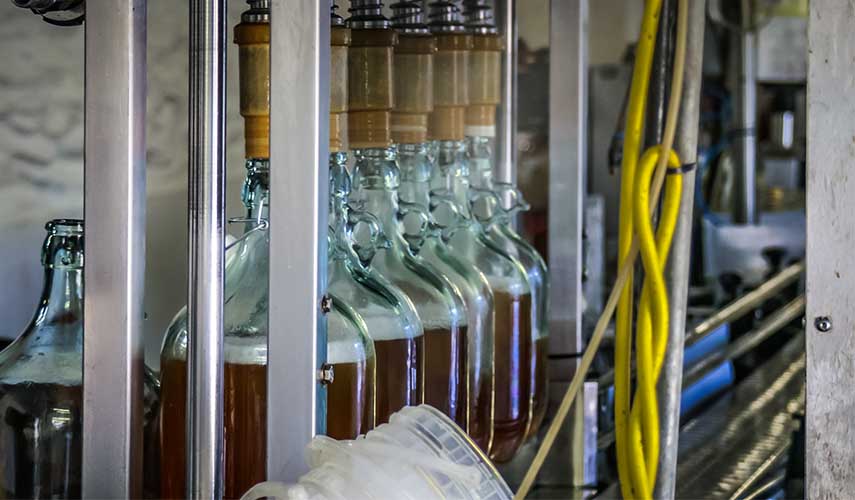
- Beverage bottling: Soft drinks, juices, wine—needs non-taint linings
- Breweries and distilleries: Alcohol transfer, fermentation—resists ethanol and flavor contamination
- Syrup and sugar transfer: Viscous liquids—requires smooth, non-stick inner surfaces
- Pharmaceutical and cosmetic: High-purity transfer—demands USP and FDA compliance
Conclusion
A food grade hose is not an ordinary industrial hose. It is a specialized product engineered for safety, hygiene, and regulatory compliance. From material selection to certification verification, every step matters—because the cost of contamination is far higher than the cost of the right hose.
Build Your Safe Systems with Utigoflex
Utigoflex offers a comprehensive range of food-grade hoses in PVC, rubber (NBR), and silicone, all compliant with FDA, CE, and REACH standards. With custom sizing, odor-neutral linings, and expert support, Utigoflex helps you transfer food products safely and efficiently. Choose Utigoflex—and protect what matters most.
[Contact Utigoflex Today] to request a specialized quote or download our complete technical assembly catalog.

