
You are here: Home1 / Blog2 / Product Knowledge3 / PVC vs PU vs Rubber Hose: Differences & Applications
Differences and Application Scenarios of PVC, PU, and Rubber Hose
When selecting a hose for industrial, commercial, or even everyday use, the material choice is one of the most critical decisions. Three of the most common options—PVC (polyvinyl chloride), PU (polyurethane), and rubber—each offer distinct advantages and limitations. Understanding their differences is key to choosing the right hose for the right job.
PVC Hose: The Cost-Effective All-Rounder
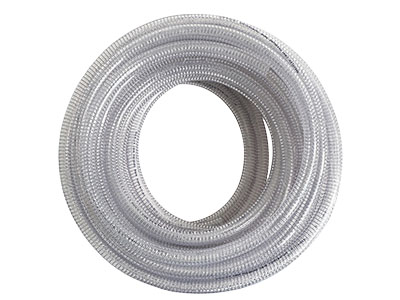
PVC hoses are made from polyvinyl chloride through an extrusion process. They are widely used because they are inexpensive, versatile, and offer good resistance to acids, alkalis, and mildly corrosive liquids. PVC hoses are lightweight and easy to handle, making them user-friendly for general-purpose applications.
However, PVC has notable drawbacks. Its temperature resistance and abrasion resistance are significantly inferior to those of PU. Over time, plasticizers can migrate out of flexible PVC, causing the material to become brittle and potentially fail prematurely. PVC is also not suitable for use with solvents such as aromatics, esters, ketones, or chlorinated hydrocarbons.
Best for: Light-duty air and water lines, garden hoses, drainage, ventilation systems, dust collection, and general-purpose applications where cost is a primary concern and conditions are not too demanding.
PU Hose: The High-Performance Lightweight
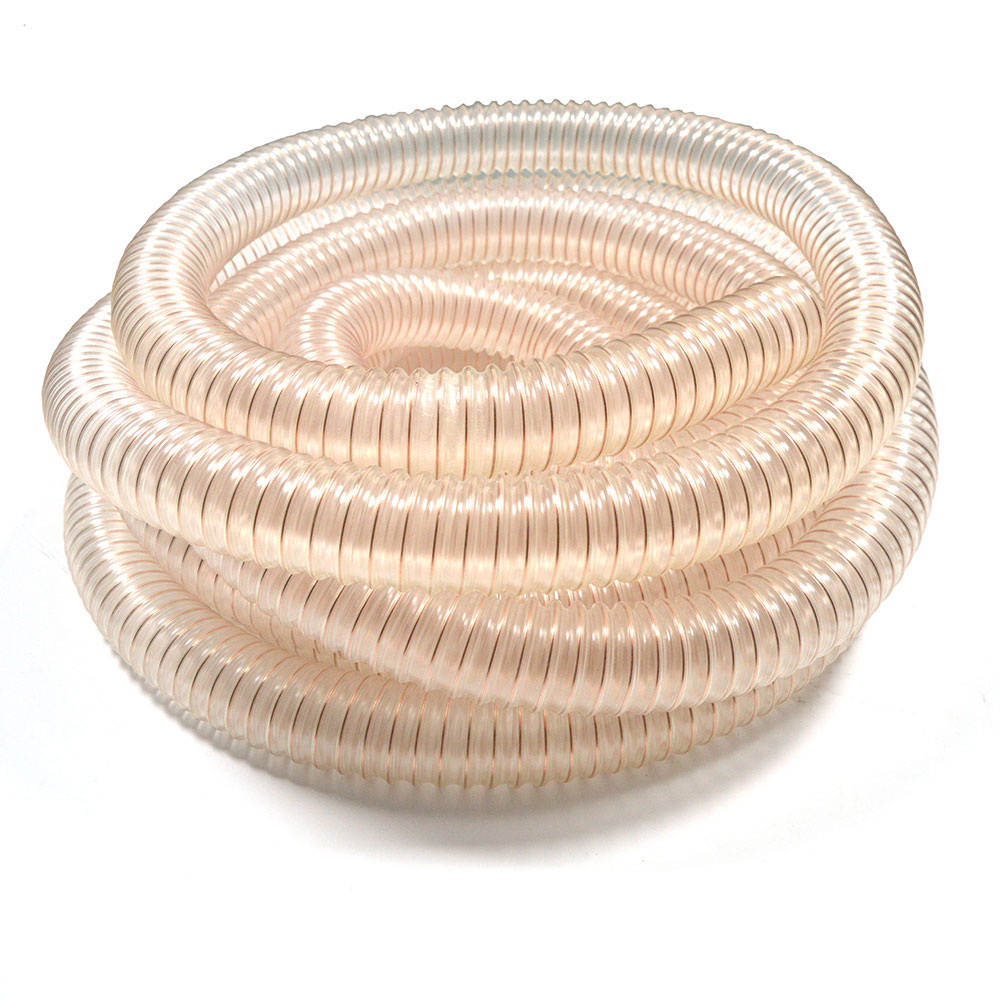
PU hoses are made from polyurethane, a material known for its exceptional flexibility, strength, and abrasion resistance. Unlike PVC, PU is free of plasticizers, so it does not become brittle over time. Many PU hoses are transparent, allowing visual monitoring of material flow.
PU outperforms PVC and even rubber in several key areas. Its abrasion resistance is measurably better than that of rubber and soft PVC. PU hoses can last four to five times longer than PVC hoses in the same application. They are also lighter than rubber hoses, making them easier to handle and transport, and they offer excellent flexibility with a small bending radius.
Best for: Pneumatic tools and equipment, automation and robotics, material handling, industrial ventilation, fume extraction, and applications requiring frequent movement and bending.
Rubber Hose: The Heavy-Duty Workhorse
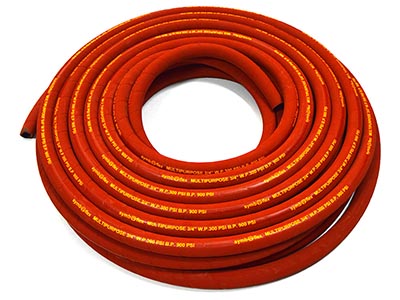
Rubber hoses are the traditional choice for demanding industrial applications. They are made from various rubber compounds—including EPDM, nitrile, neoprene, and natural rubber—each formulated for specific conditions. Rubber hoses can withstand high temperatures and resist chemicals that would quickly break down other materials.
The natural flexibility of rubber allows it to adapt to movement and pressure without cracking or losing function. Rubber hoses are highly durable and have a long service life, reducing the need for frequent replacements and contributing to less downtime. They also offer excellent resistance to oils, ozone, and oxidation.
However, rubber hoses are heavier than PVC or PU and can leave black stains on surfaces. They also tend to be more expensive than PVC.
Best for: High-pressure hydraulic systems, steam applications, chemical transfer, mining, construction, and other heavy-duty industrial environments where durability and temperature/chemical resistance are paramount.
Comparison at a Glance
| Feature | PVC | PU | Rubber |
| Cost | Lowest | Moderate | Highest |
| Weight | Light | Light | Heavy |
| Flexibility | Moderate | Excellent | Excellent |
| Abrasion Resistance | Poor | Excellent | Good |
| Temperature Range | 0 to +60°C | -40 to +70°C | Varies by compound (EPDM: -40 to +120°C) |
| Chemical Resistance | Good (acids/alkalis) | Good (oils/fuels) | Excellent (wide range) |
| UV Resistance | Poor | Good | Varies (EPDM is excellent) |
| Best Use Case | Light-duty, cost-sensitive | Dynamic, wear-intensive | Heavy-duty, high-temp, chemical |
Utigoflex: Your One-Stop Provider of Fluid Power Connections
Selecting the appropriate hose material is only the first step. Ensuring consistent quality and reliable performance requires working with an experienced manufacturer.
Utigoflex offers a wide range of PVC, PU, and rubber hose solutions designed for industrial, agricultural, construction, and hydraulic applications. With over 16 years of manufacturing experience, certified quality management systems, and customization support, Utigoflex helps customers source hose products that match their performance and operational requirements.
Utigoflex: Your One-Stop Provider of Fluid Power Connections
Selecting the appropriate hose material is only the first step. Ensuring consistent quality and reliable performance requires working with an experienced manufacturer.
Utigoflex offers a wide range of PVC, PU, and rubber hose solutions designed for industrial, agricultural, construction, and hydraulic applications. With over 16 years of manufacturing experience, certified quality management systems, and customization support, Utigoflex helps customers source hose products that match their performance and operational requirements.
Conclusion
PVC, PU, and rubber hoses each offer unique advantages. PVC is ideal for cost-sensitive applications, PU excels in flexibility and abrasion resistance, while rubber remains the preferred choice for demanding industrial environments involving high temperatures, pressure, or chemicals.
Selecting the right hose depends on your operating conditions, media type, and performance requirements.
Need help choosing the right hose material?
Contact Utigoflex for expert recommendations and customized hose solutions tailored to your application.
[Contact Utigoflex Today] to request a specialized quote or download our complete technical assembly catalog.

