
TPR Air Duct vs PVC Air Duct
Which One Is Right for Your Industrial Applications?
Choosing the right air duct material is an important decision for industrial ventilation, air extraction, and air transportation systems. The duct must be able to handle the required airflow while withstanding the temperature, mechanical stress, chemicals, and environmental conditions of the application.
Among the flexible ducting materials available today, TPR air duct and PVC air duct are two options commonly considered for industrial applications. Both materials can provide flexibility and convenient installation, but their performance characteristics are not identical.
So, which one is right for your application? The answer depends on the working environment, temperature, flexibility requirements, abrasion exposure, and overall system design.
What Is a TPR Air Duct?
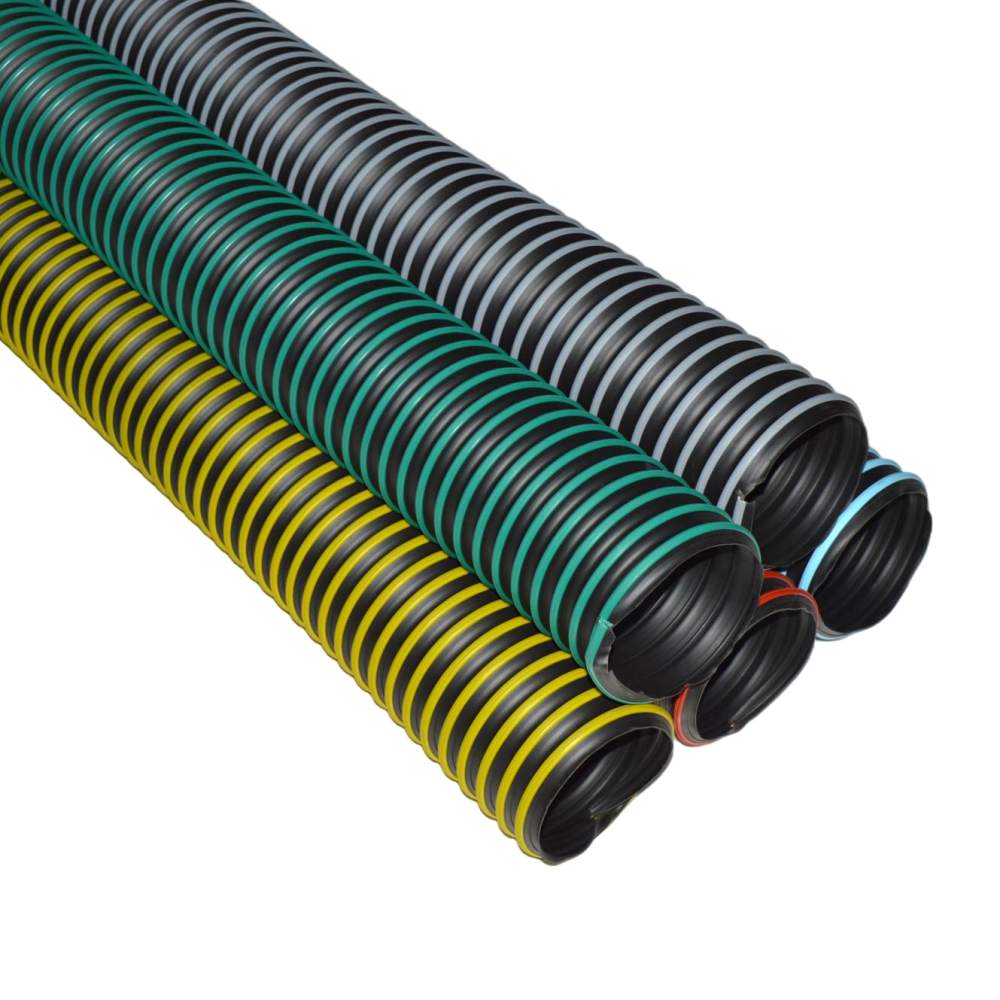
TPR stands for thermoplastic rubber. TPR combines rubber-like flexibility with the processing advantages of thermoplastic materials. Depending on its formulation and construction, TPR can provide a useful balance of flexibility, durability, and resistance to mechanical wear.
TPR flexible air ducts can be designed for applications involving air movement, ventilation, extraction, and industrial equipment connections. Their flexibility makes them easier to route around machinery, bends, and confined installation spaces.
Another advantage of TPR is its ability to maintain useful flexibility under a range of operating conditions. This can be particularly valuable when ducting needs to be moved, repositioned, compressed, or repeatedly bent during operation.
For industrial users evaluating flexible ducting solutions, Utigoflex provides options designed to meet different air-transport and industrial ventilation requirements.
What Is a PVC Air Duct?
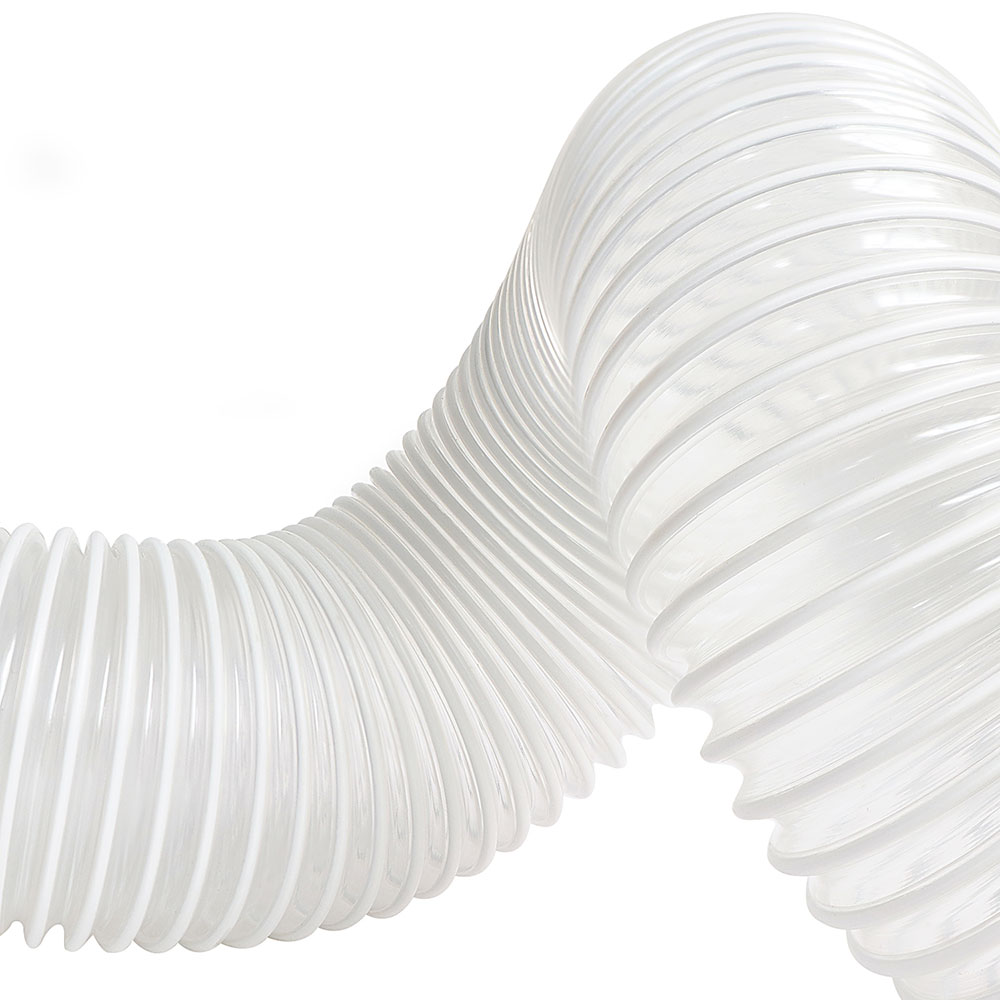
PVC, or polyvinyl chloride, is one of the most widely used thermoplastic materials for flexible ducting. PVC air ducts are available in various constructions, wall thicknesses, diameters, and reinforcement designs.
A typical flexible PVC duct may consist of a PVC wall supported by a helical reinforcement, which helps the duct maintain its shape while allowing it to bend. Depending on the design, PVC ducting can be used for ventilation, air extraction, dust collection, and other general industrial applications.
One of the main advantages of PVC is its versatility and relatively cost-effective manufacturing. PVC can also provide good resistance to moisture and many commonly encountered chemicals, although actual compatibility depends on the specific formulation and exposure conditions.
TPR vs PVC Air Duct: Key Differences
TPR and PVC air ducts can both be used for industrial ventilation and air extraction, but their performance characteristics differ in several key areas.
| Key Factor | TPR Air Duct | PVC Air Duct |
|---|---|---|
| Flexibility | Excellent flexibility; suitable for frequent bending and movement | Good flexibility; may become stiffer at low temperatures |
| Temperature Performance | Suitable for a wider range of conditions depending on the formulation | Generally suited to moderate-temperature applications |
| Abrasion Resistance | Good resistance to repeated movement and mechanical wear | Good abrasion resistance, depending on construction |
| Weight & Handling | Lightweight options with good flexibility and durability | Lightweight, easy to handle, and generally more cost-effective |
| Best For | Frequent movement, repeated bending, and demanding handling conditions | General ventilation, air extraction, and cost-sensitive applications |
In simple terms: TPR is generally a better choice when flexibility and repeated movement are priorities, while PVC is often preferred for general-purpose applications and cost efficiency.
Actual performance depends on the specific material formulation, wall thickness, reinforcement, and operating conditions. Always check the manufacturer’s technical specifications before selection.
Common Applications of TPR Air Ducts
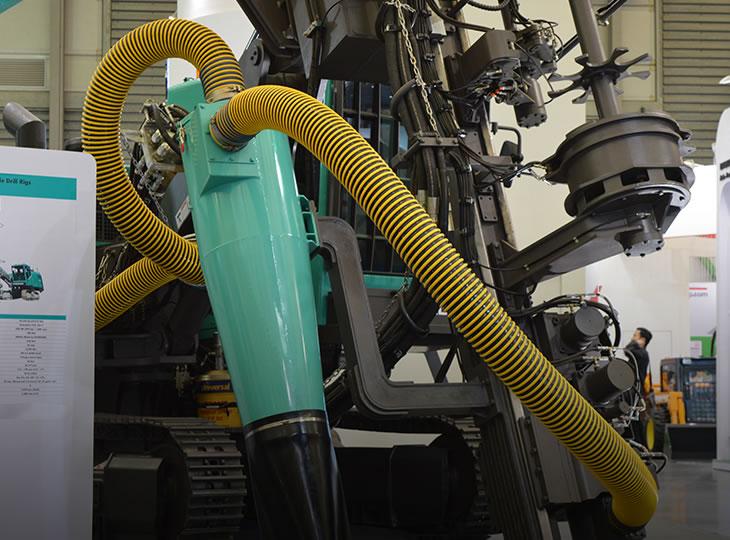
TPR flexible air ducts may be considered for applications such as:
- Industrial ventilation
- Air extraction systems
- Machinery ventilation
- Air circulation
- Flexible connections between equipment
- Dust and particulate extraction, where the specific duct is rated for the application
- Applications requiring frequent bending or movement
Their flexibility and mechanical characteristics can make them particularly useful in installations where rigid ducting would be difficult to route.
Common Applications of PVC Air Ducts
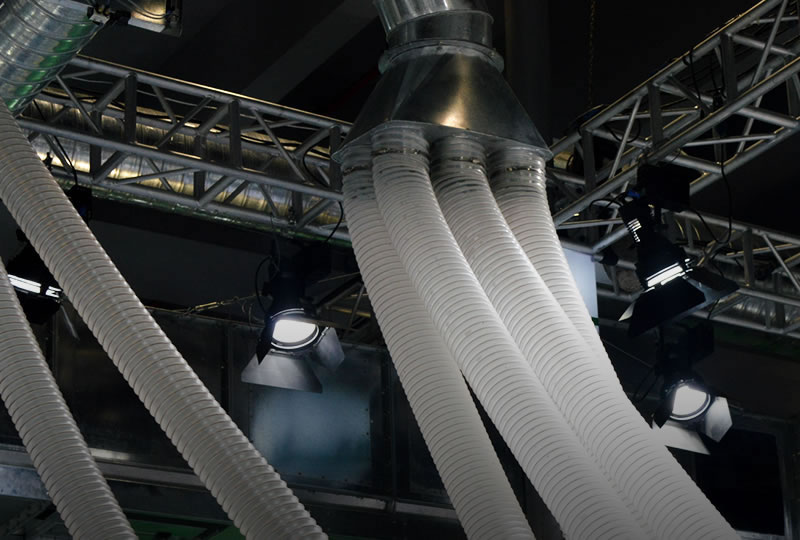
PVC air ducts are widely used in applications including:
- General industrial ventilation
- Air extraction
- Workshop ventilation
- Dust collection, when the selected product is suitable
- Fume and vapor extraction, subject to chemical compatibility
- Portable ventilation equipment
- Flexible connections in ventilation systems
PVC is often attractive for general-purpose applications where cost efficiency, flexibility, and resistance to moisture are important considerations.
Which Air Duct Should You Choose?
There is no universal answer to whether TPR or PVC is better. The correct choice depends on the actual operating conditions.
TPR may be the better option when:
- High flexibility is important.
- The duct will be frequently moved or bent.
- Good mechanical durability is required.
- The application involves repeated flexing.
- A rubber-like flexible duct construction is preferred.
PVC may be the better option when:
- Cost efficiency is a major consideration.
- The application involves general-purpose air movement.
- Good moisture resistance is required.
- The operating temperature is within the PVC duct’s specified range.
- A wide range of sizes and constructions is needed.
Conclusion
TPR and PVC air ducts can both be effective for industrial ventilation and air extraction, but they are suited to different requirements. TPR is generally a better choice for applications requiring high flexibility, repeated movement, and mechanical durability, while PVC is a practical and cost-effective option for general-purpose air handling.
The right choice ultimately depends on your temperature, airflow, pressure or vacuum, chemical exposure, abrasion, and flexibility requirements.
Need Help Choosing the Right Air Duct?
Utigoflex supplies flexible industrial air ducts in different materials and constructions to meet a wide range of ventilation, air extraction, and equipment connection requirements. We can help you select the right combination of material, diameter, reinforcement, and performance for your application.
[Contact Utigoflex Today] to request a specialized quote and get a suitable, cost-effective air duct solution for your application.
