
EPDM vs NBR Rubber Hose: Which Is Better?
When selecting a rubber hose for industrial applications, one of the most common questions procurement managers and engineers face is: EPDM or NBR? The short answer is that neither is universally “better”—the right choice depends entirely on your specific application, the media being conveyed, and the operating environment.
This guide breaks down the key differences between EPDM and NBR rubber hoses, helping you make an informed decision that maximizes performance, safety, and service life.
What Is EPDM Rubber Hose?
EPDM (Ethylene Propylene Diene Monomer) is a synthetic rubber known for its outstanding resistance to heat, ozone, UV radiation, and weathering. The single-bond molecular structure of EPDM means the material cannot be broken down the same way as natural rubber, making it exceptionally durable in outdoor and high-temperature environments.
Key Properties of EPDM
| Property | EPDM Performance |
| Temperature Range | -50°C to +150°C (some grades up to +200°C) |
| Ozone & UV Resistance | ✅ Excellent |
| Weathering Resistance | ✅ Excellent |
| Oil & Fuel Resistance | ❌ Poor – will degrade on contact |
| Water & Steam Resistance | ✅ Excellent |
| Chemical Resistance | Good with polar chemicals, mild acids, alkalis, ketones, alcohols |
| Flexibility | Maintained even at low temperatures |
Best Applications for EPDM Hoses
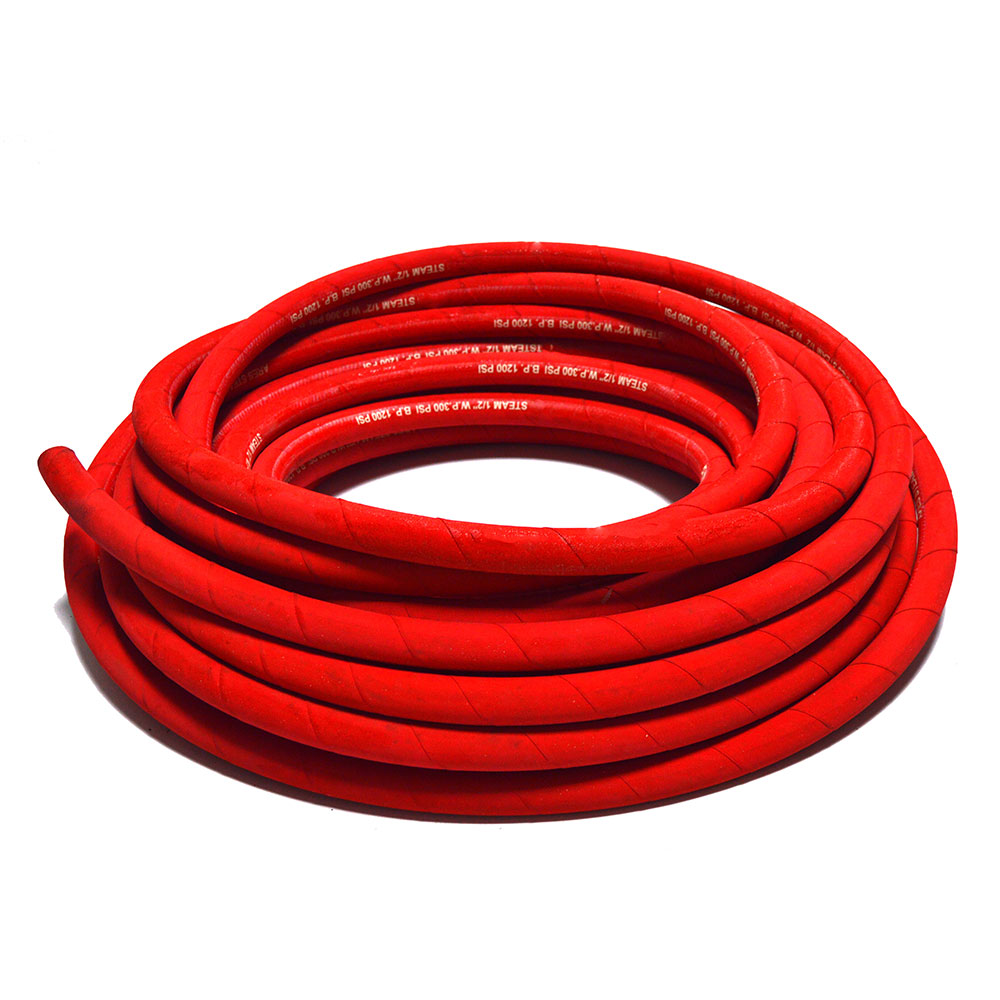
EPDM hoses excel in applications involving water, steam, coolant, and outdoor exposure. Common uses include:
- Steam transfer – EPDM can handle steam cleaning up to 130°C
- Hot water and coolant systems – Engine cooling, HVAC systems
- Outdoor installations – Excellent weather and UV resistance
- Chemical transfer – Compatible with ketones, alcohols, and mild acids
- Food and beverage processing – FDA-compliant grades available
EPDM is not suitable for petroleum-based oils, fuels, or hydrocarbons—exposure will cause the material to break down.
What Is NBR Rubber Hose?
NBR (Nitrile Butadiene Rubber), also known as Buna-N, is a synthetic rubber copolymer of acrylonitrile and butadiene. It is prized for its exceptional resistance to petroleum-based oils, fuels, and many chemicals. The acrylonitrile content typically ranges from 15% to 50%—higher content offers greater oil resistance, while lower content provides better low-temperature flexibility.
Key Properties of NBR
| Property | NBR Performance |
| Temperature Range | -40°C to +120°C (some grades up to +150°C) |
| Ozone & UV Resistance | ❌ Poor – requires protection from environmental exposure |
| Weathering Resistance | ❌ Poor – not suitable for prolonged outdoor use |
| Oil & Fuel Resistance | ✅ Excellent – petroleum-based oils, diesel, gasoline, hydraulic fluids |
| Abrasion Resistance | ✅ Good – 3x more resistant to lesions than natural rubber |
| Chemical Resistance | Good with oils, fuels, and many solvents |
Best Applications for NBR Hoses
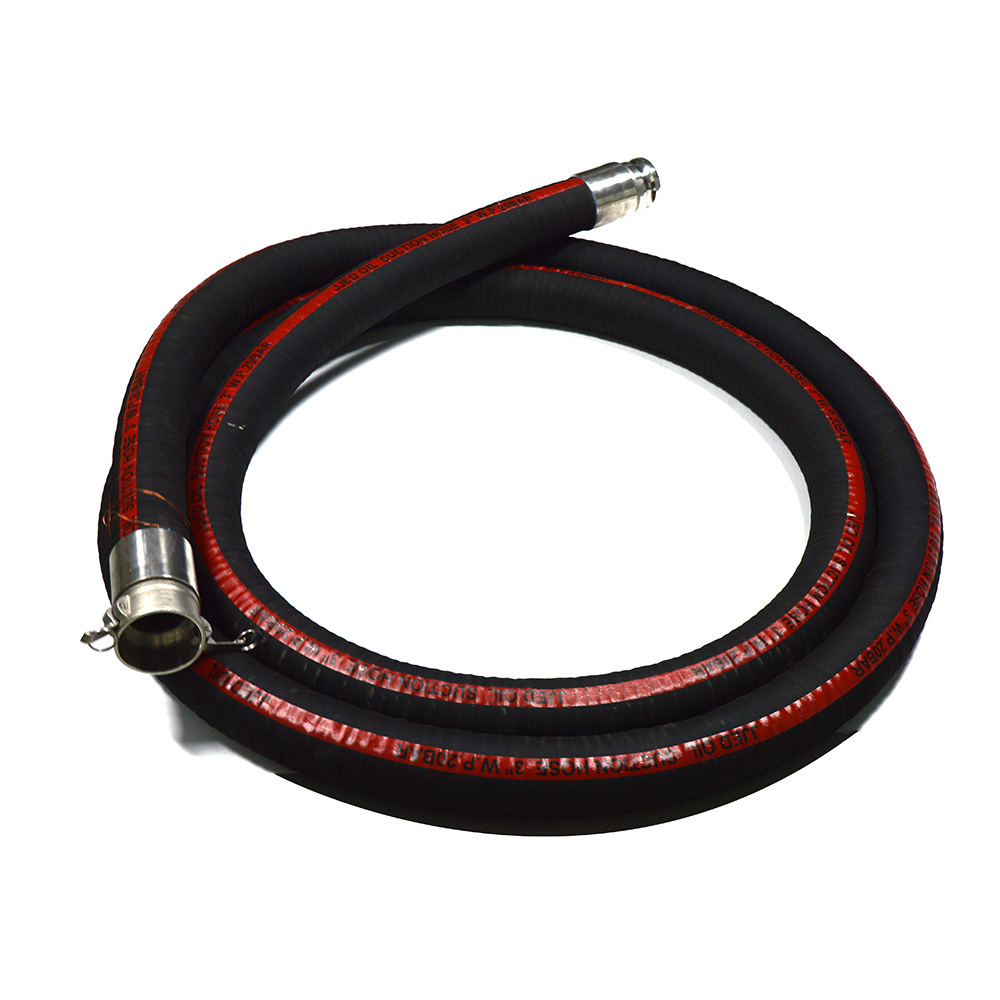
NBR hoses are the go-to choice for any application involving petroleum products, oils, and fuels. Common uses include:
- Fuel transfer – Gasoline, diesel, kerosene
- Hydraulic systems – Petroleum-based hydraulic fluids
- Oil transfer – Lubricating oils, mineral oils
- Automotive applications – Fuel lines, brake systems
- Industrial oil handling – Petrochemical processing
NBR is not suitable for applications involving ozone exposure, prolonged weathering, or ketones. It also has a lower temperature ceiling than EPDM.
EPDM vs NBR: Side-by-Side Comparison
| Feature | EPDM | NBR |
| Temperature Range | -50°C to +150°C | -40°C to +120°C |
| Oil & Fuel Resistance | ❌ Poor | ✅ Excellent |
| Ozone & Weather Resistance | ✅ Excellent | ❌ Poor |
| Steam & Water Resistance | ✅ Excellent | ⚠️ Moderate |
| Abrasion Resistance | ⚠️ Fair | ✅ Good |
| Chemical Compatibility | Ketones, alcohols, acids | Oils, fuels, solvents |
| Typical Hardness (Shore A) | ~60° | ~70° |
| Best For | Water, steam, coolant, outdoor | Fuel, oil, hydraulic fluids |
How to Choose: EPDM or NBR?
The decision comes down to three key questions:
1. What media are you transferring?
Water, steam, coolant, or air? → Choose EPDM
Oil, fuel, or hydraulic fluid? → Choose NBR
2. What is the operating environment?
Outdoor, UV exposure, or ozone-rich? → Choose EPDM
Indoor or protected environment? → NBR can work
3. What is the temperature range?
High temperatures (above 120°C) or steam? → Choose EPDM
Moderate temperatures with oil exposure? → Choose NBR
Conclusion
So, which is better—EPDM or NBR? The answer depends entirely on your application.
Choose EPDM for water, steam, coolant, and outdoor applications where weather resistance and high-temperature performance are critical.
Choose NBR for oil, fuel, and hydraulic fluid transfer where petroleum resistance is paramount.
Get the Right Rubber Hose Solution for Your Application
Not sure whether EPDM or NBR is the right choice? Our hose specialists can help you select the ideal rubber compound based on your pressure, temperature, and media requirements.
[Contact Utigoflex Today] to discuss your project and receive a customized rubber hose solution.

