
• Facebook
  • Youtube
  • Instagram
  • WhatsApp
Give us a call now: 13510833230
Utigoflex
  • Home
  • About Us
    • Certification
  • Product
    • Hydraulic Hose
      • Braided Steel Wire Hydraulic Hose
        • SAE 100 R1 / DIN EN 853 1SN
        • SAE 100 R2 AT / DIN EN 853 2SN
        • SAE 100 R5 Steel Wire Braided Hydraulic Hose
        • SAE 100 R16 Steel Wire Braided Hydraulic Hose
        • SAE 100 R17 Steel Wire Braided Hydraulic Hose
        • EN 857 1SC Steel Wire Braided Hydraulic Hose
        • EN 857 2SC Steel Wire Braided Hydraulic Hose
      • Spiraled Steel Wire Hydraulic Hose
        • SAE 100 R9 Steel Wire Spiraled Hydraulic Hose
        • SAE 100 R12 Steel Wire Spiraled Hydraulic Hose
        • SAE 100 R13 Steel Wire Spiraled Hydraulic Hose
        • SAE 100 R15 Steel Wire Spiraled Hydraulic Hose
        • EN 856 4SH Steel Wire Spiraled Hydraulic Hose
        • EN 856 4SP Steel Wire Spiraled Hydraulic Hose
      • Thermoplastic Hydraulic Hose
        • SAE 100 R7 Thermoplastic Hydraulic Hose
        • SAE 100 R8 Thermoplastic Hydraulic Hose
        • SAE 100 R14 Stainless Steel Wire Braided with PT
      • Braided Textile Hydraulic Hose
        • SAE 100 R3
        • SAE 100 R4 Textile Braided Hydraulic Hose
        • SAE 100 R6
        • EN 854 1TE/2TE/3TE Textile Braided Hydraulic Hose
    • Rubber Hose
      • EPDM Air & Water Hose
      • Chemical Suction & Discharge Hose
      • Steam Hose
      • Fuel & Diesel Delivery Hose
      • Fuel & Diesel Suction Hose
      • LPG/CNG Rubber Hose
      • Drilling Hose
      • Air Compressor Hose
      • High pressure Washing Hose
      • Marine High Pressure Oil Conveying Hose
      • Sand Blast Rubber Hose
      • Suction & Discharge Hose
      • Concrete Delivery Hose
      • Composite Hose
      • Food Grade Hose
      • EPDM Hot Water Hose
      • Stainless Steel Flexible Hose
    • PVC Hose
      • PVC Garden Hose
      • PVC Layflat Hose
      • Multi–Purpose PVC Air Hose – Matt Surface
      • Multi–Purpose PVC Air Hose – Shining Surface
      • Smooth Surface PVC Steel Wire Hose
      • PVC Fiber Hose
      • PVC High Pressure Spray Hose
      • PVC Corrugated Suction Hose
      • PVC Grit Hose
      • PVC Kink–Proof Suction Hose
      • PVC Interlocked Hose
      • Fuel Drop Hose
    • Industrial Hose
      • ANFO Explosive Loading Hose
      • Air Hose
      • Fuel & Oil Delivery Hose
      • Chemical Hose
      • Layflat Fire Hose
      • Welding Hose
      • High Pressure Spray Hose
      • PU Suction Hose
      • PU Anti Static Suction Hose
      • PU Step Hose
      • Polypropylene Drain Hose
    • Air Duct Hose
      • PU Air Duct
      • PU Air Duct With Black Strip
      • PVC Air Duct
      • TPR (TPE) Air Duct
      • TPR (TPE) Air Duct With Green Strip
      • Silicone Coated Glass Fiber Duct
      • Portable Ventilation Duct
      • Clamped High Temperature Duct
      • Clamped Polyester Duct
      • Clamped Tarpaulin Duct
      • EPDM Fume Exhaust Hose
    • Food Grade Hose
      • Food Grade Rubber Hose
      • Smooth Surface PVC Spiral Hose
      • Smooth Surface PVC Steel Wire Hose
      • PVC Fiber Hose
    • Pneumatic Hose
      • Nylon tubing
      • PU Pneumatic Hose
    • Hydraulic Fittings
    • Hose Camlocks
    • Hose Clamps
    • Crimping/Cutting Machine
      • Crimping Machine
      • Cutting Machine
    • Rubber Sheet
  • Services
    • Agriculture Hose Solution
    • Construction Hose Solution
    • Oil & Fuel Hose Solution
    • Chemical Industry Hose Solutions
    • Mining Hose Solution
    • Food Grade Hose Solution
  • Resources
    • Download Center
    • Blog
      • Product Knowledge
      • Company News
  • Contact Us
  • Search
  • Menu Menu
You are here: Home1 / Blog2 / Product Knowledge3 / How Often Should Hose Be Replaced?

How Often Should Hose Be Replaced?

Hoses are the lifelines of countless industrial systems—carrying hydraulic fluid, steam, chemicals, air, water, and abrasive materials under high pressure and extreme temperatures. But like all critical components, they have a finite service life. The question every maintenance manager, plant engineer, and procurement professional eventually faces is: How often should hoses be replaced?

The short answer is: it depends. But there are well-established guidelines, industry standards, and best practices that can help you make informed decisions—and avoid catastrophic failures, costly downtime, and safety incidents.

Why Hoses Don’t Last Forever

Even a hose sitting unused in a warehouse has an expiration date. According to SAE specifications, the shelf life of bulk rubber hose is 10 years from the date of manufacture, stored under controlled conditions—subdued light, stable temperature, and no fittings attached. Beyond that, even general ambient deterioration factors such as sunlight, moisture, and ozone will degrade the rubber over time.

Once a hose is installed and put into service, its life is influenced by a complex interplay of factors:

Factor Impact on Hose Life
Pressure Operating at or near maximum rated pressure accelerates fatigue; pressure spikes are especially damaging
Temperature Extreme heat hardens rubber; extreme cold makes it brittle. Wide temperature swings cause expansion and contraction that accelerates aging
Media Chemical incompatibility can degrade the inner tube from the inside out
Environment UV exposure, ozone, abrasion, dust, and corrosive substances all shorten service life
Installation Kinking, twisting, or improper routing dramatically reduces operational life
Duty Cycle Continuous operation, frequent flexing, and impulse cycling wear hoses faster than intermittent use

Industry Guidelines: What the Standards Say

While there is no single universal rule, several authoritative sources provide specific recommendations:

1. Komatsu (Heavy Equipment)

For safety-critical hydraulic hoses on heavy machinery, Komatsu recommends replacement every two years or 4,000 hours, whichever comes soonest.

2. German Social Accident Insurance (DGUV)

In industrial hydraulic systems, DGUV specifies replacement intervals that must be observed regardless of visible condition—because a hose that looks fine can still fail suddenly. One practical example: hydraulic hose lines on a press are replaced every five years, even without visible damage, to avoid sudden pressure loss or uncontrolled fluid escape.

3. SAE International

SAE sets the maximum shelf life of bulk rubber hose at 10 years from manufacture. For thermoplastic hose, shelf life is considered unlimited under proper storage conditions.

4. Fluid Power World

Industry experts suggest that even unused hoses should be scrapped after 10 years. For hoses in active service, replacement every one to three years is common in demanding applications.

5. Aviation (Aeroquip / Stratoflex)

For aircraft applications, synthetic rubber hoses have a maximum service life of 10 years from the date of manufacture, with engine compartment hoses often replaced every five years.
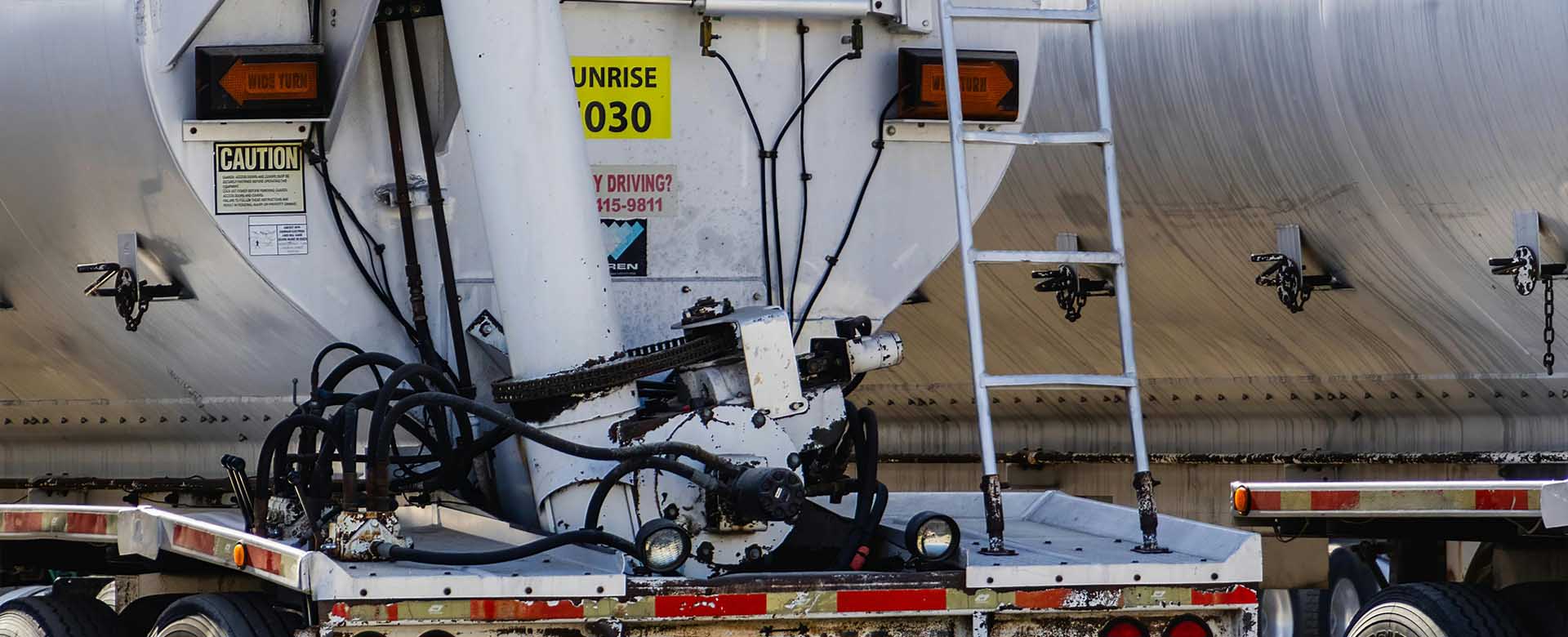
Conductive Hoses

The “On Condition” Approach

Many industry experts advocate a hybrid strategy: replace on condition or by calendar, whichever comes first. This means:

Regular inspections — at least annually, and ideally before each use

Documentation — track every hose failure, replacement, and operating condition to build your own maintenance history

Risk-based decisions — hoses in safety-critical or high-downtime-cost applications should be replaced proactively, not reactively

As one industry publication puts it: “Replacing a thousand dollars in hoses every three years on your production-critical machines is nothing compared to the thousands of dollars per hour you lose when your machine goes down”.

Signs That a Hose Needs Immediate Replacement

Regardless of age or hours in service, replace a hose immediately if you observe:

  • Cracks, cuts, or abrasion that penetrate the outer cover
  • Bulges or soft spots — signs of inner tube or reinforcement failure
  • Hardening or brittleness — indicating heat or chemical degradation
  • Leaks at fittings or along the hose body
  • Kinking or twisting that cannot be straightened
  • Blistering or swelling — evidence of chemical incompatibility
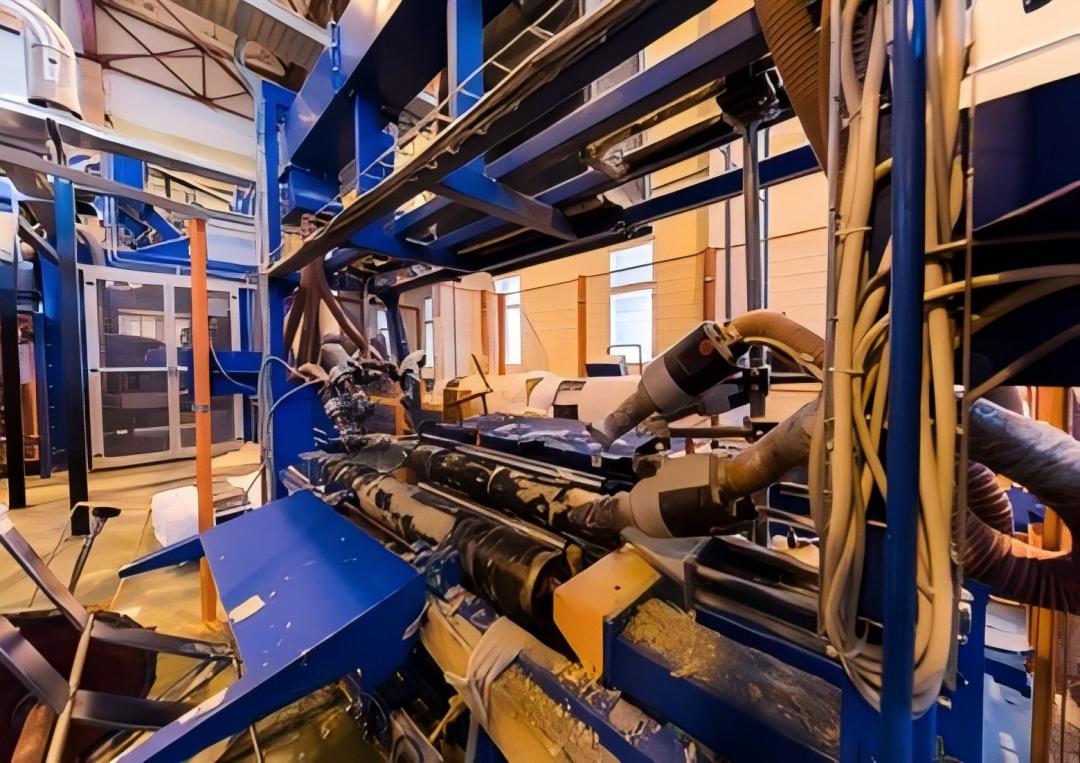
Industrial

Best Practices for Maximizing Hose Life

  • Store hoses properly — cool, dry, dust-free, away from direct sunlight and heat sources
  • Operate within rated limits — never exceed pressure or temperature ratings
  • Use protective measures — hose wraps and sleeves protect against abrasion and UV exposure
  • Keep fluid clean and cool — contaminated or overheated hydraulic fluid damages hoses from the inside
  • Inspect regularly — visual checks before each use catch problems early

Conclusion

So, how often should hoses be replaced? There is no one-size-fits-all answer. But here is a practical summary:

Scenario Recommended Replacement Interval
Safety-critical hydraulic hoses (heavy equipment) Every 2 years or 4,000 hours
Industrial hydraulic systems (general) Every 3–5 years, or per DGUV guidelines
Rubber hoses in demanding environments Every 1–3 years
Rubber hoses in moderate conditions Every 5–7 years
Maximum service life (any rubber hose) 10 years from manufacture
Inspection frequency Before each use, and at least annually

The key is not to wait for failure. Proactive replacement — based on a combination of industry standards, manufacturer recommendations, and your own operational history — is always cheaper and safer than reactive repairs. Track your data, inspect regularly, and choose a supplier like Utigoflex that delivers the quality and reliability you need to maximize uptime and minimize risk.

In fluid transfer systems, the cost of a hose failure is almost always greater than the cost of timely replacement. Replace wisely, replace proactively, and keep your operations running safely and efficiently.

Build Reliable Maintenance Systems with Utigoflex

At Utigoflex, we specialize in manufacturing high-performance industrial hoses designed to meet strict international standards, including ISO certifications and rigorous quality testing. Our goal is to help you reduce unexpected failures and build safer, more reliable fluid transfer systems.

Don’t wait for hose failure to disrupt your operations—choose a proactive replacement strategy backed by engineering expertise.

[Contact Utigoflex Today] to request a specialized quote or download our complete technical assembly catalog.

byadministratorKathy/July 6, 2026/inBlog, Product Knowledge
Recent
  • EPDM vs NBR Rubber Hose: Which Is Better?July 10, 2026 - 7:59 am
  • How Often Should Hose Be Replaced?July 6, 2026 - 8:55 am
  • Why Are Industrial Hose Certifications (ISO, REACH, UL)...June 30, 2026 - 9:21 am
  • PVC vs PU vs Rubber Hose: Differences & Applicatio...June 26, 2026 - 2:08 am
  • Best Industrial Construction Hoses | Hydraulic & PVC...June 22, 2026 - 8:30 am
  • How to Choose Hydraulic Hose Size | ID, OD & Flow ...June 18, 2026 - 9:21 am
  • How to Choose 1-Wire vs 2-Wire Hydraulic Hose | Utigoflex...June 12, 2026 - 8:27 am
  • How to Select Hydraulic Hose Fittings | Complete Guide by...June 10, 2026 - 10:03 am
Popular
  • Engineering PlasticsApril 18, 2024 - 9:54 am
  • Factory informationApril 18, 2024 - 9:58 am
  • Hydraulic hose workshopApril 18, 2024 - 10:00 am
  • Hydraulic hosesApril 18, 2024 - 10:01 am
  • Packaging & WarehouseApril 18, 2024 - 10:01 am
  • Production lineApril 18, 2024 - 10:02 am
  • Layflat Discharge Hoses: The Future of Lightweight Fluid...October 24, 2025 - 9:43 am
  • How to Choose the Right Industrial Hose for Your Applic...March 20, 2025 - 2:18 am
Comments
  • Awaiting check payment Order status changed from Pending...December 19, 2022 - 2:54 am by WooCommerce
  • Awaiting check payment Order status changed from Pending...December 12, 2022 - 2:14 pm by WooCommerce
  • Awaiting check payment Order status changed from Pending...December 12, 2022 - 1:37 pm by WooCommerce
  • Order cancelled by customer. Order status changed from Pending...November 16, 2022 - 11:59 am by WooCommerce
  • Awaiting check payment Order status changed from Pending...October 30, 2022 - 7:20 am by WooCommerce
  • Unpaid order cancelled - time limit reached. Order status...October 14, 2022 - 8:46 am by WooCommerce
  • Unpaid order cancelled - time limit reached. Order status...September 6, 2022 - 7:40 pm by WooCommerce
  • Awaiting check payment Order status changed from Pending...September 6, 2022 - 5:49 pm by WooCommerce
Tags

Categories

  • Blog
  • Company News
  • Product Knowledge
  • Uncategorized
  • Facebook
  • X
  • LinkedIn
  • Youtube
  • Instagram
  • steven@utigoflexhose.com
  • FACEBOOK
  • Instagram
  • YOUTUBE
  • 13510833230

Company

    • About Us
    • Products
    • Resources
    • Contact Us

Product

  • Hydraulic Hose
  • Rubber Hose
  • PVC Hose
  • Industrial Hose
  • Air Duct Hose
  • Food Grade Hose
  • Pneumatic Hose

Technical Support

    • Plastic Hoses Catalogue
    • Rubber Hose Catalogue
    • Hydraulic Fittings Catalogue
    • Privacy Policy

Follow Us

Copyright @ Utigoflex | All rights reserved
Why Are Industrial Hose Certifications (ISO, REACH, UL) Important?EPDM vs NBR Rubber Hose: Which Is Better?
Scroll to top

This site uses cookies. By continuing to browse the site, you are agreeing to our use of cookies.

Agree & ContinueSettingsReject

Cookie and Privacy Settings


How we use cookies

We may request cookies to be set on your device. We use cookies to let us know when you visit our websites, how you interact with us, to enrich your user experience, and to customize your relationship with our website.

Click on the different category headings to find out more. You can also change some of your preferences. Note that blocking some types of cookies may impact your experience on our websites and the services we are able to offer.

Essential Website Cookies

These cookies are strictly necessary to provide you with services available through our website and to use some of its features.

Because these cookies are strictly necessary to deliver the website, refusing them will have impact how our site functions. You always can block or delete cookies by changing your browser settings and force blocking all cookies on this website. But this will always prompt you to accept/refuse cookies when revisiting our site.

We fully respect if you want to refuse cookies but to avoid asking you again and again kindly allow us to store a cookie for that. You are free to opt out any time or opt in for other cookies to get a better experience. If you refuse cookies we will remove all set cookies in our domain.

We provide you with a list of stored cookies on your computer in our domain so you can check what we stored. Due to security reasons we are not able to show or modify cookies from other domains. You can check these in your browser security settings.

Google Analytics Cookies

These cookies collect information that is used either in aggregate form to help us understand how our website is being used or how effective our marketing campaigns are, or to help us customize our website and application for you in order to enhance your experience.

If you do not want that we track your visit to our site you can disable tracking in your browser here:

Other external services

We also use different external services like Google Webfonts, Google Maps, and external Video providers. Since these providers may collect personal data like your IP address we allow you to block them here. Please be aware that this might heavily reduce the functionality and appearance of our site. Changes will take effect once you reload the page.

Google Webfont Settings:

Google Map Settings:

Google reCaptcha Settings:

Vimeo and Youtube video embeds:

Other cookies

The following cookies are also needed - You can choose if you want to allow them:

Privacy Policy

You can read about our cookies and privacy settings in detail on our Privacy Policy Page.

Privacy Policy
Accept settingsHide notification only
Skip to content
Open toolbar Accessibility Tools

Accessibility Tools

  • Increase TextIncrease Text
  • Decrease TextDecrease Text
  • GrayscaleGrayscale
  • High ContrastHigh Contrast
  • Negative ContrastNegative Contrast
  • Light BackgroundLight Background
  • Links UnderlineLinks Underline
  • Readable FontReadable Font
  • Reset Reset