
You are here: Home1 / Blog2 / Product Knowledge3 / Hose Thread Size Chart to Guide You Choose Right Hose
Hose Thread Size Chart to Guide You Choose Right Hose
Selecting the perfect hose for your industrial, commercial, or residential application can quickly become confusing when you look at the fittings. A mismatched thread size doesn’t just cause annoying leaks—it can lead to pressure drops, equipment damage, and costly downtime.
To help you get the perfect fit every time, we have put together this comprehensive hose thread size chart and guide. Whether you are dealing with standard garden hoses or heavy-duty industrial fluid transfer, this guide will ensure you choose the right hose.
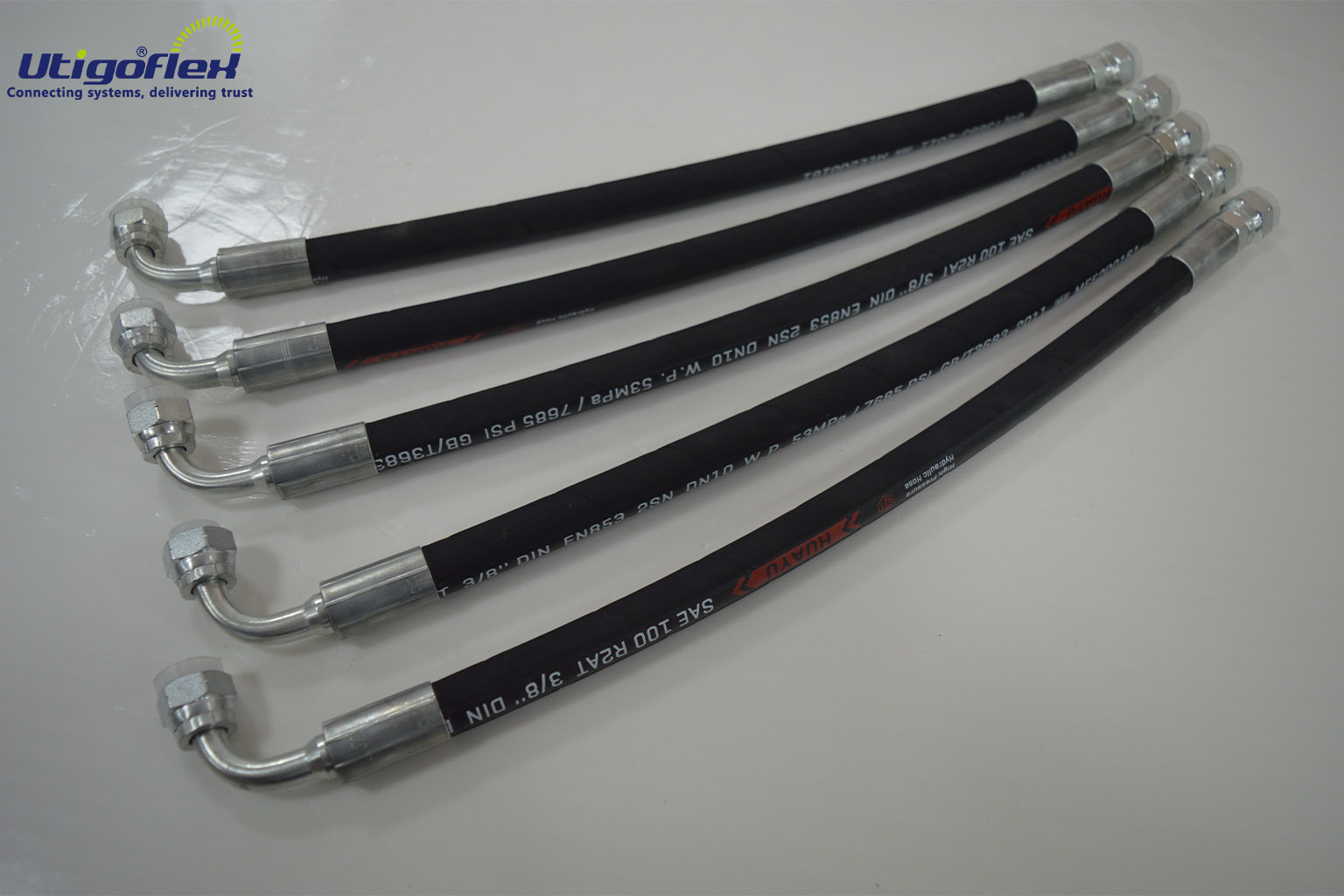
1. Understanding Common Hose Thread Types
Before jumping into the sizes, it is crucial to know that not all threads are created equal. Thread types vary by country, industry, and application. The three most common types you will encounter include:
-
GHT (Garden Hose Thread): A parallel (straight) thread standard used exclusively for garden hoses, outdoor faucets, and watering accessories. It relies on a rubber washer to create a seal.
-
NPT (National Pipe Tapered): A tapered thread widely used in North American industrial hose and pipe fittings. The threads themselves flatten out to form a mechanical seal.
-
BSP (British Standard Pipe): The standard thread type used globally (outside North America). It comes in two variants: BSPT (Tapered) and BSPP (Parallel).
Key Takeaway: Tapered threads (NPT/BSPT) seal by thread interference, while straight threads (GHT/BSPP) require a gasket, O-ring, or washer to prevent leaks. They are not interchangeable.
2. Complete Hose Thread Size Chart
When measuring thread sizes, the “nominal size” (e.g., 3/4 inch) does not match the actual physical measurement of the thread’s diameter. Use the master reference chart below to match physical measurements to the correct standard thread sizes.
| Thread Standard | Nominal Size (Inches) | Threads Per Inch (TPI) | Actual Male Thread Outer Diameter (OD) | Typical Application |
| GHT (NH) | 3/4″ | 11.5 | 1.062″ (27.0 mm) | Residential & Commercial Gardening |
| NPT | 1/4″ | 18 | 0.540″ (13.7 mm) | Pneumatic tools, small air hoses |
| NPT | 3/8″ | 18 | 0.675″ (17.1 mm) | Industrial fluid and air lines |
| NPT | 1/2″ | 14 | 0.840″ (21.3 mm) | High-pressure washdown, hydraulics |
| NPT | 3/4″ | 14 | 1.050″ (26.7 mm) | Commercial water transfer, chemical lines |
| NPT | 1″ | 11.5 | 1.315″ (33.4 mm) | Heavy-duty industrial suction/discharge |
| BSPP / BSPT | 1/2″ | 14 | 0.825″ (21.0 mm) | International industrial equipment |
| BSPP / BSPT | 3/4″ | 14 | 1.041″ (26.4 mm) | International fluid processing lines |
3. How to Measure Hose Thread Size Accurately
If you have an existing hose fitting and need a replacement, follow these three steps to find its exact specifications:
Step 1: Determine if the Thread is Tapered or Straight
Look closely at the fitting. If the width stays exactly the same from top to bottom, it is a straight/parallel thread (GHT or BSPP). If it narrows slightly toward the tip, it is a tapered thread (NPT or BSPT).
Step 2: Measure the Outer Diameter (OD)
Use a pair of digital calipers (or a standard ruler if calipers aren’t available) to measure the outside diameter of a male thread or the inside diameter of a female thread.
Step 3: Count the Threads Per Inch (TPI)
Use a thread pitch gauge to match the threads, or manually count the number of thread crests within a 1-inch span.
Once you have your OD and TPI, check them against our hose thread size chart above to find your exact fitting size.
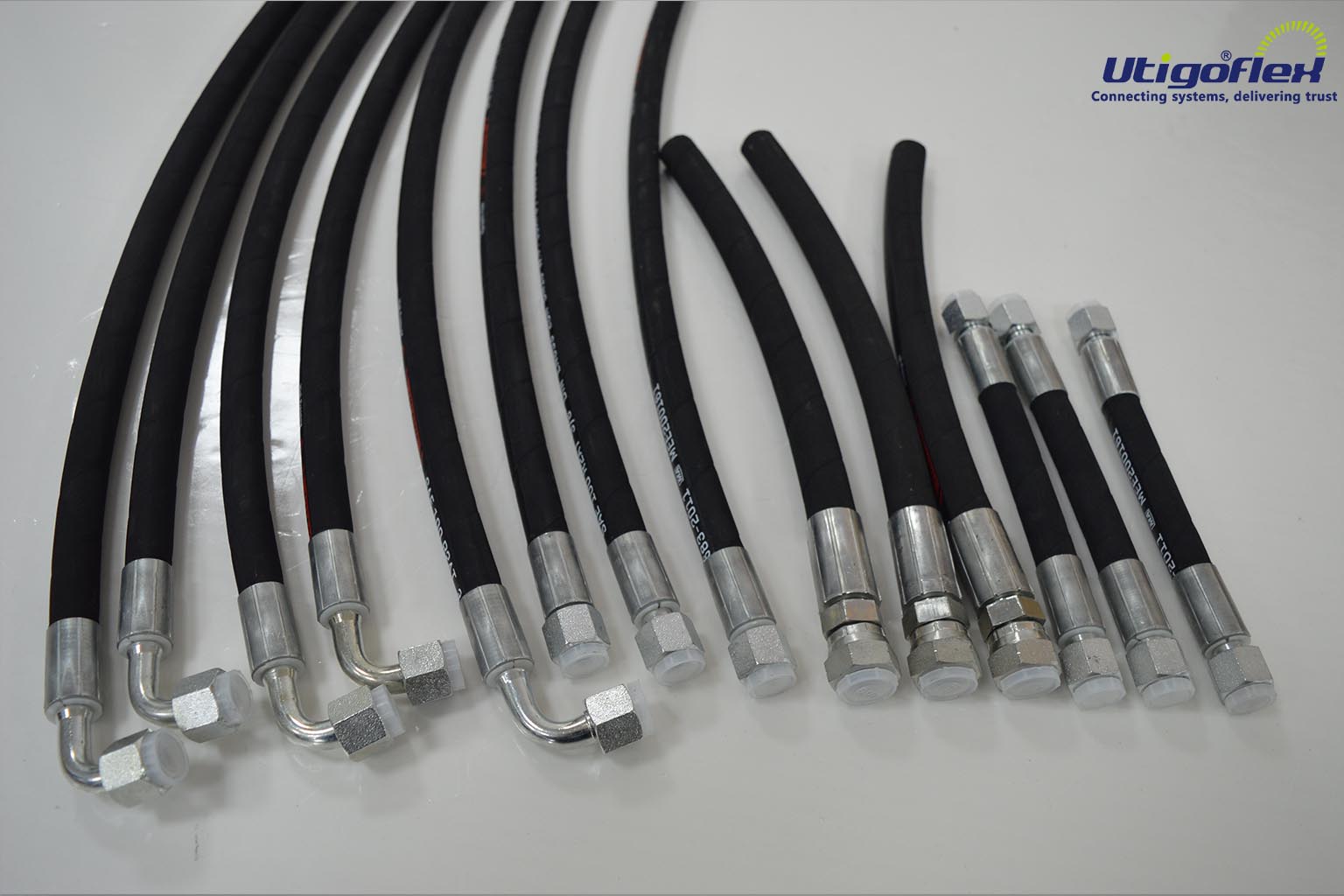
4. Step-by-Step Guide: How to Choose the Right Hose
To ensure seamless compatibility, use this checklist before purchasing your next hose assembly:
-
Identify the Equipment Connection: Check the manual or look for stamps on your pump, valve, or faucet to see what thread standard it accepts (e.g., “1/2 NPT”).
-
Match Thread Standards: Never force an NPT fitting onto a GHT or BSP connection. It will cross-thread, ruin the fitting, and cause immediate leaks under pressure.
-
Consider Flow Rate Requirements: A larger hose inner diameter (ID) allows for higher volume (GPM) and lowers pressure drop. Ensure your fitting size doesn’t severely bottleneck your system.
-
Account for Pressure and Environment: Always ensure the hose material and fitting connection type are rated for your specific working pressure, temperature, and chemical exposure.

