
You are here: Home1 / Blog2 / Product Knowledge3 / Marine Hydraulic Hose Selection Guide: Core Requirements & Standa...
Marine Hydraulic Hose Selection Guide: Core Requirements & Standards
Operating fluid power systems in marine and offshore environments presents one of the most grueling engineering challenges in the world. Whether powering heavy-duty deck cranes on oil rigs, deep-sea cargo winches, steering gear systems on ocean liners, bow thrusters, or hatch covers, hydraulic components are pushed to their physical limits every single day.
Unlike land-based factory setups, a marine fluid network must continuously withstand high-salinity corrosion, severe ambient temperature swings, relentless mechanical vibrations, and extremely confined installation spaces. Under these harsh conditions, choosing the wrong hose specification doesn’t just mean a minor leak—it directly risks catastrophic system downtime, expensive vessel detention, and severe environmental pollution fines at international ports.
To help marine engineers and procurement managers navigate these strict operational realities, this comprehensive B2B guide breaks down the core requirements, global sea-faring standards, and scientific selection frameworks, featuring certified solutions from Utigoflex.
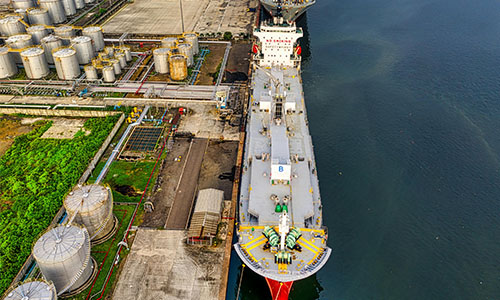
1. The 4 Hard-Core Requirements for Marine Hydraulic Hoses
To survive at sea, a professional marine hydraulic hose must be engineered to much stricter manufacturing standards than ordinary industrial hoses. Every pipeline must meet four critical performance criteria:
- Saltwater & Corrosion Resistance
Marine-grade hoses are constantly drenched in seawater and exposed to high-salinity mist. The synthetic rubber formulation of the outer cover must possess advanced anti-swelling and anti-cracking compounds to prevent saltwater from penetrating the cover and rusting the internal steel reinforcement wires. - High-Vibration Absorption
Relentless engine rumbles, hull twisting, and rough wave action exert immense physical stress on fluid connections. A premium marine hose must act as an elastomeric dampener, retaining its flexible structural integrity under continuous mechanical impulse and flex fatigue. - Stringent Fire Safety Compliance
The engine room is a high-risk thermal zone. To prevent a high-pressure oil mist from feeding an accidental fire, hoses installed in critical vessel areas must comply strictly with ISO 15540 or SOLAS (Safety of Life at Sea) regulations, demonstrating reliable flame-retardant and fire-resistant properties. - Compact Bend Radii for Tight Routing
Space inside ship hulls and engine compartments is premium real estate. Stiff hoses cannot be routed safely around tightly packed machinery. Marine lines require ultra-flexible properties that allow sharp bends without kinking or choking fluid flow.
Utigoflex Guarantee: Every Utigoflex marine line is manufactured with specialized saltwater-resistant, ozone-proof covers and high-tensile steel reinforcements engineered to absorb continuous wave-induced vibration.
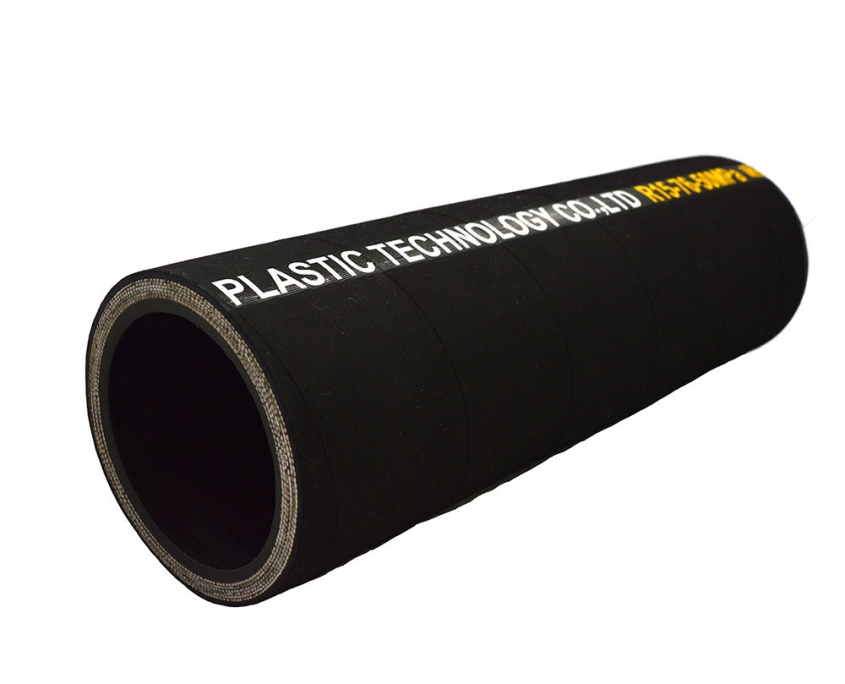
2. Applying the STAMPED Method to Sea-Faring Applications
When managing a marine procurement project, engineers rely on the industry-standard STAMPED method, upgrading each parameter with specialized maritime safety margins:
- S – Size (Inner Diameter & Length): Because shipboard layouts often require exceptionally long hose runs from the central hydraulic power unit (HPU) to deck machinery, friction-induced pressure drops can be severe. For optimal fluid velocity, engineers typically recommend adding a 10% to 15% safety margin to the hose layout size.
- T – Temperature (Media & Ambient): The hose must handle hot hydraulic fluid internally while surviving freezing arctic sea spray or tropical engine room heat externally. Utigoflex marine hoses stably support an operating spectrum of -20°C to +100°C.
- A – Application: Clearly define where the hose is deployed (e.g., steering systems, offshore drilling platforms, or bow thrusters) to match the appropriate flexibility and outer cover defense levels.
- M – Media Compatibility: Modern green-shipping regulations demand compliance with environmental laws. Hoses must remain chemically inert whether transferring traditional mineral oils, synthetic fluids, or eco-friendly biodegradable hydraulic oils. Utigoflex inner tubes are fully compatible with all three media types.
- P – Pressure Capacity: The configuration must support continuous working pressure plus sudden system impulse spikes (which frequently hit 1.5 times the working pressure). Utigoflex strictly maintains a 4:1 engineering safety design factor across its high-pressure portfolios.
- E – Ends (Fittings & Couplings): Corrosive marine environments quickly destroy substandard metal couplings. Hoses must be paired with premium corrosion-resistant fittings made of high-grade stainless steel (AISI 316) or heavy zinc-plated carbon steel. Utigoflex supplies pre-crimped, marine-grade couplings calibrated to prevent high-pressure blow-offs.
- D – Delivery & Service Interval: With vessels running 24/7 during long-haul voyages, components require extended service lifetimes and predictable durability to fit into scheduled dry-dock maintenance cycles.
3. Crucial International Marine Classification Approvals
Most maritime authorities and commercial vessel insurance underwriters prohibit the installation of uncertified components. To ensure compliance, procurement teams must verify that hoses carry major third-party classification society approvals, including:
- ABS (American Bureau of Shipping)
- DNV (Det Norske Veritas)
- LR (Lloyd’s Register)
- BV (Bureau Veritas)
- ISO 18752 (Global high-pressure hydraulic hose performance grading standard)
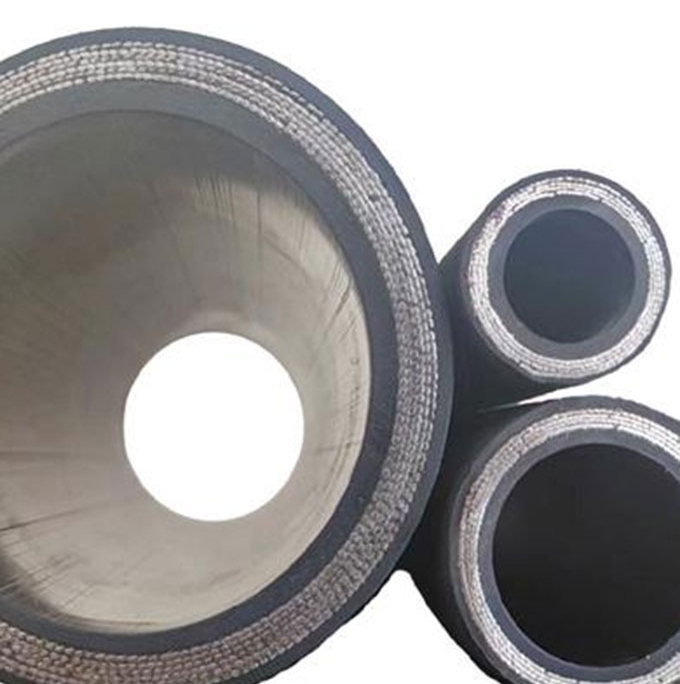
4. Solving 3 Major Onboard Technical Challenges
| Field Challenge | The Operational Risk | The Engineering Solution |
|
Confined Space Routing |
Bending a hose past its limit restricts flow and causes wire fatigue near the fitting. |
Compare available spaces against the hose’s minimum bend radius under maximum working pressure. Utigoflex compact-bend series provide maximum flexibility for tight zones. |
|
Deck UV & Abrasion Exposure |
Intense tropical sunlight degrades rubber compounds, while constant contact with steel decks wears down covers. |
Specify hoses featuring enhanced abrasion-resistant outer jackets, or install Utigoflex heavy-duty plastic spiral guards over exposed deck runs. |
|
Mid-Voyage Sudden Failures |
Marine engineers cannot order parts mid-ocean, leading to dropped crane loads or system paralysis. |
Always stock critical lines on board. Utigoflex provides pre-labeled emergency kits filled with popular sizes (from ¼” up to 2″) and field-attachable reusable couplings. |
Conclusion: Keep Your Fleet Safe with Certified Utigoflex Solutions
When vessels operate hundreds of miles offshore, hydraulic hose assemblies are far more than just rubber spare parts—they are critical to ensuring vessel productivity and crew safety. Investing in high-quality, certified marine hoses not only eliminates the risk of unexpected failures and reduces costly maintenance and repair expenses, but also ensures full compliance with global maritime regulations.
Seamless Fluid Power Excellence from Utigoflex
At Utigoflex, we combine over a decade of high-end B2B hose manufacturing with 16+ years of specialized experience in producing Eaton-standard hydraulic fittings and adapters. Our marine solutions deliver full traceability, comprehensive factory test reports, saltwater-proof covers, and pre-calibrated crimp safety to keep your maritime assets moving reliably.
Related Engineering Resources
Once you have selected the right material, calculating the physical dimension is your next step. Read our master guide: [How to Choose the Right Industrial Hose for Your Application]
Need Custom Thermal Solutions?
Our dedicated technical support team is ready to cross-reference your specific part numbers and arrange marine certification documents. [Contact Utigoflex Today] to request our 2025 product catalog or speak directly with our product engineers.

