
How to Choose the Right Hose Material?
The material of your industrial hose determines its performance, lifespan, and safety. Choose wrong, and you risk swelling, cracking, or catastrophic failure. Choose right, and your system runs smoothly for years. This guide breaks down the most common hose materials—and shows how Utigoflex helps you make the perfect match.
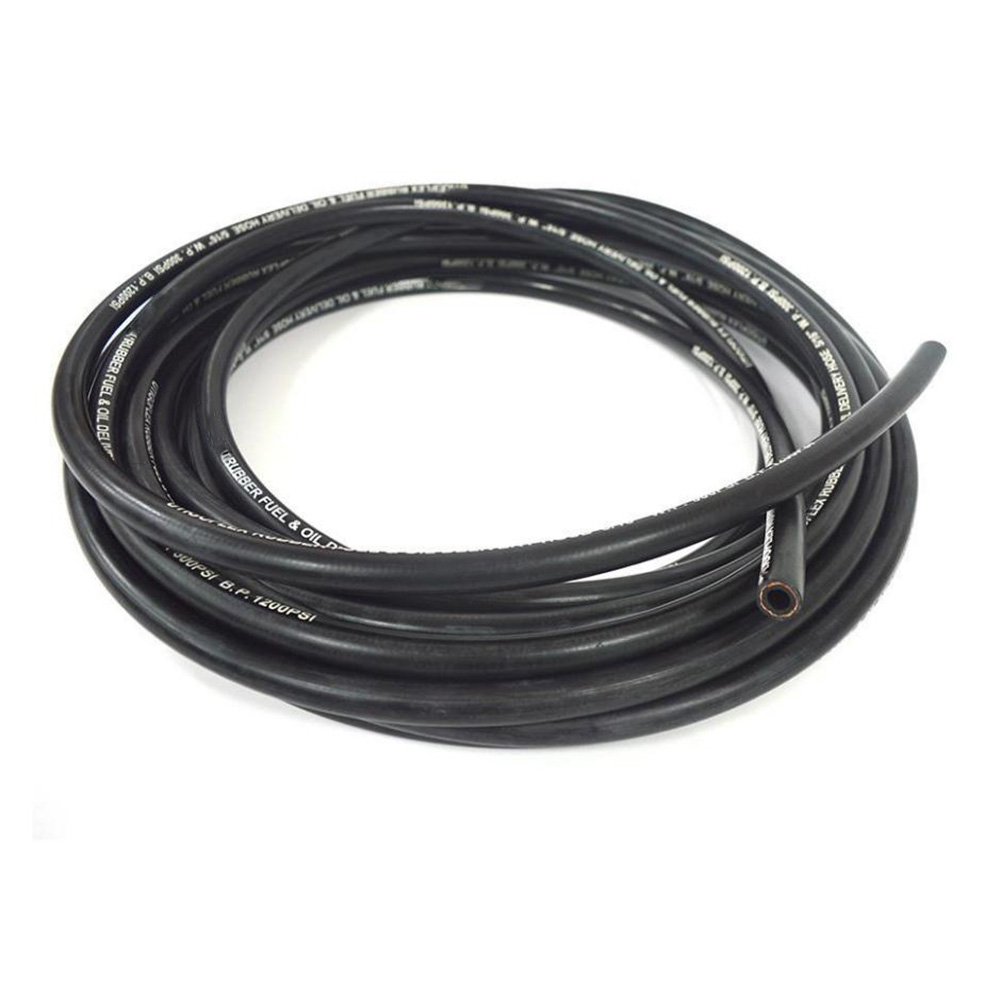
1. NBR (Nitrile Butadiene Rubber) – The Oil Specialist
NBR is the most common hydraulic hose tube material. It offers excellent resistance to mineral oils, biodegradable oils, and fuels. However, NBR swells severely when exposed to water-based fluids or polar media.
- Best for: Hydraulic oils, fuels, lubricants, and petroleum-based fluids.
- Utigoflex application: Our Ship-To-Ship Oil Hose uses an NBR tube for crude oil and petroleum product transfer.
- Temperature range: Typically -40°C to +100°C.
2. EPDM (Ethylene Propylene Diene Monomer) – The Water & Steam Expert
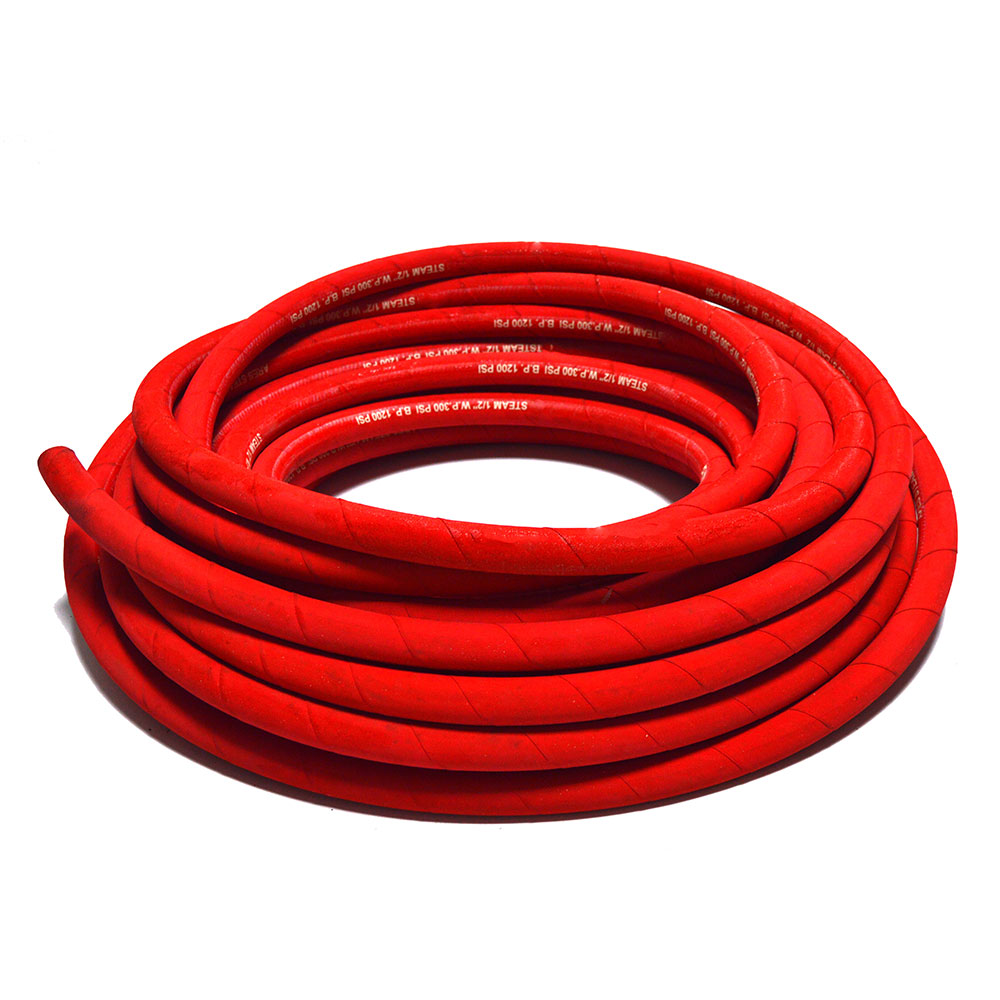
EPDM excels where NBR fails. It resists polar media like water, steam, and phosphate ester hydraulic fluids. It also offers excellent ozone, UV, and weathering resistance. But EPDM is not compatible with mineral oils or petroleum-based fluids.
- Best for: Hot water, steam, water-glycol solutions, acids, alkalis, and weather-exposed applications.
- Utigoflex tip: For steam cleaning or outdoor installations, EPDM is your material.
- Temperature range: Up to +120°C (with special compounds reaching +150°C).
3. PTFE (Polytetrafluoroethylene) – The Ultimate Chemical Barrier
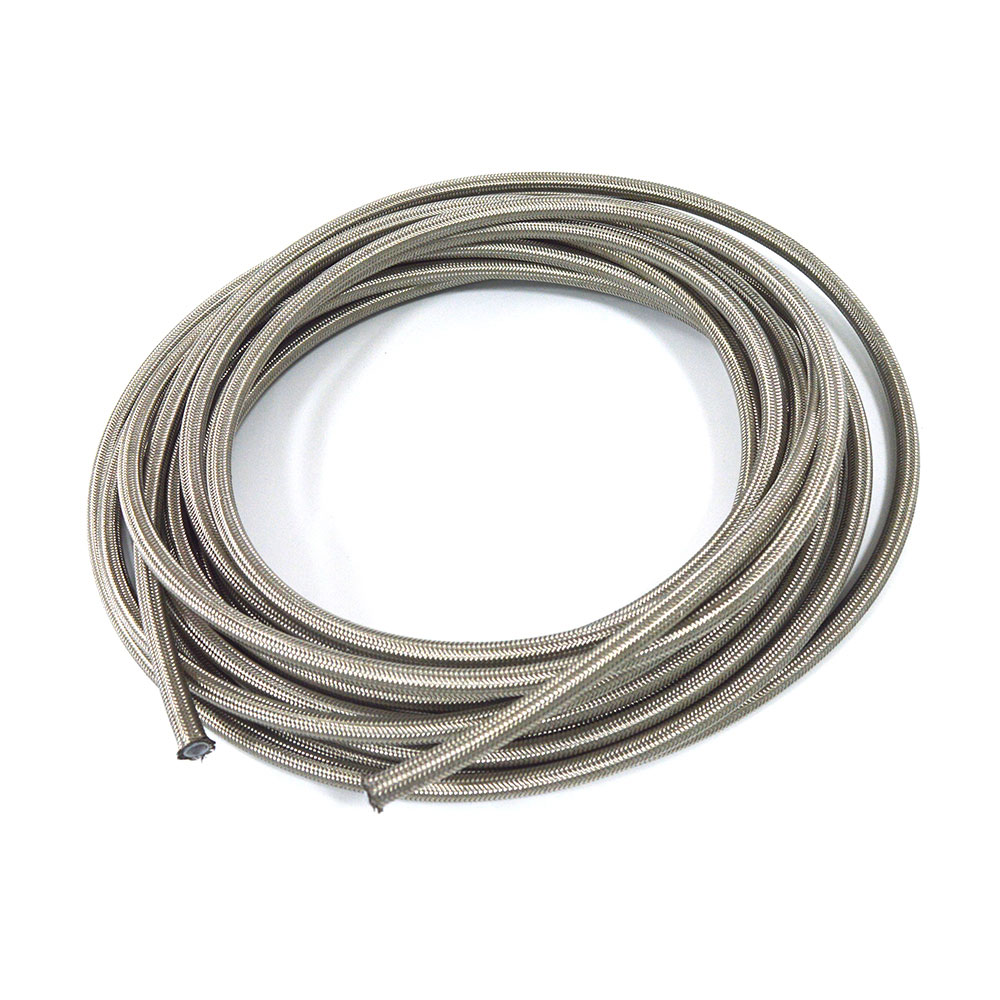
PTFE offers the broadest chemical resistance of any hose material. It resists virtually all chemicals, has a low friction coefficient, and withstands extreme temperatures. The downside? It is more expensive than rubber alternatives.
- Best for: Aggressive chemicals, acids, solvents, and extreme temperatures.
- Utigoflex offering: Our SAE 100 R14 hose features a PTFE tube with stainless steel wire braid for maximum chemical and pressure resistance.
- Temperature range: -73°C to +260°C.
4. PVC (Polyvinyl Chloride) – The Cost-Effective Generalist
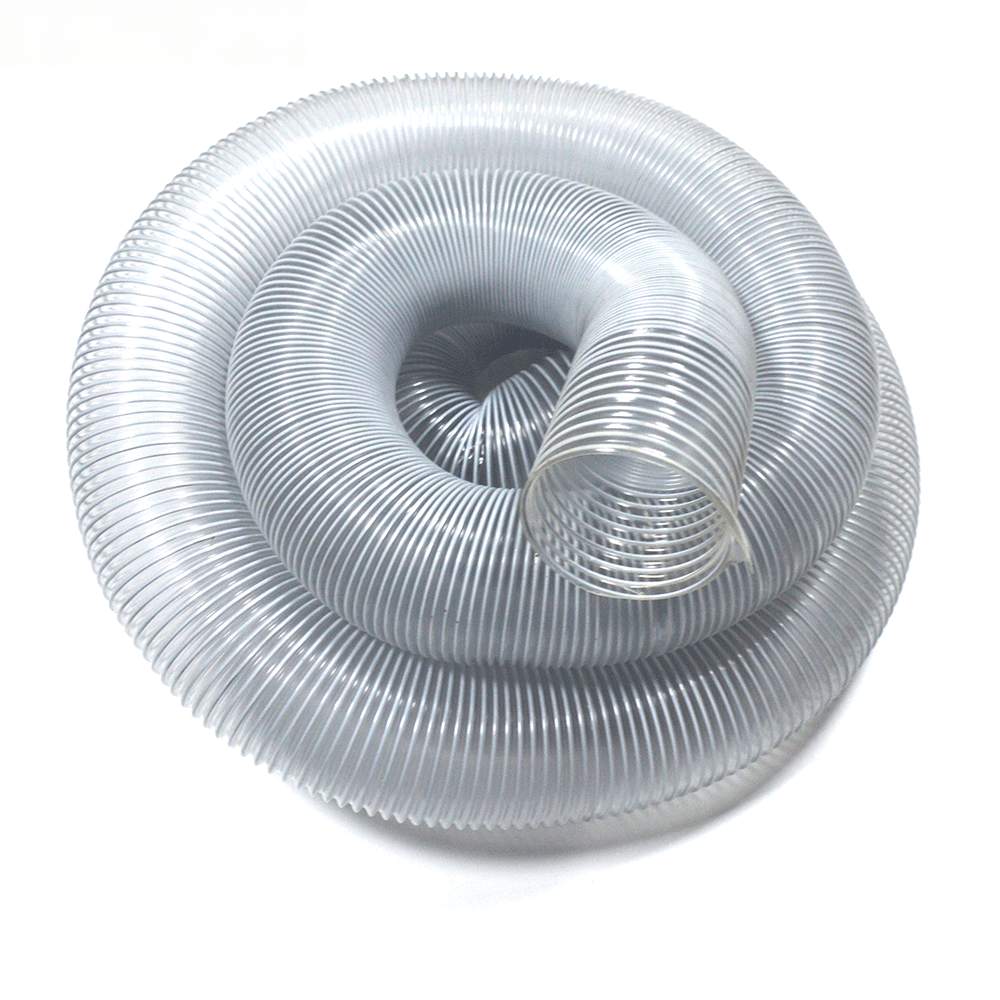
PVC is inexpensive and versatile. It offers good chemical resistance to many media and excellent electrical insulation. However, PVC has lower temperature and abrasion resistance compared to polyurethane or rubber. It can also become brittle over time due to plasticizer migration.
- Best for: Water, air, light chemicals, and general-purpose transfer.
- Utigoflex solution: Our PVC hoses are available in multiple sizes and pressure ratings for water, air, and light chemical applications.
- Temperature range: Typically -20°C to +65°C.
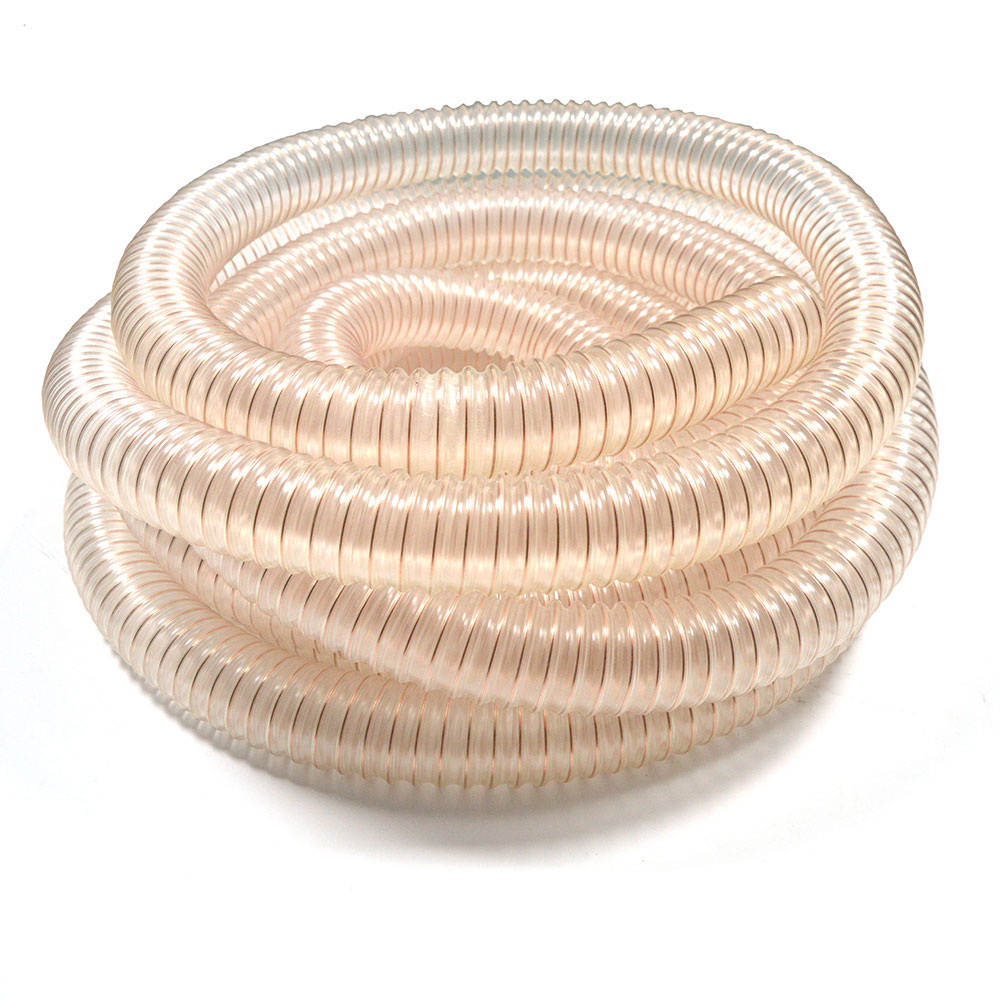
5. Polyurethane (PU) – The Abrasion Champion
PU has exceptional abrasion resistance—about 2.5 to 5 times higher than rubber and 3 to 4 times higher than PVC. It is also highly flexible and resistant to oils, greases, and weathering.
- Best for: Abrasive materials, pneumatic systems, and high-wear environments.
- Utigoflex advantage: Our thermoplastic hydraulic hoses (SAE 100 R7/R8) feature a nylon inner tube with a tough polyurethane cover, delivering lightweight durability and excellent abrasion resistance.
- Temperature range: -40°C to +93°C (typical for thermoplastic hoses).
6. Silicone – The High-Heat Specialist
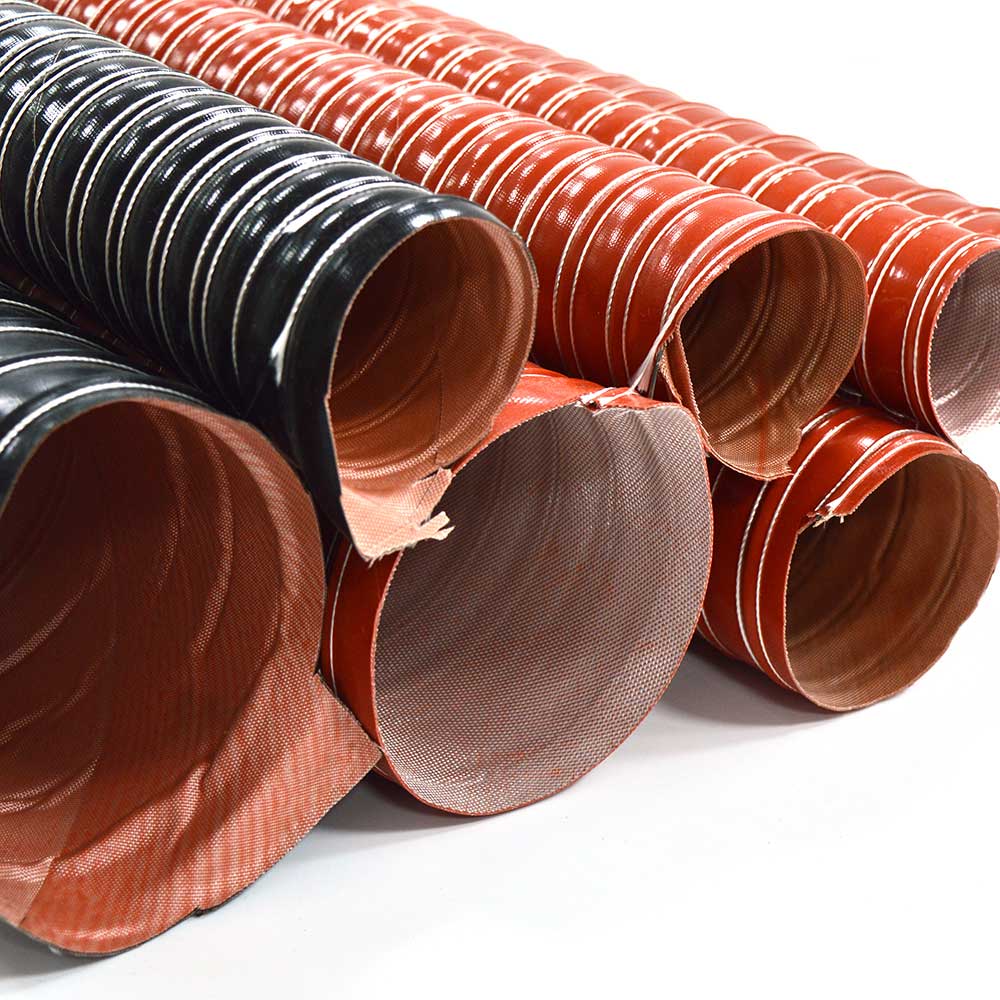
Silicone handles temperatures from -50°C to +200°C or higher. It remains flexible at extreme temperatures and is FDA-approved for food contact. However, it has lower pressure ratings and less abrasion resistance than rubber or PU.
- Best for: Extreme heat applications, food processing, and sanitary environments.
- Utigoflex solution: Our silicone hot air duct hose with glass fiber reinforcement provides ~30% greater heat resistance than standard rubber hoses.
- Temperature range: -50°C to +200°C+.
How to Choose – A Quick Decision Guide
| If your media is… | Choose… |
| Mineral oil, fuel, hydraulic fluid | NBR |
| Water, steam, acids, weather-exposed | EPDM |
| Aggressive chemicals, solvents | PTFE |
| Water, air, light chemicals (budget) | PVC |
| Abrasive materials, high wear | Polyurethane |
| Extreme heat, food processing | Silicone |
Conclusion
Choosing the right hose material comes down to three questions: What fluid are you transferring? What temperature will it see? What environment will it work in? Match the material to your media, and your hose will last. Ignore compatibility, and failure is only a matter of time.
Need Help Choosing the Right Hose Material?
Utigoflex offers a complete range of hose materials—NBR, EPDM, PTFE, PVC, polyurethane, and silicone—backed by full traceability and expert support. From chemical transfer to high-heat air ducts, we have the right material for your application.
[Contact Utigoflex Today] for expert hose selection support and a customized solution for your application.

