
You are here: Home1 / Blog2 / Product Knowledge3 / How to Choose 1-Wire vs 2-Wire Hydraulic Hose | Utigoflex Guide
How to Select Hydraulic Hoses: 1-Wire vs 2-Wire Hydraulic Hose Explained
Choosing between a 1-wire and 2-wire hydraulic hose is one of the most important decisions in hydraulic system design. While both use steel wire braid reinforcement, they are engineered for different pressure levels, flexibility needs, and working environments.
This guide simplifies the selection process with practical comparisons and expert support from Utigoflex.
1. What Is a 1-Wire Hydraulic Hose?
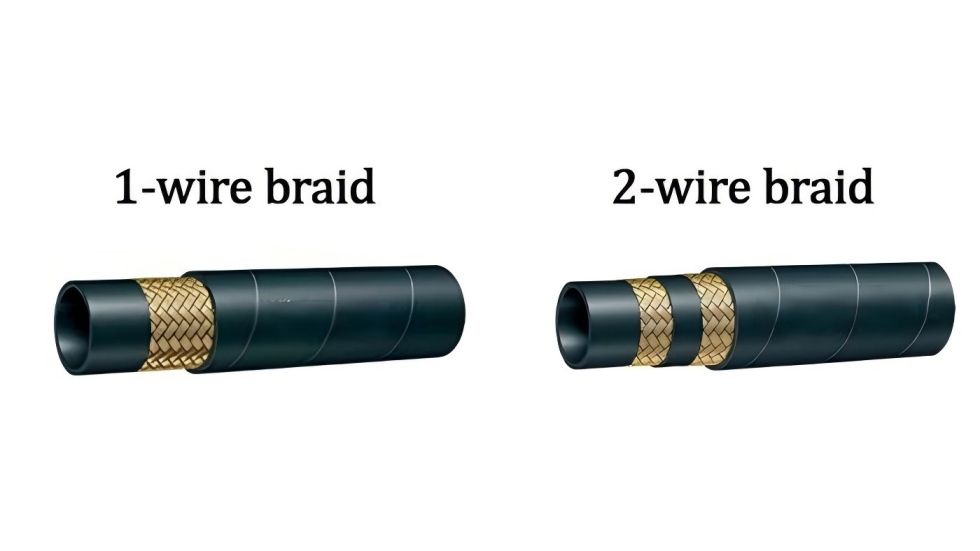
A 1-wire hydraulic hose (commonly SAE 100R1 / EN 853 1SN) uses a single layer of steel wire braid for reinforcement. It is designed for medium-pressure hydraulic applications where flexibility and easy routing are important.
Key points:
- Single steel wire braid reinforcement
- Medium working pressure (around 150–225 bar)
- High flexibility with a small bend radius
- Lightweight and easy to install
- Suitable for return lines, agriculture, and light industrial use
It is mainly chosen when flexibility and ease of installation matter more than extreme pressure capacity.
Utigoflex provides 1-wire hoses optimized for compact and flexible hydraulic systems.
2. What Is a 2-Wire Hydraulic Hose?
A 2-wire hydraulic hose (commonly SAE 100R2 / EN 853 2SN) is reinforced with two layers of steel wire braid, making it stronger and more suitable for high-pressure applications.
Key points:
- Double steel wire braid reinforcement
- Higher working pressure (around 275–400 bar)
- Stronger and more durable under pressure spikes
- Moderate flexibility with a larger bend radius
- Used in construction equipment, excavators, and heavy machinery
It is the preferred choice for high-pressure and heavy-duty hydraulic systems where safety and durability are critical.
Utigoflex designs 2-wire hoses for demanding industrial environments requiring stable high-pressure performance.
3. 1-Wire vs 2-Wire Hydraulic Hose Comparison
| Feature | 1-Wire (R1 / 1SN) | 2-Wire (R2 / 2SN) |
| Reinforcement | Single braid | Double braid |
| Pressure Range | Medium | High |
| Flexibility | Very high | Moderate |
| Outer Diameter | Smaller | Larger |
| Weight | Lighter | Heavier |
| Cost | Lower | Higher |
| Typical Use | Return lines, light duty | Heavy-duty hydraulics |
4. How to Choose the Right Hydraulic Hose
Selecting the correct hose depends mainly on system pressure, movement requirements, and safety margin.
Choose 1-Wire Hose When:
- Pressure is below 225 bar
- Tight bending and routing flexibility are needed
- Weight reduction is important
- Budget efficiency is a priority
Choose 2-Wire Hose When:
- Pressure exceeds 225 bar
- Equipment experiences pressure surges
- Heavy-duty industrial performance is required
- Manufacturer specifies R2 / 2SN hose
Expert tip: If you are unsure, selecting a 2-wire hose is usually safer due to its higher pressure tolerance.
5. Don’t Forget Fitting Compatibility
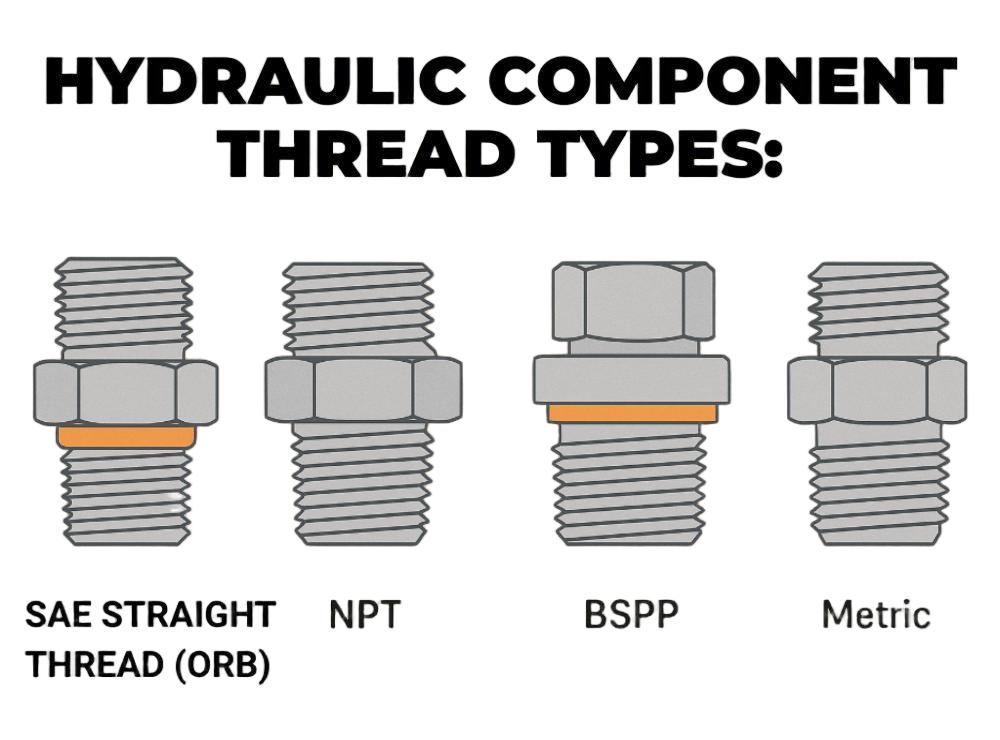
Hose selection is not complete without considering fittings. 1-wire and 2-wire hoses require different crimp specifications.
Important rule:
Never mix fittings between 1-wire and 2-wire hoses—this can result in poor crimping and potential system failure.
Utigoflex provides fully matched and pre-crimped hose assemblies to eliminate compatibility risks.
If you want to understand this in more detail, including how to choose the right fitting based on pressure rating, thread type, and application, you can read our dedicated guide:
Utigoflex also provides fully matched hose and fitting assemblies to eliminate compatibility risks and ensure reliable performance in demanding applications.
6. Frequently Asked Questions (FAQ)
Q: 1. Can I use a 1-wire hose instead of a 2-wire hose?
A: Only if your system pressure stays within the 1-wire rating. Otherwise, it is unsafe.
Q: 2. Is a 2-wire hose always better?
A: Not always. It offers higher strength but is less flexible and heavier than 1-wire hoses.
Q: 3. What happens if I exceed hose pressure limits?
A: It can lead to hose burst, leakage, or serious equipment damage.
Q: 4. Can 1-wire and 2-wire hoses use the same fittings?
A: No. They require different crimp specifications for safe operation.
Q: 5. Which hose lasts longer?
A: Both last long if used within their rated pressure and conditions. Overloading reduces lifespan significantly.
Q: 6. How do I know which hose my machine needs?
A: Check the manufacturer specification or consult a hydraulic expert like Utigoflex.
Need help selecting between 1-wire and 2-wire hydraulic hoses?
Utigoflex can help you choose the right solution based on your exact pressure, application, and equipment requirements.
We offer:
- 1-wire & 2-wire SAE/EN certified hoses
- Pre-crimped, ready-to-use assemblies
- Pressure-tested hydraulic solutions
- Expert technical selection support
👉 Get the right hose the first time—safe, reliable, and built for your application.
[Contact Utigoflex Today] to request a specialized quote or download our complete technical assembly catalog.

