
What Are the Most Common Uses of Rubber Hoses?
Rubber hoses are essential components in many industrial and commercial applications. From transporting water and compressed air to transferring oil, chemicals, and other industrial fluids, they provide flexible and reliable connections between equipment and systems.
Compared with rigid pipelines, rubber hoses offer greater flexibility, absorb vibration, and can accommodate equipment movement. Their reinforced construction also allows them to handle different pressure levels, temperatures, and working environments.
But what are the most common uses of rubber hoses? This article explores their major applications across different industries and explains how to select the right hose for each purpose.
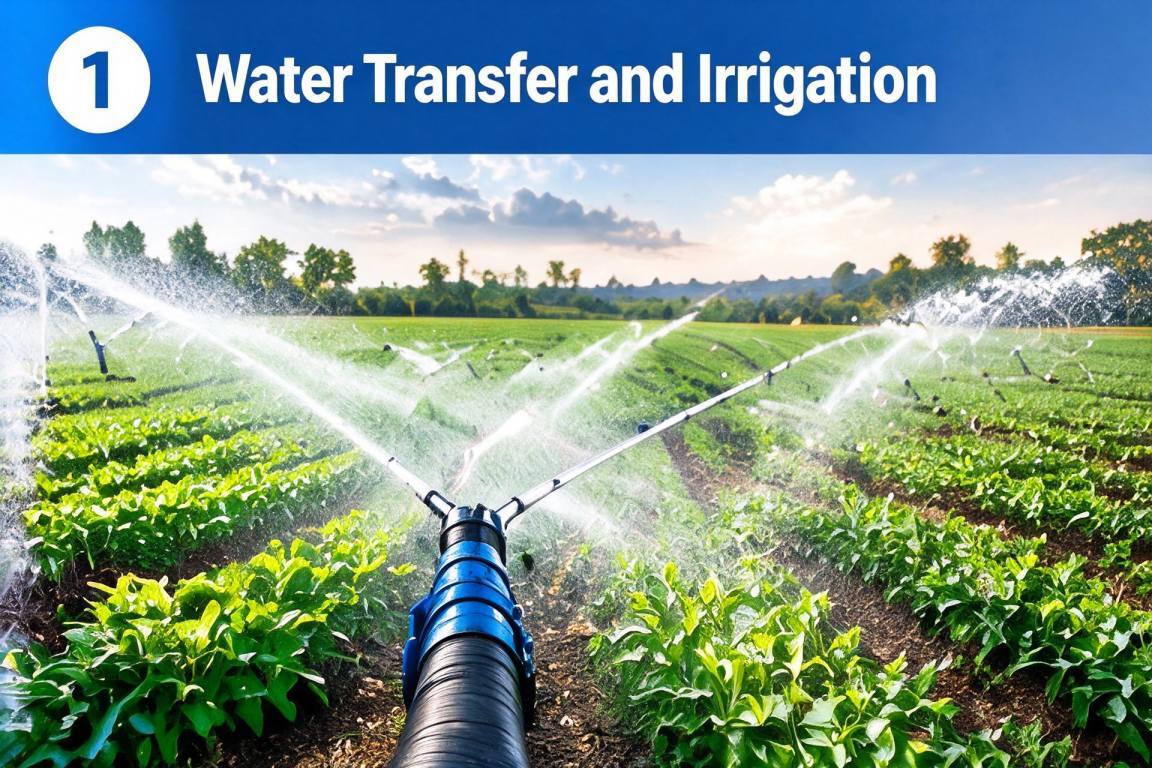
1. Water Transfer and Irrigation
One of the most common uses of rubber hoses is transporting water. They are widely used in industrial facilities, agricultural irrigation systems, construction sites, and water supply operations.
Typical applications include:
- Transferring water between tanks and equipment.
- Supplying water to agricultural irrigation systems.
- Pumping water for construction projects.
- Supporting industrial cooling and cleaning operations.
- Water suction and discharge in drainage systems.
Depending on the application, buyers can choose general-purpose water hoses, reinforced water delivery hoses, or suction and discharge hoses.
For example, a suction hose needs sufficient structural reinforcement to resist collapsing under vacuum conditions, while a delivery hose must withstand the required working pressure.
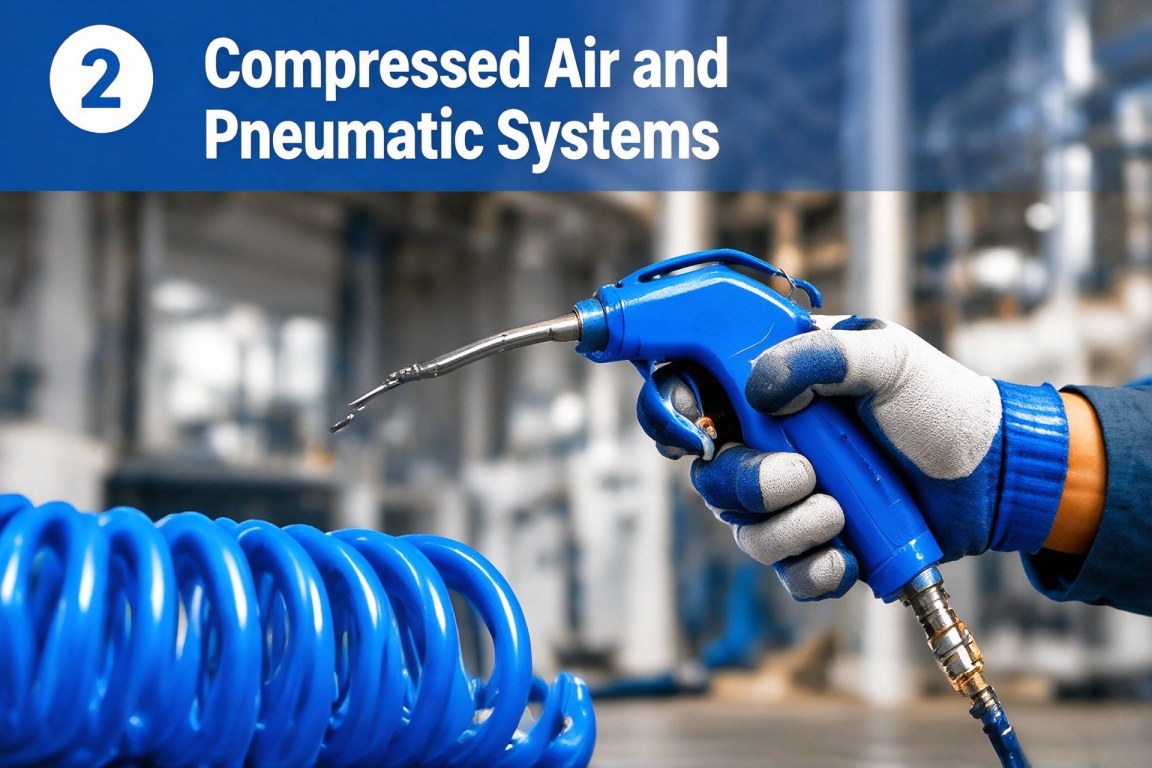
2. Compressed Air and Pneumatic Systems
Rubber air hoses are widely used in manufacturing plants, workshops, construction sites, and industrial production lines.
They transport compressed air from compressors to pneumatic tools and machinery, including:
- Air drills and impact wrenches.
- Spray guns and pneumatic equipment.
- Industrial automation systems.
- Construction and maintenance tools.
- Air-powered production machinery.
Rubber air hoses are valued for their flexibility, durability, and resistance to mechanical wear. Reinforcement layers help them withstand the pressure generated by compressed air systems.
In applications involving frequent movement, the hose should also have sufficient flexibility and a durable outer cover to resist abrasion.
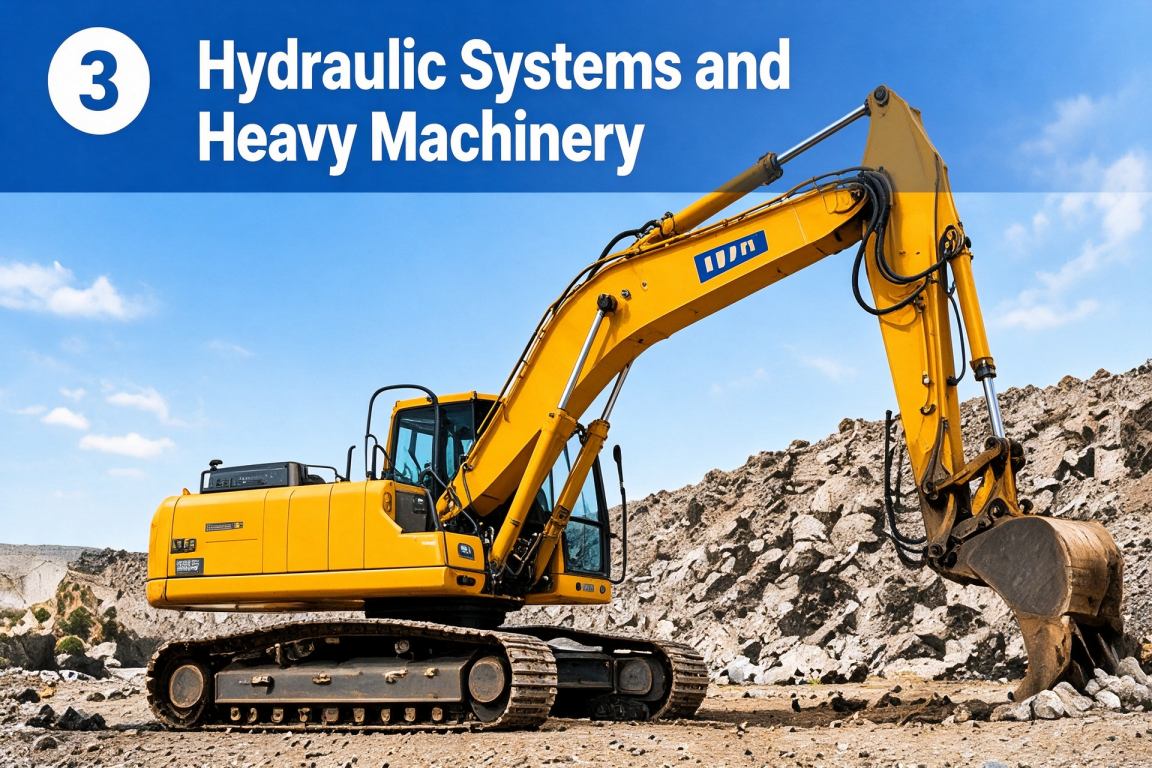
3. Hydraulic Systems and Heavy Machinery
Hydraulic hoses are among the most demanding types of industrial rubber hoses. They transfer pressurized hydraulic fluid to operate machinery and equipment.
Common applications include:
- Excavators and bulldozers.
- Agricultural tractors and harvesters.
- Forklifts and lifting equipment.
- Industrial presses and injection molding machines.
- Mining and construction machinery.
Hydraulic hoses generally use textile or steel wire reinforcement to withstand high working pressures and repeated pressure cycles.
Common hydraulic hose types include SAE 100 R1, R2, R5, R16, and spiral-reinforced hoses such as 4SP and 4SH. Each type is designed for specific pressure and application requirements.
Utigoflex provides hydraulic hose solutions for different industrial requirements, including steel wire braided and steel wire spiral constructions. Choosing the correct hose specification is essential for maintaining hydraulic system performance and reducing unexpected downtime.
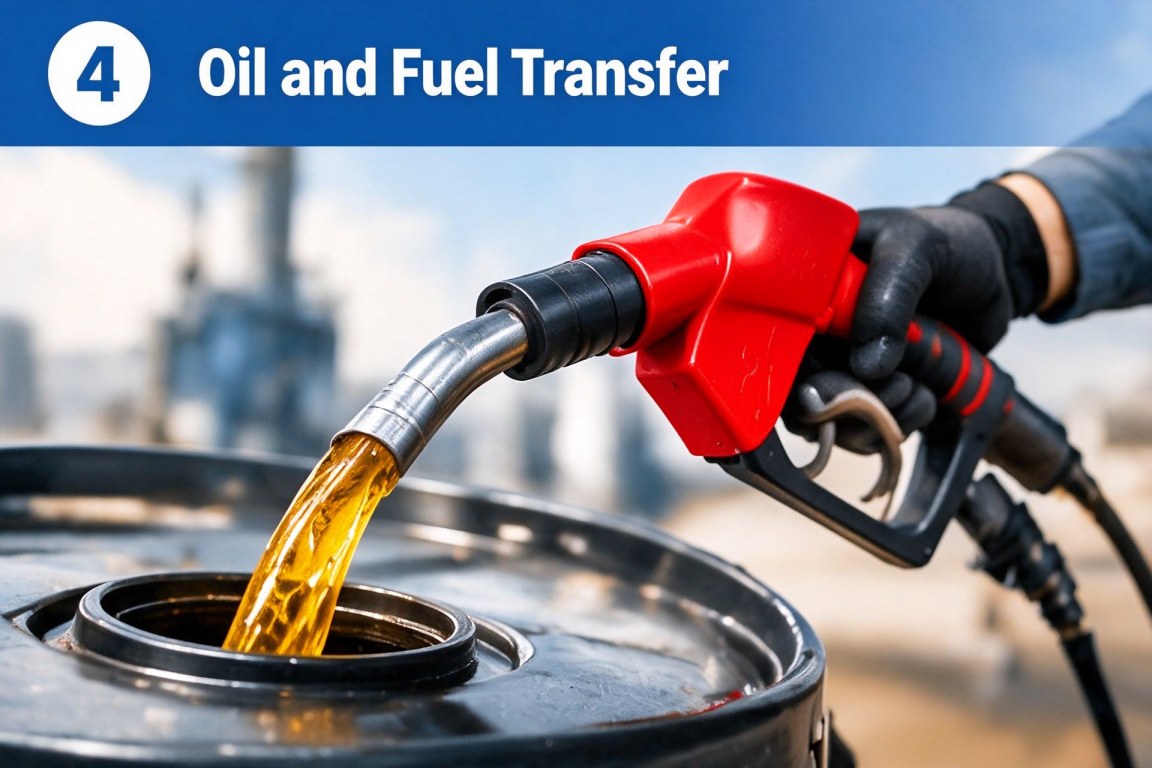
4. Oil and Fuel Transfer
Rubber hoses are also widely used to transfer petroleum products, fuels, and lubricants.
Typical applications include:
- Fuel delivery in automotive systems.
- Diesel and gasoline transfer.
- Oil suction and discharge.
- Lubrication systems in industrial machinery.
- Fuel handling in marine and transportation equipment.
Oil and fuel hoses require specialized inner tube materials that can resist swelling, deterioration, and chemical interaction with the conveyed medium.
NBR is commonly used because of its good resistance to petroleum-based oils and fuels. However, the exact material must be selected according to the fuel composition, temperature, and operating pressure.
For bulk fuel transfer, suction and discharge hoses may also incorporate suitable reinforcement to maintain structural stability during operation.
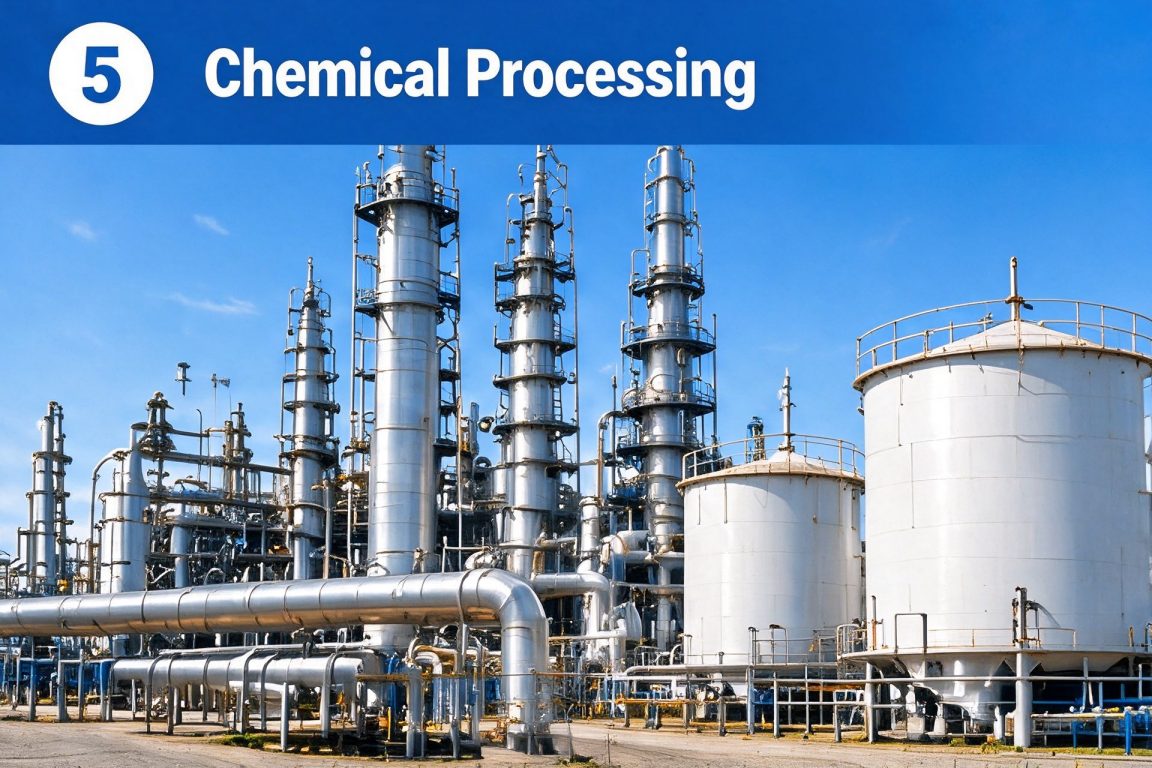
5. Chemical Processing and Industrial Fluid Transfer
Chemical plants and manufacturing facilities often require hoses to transport acids, alkalis, solvents, and other industrial liquids.
Chemical transfer hoses are used in:
- Chemical manufacturing plants.
- Industrial liquid distribution systems.
- Tank loading and unloading operations.
- Petrochemical facilities.
- Chemical storage and processing equipment.
Chemical compatibility is the most important consideration when selecting these hoses.
Different chemicals can react differently with rubber compounds. For example, EPDM, NBR, and FKM have different resistance characteristics. Some highly aggressive chemicals may require PTFE-lined or specially designed composite hoses rather than conventional rubber hoses.
Buyers should always check a chemical compatibility chart and confirm the hose manufacturer’s recommendations before selecting a product.
6. Steam and Hot Water Applications
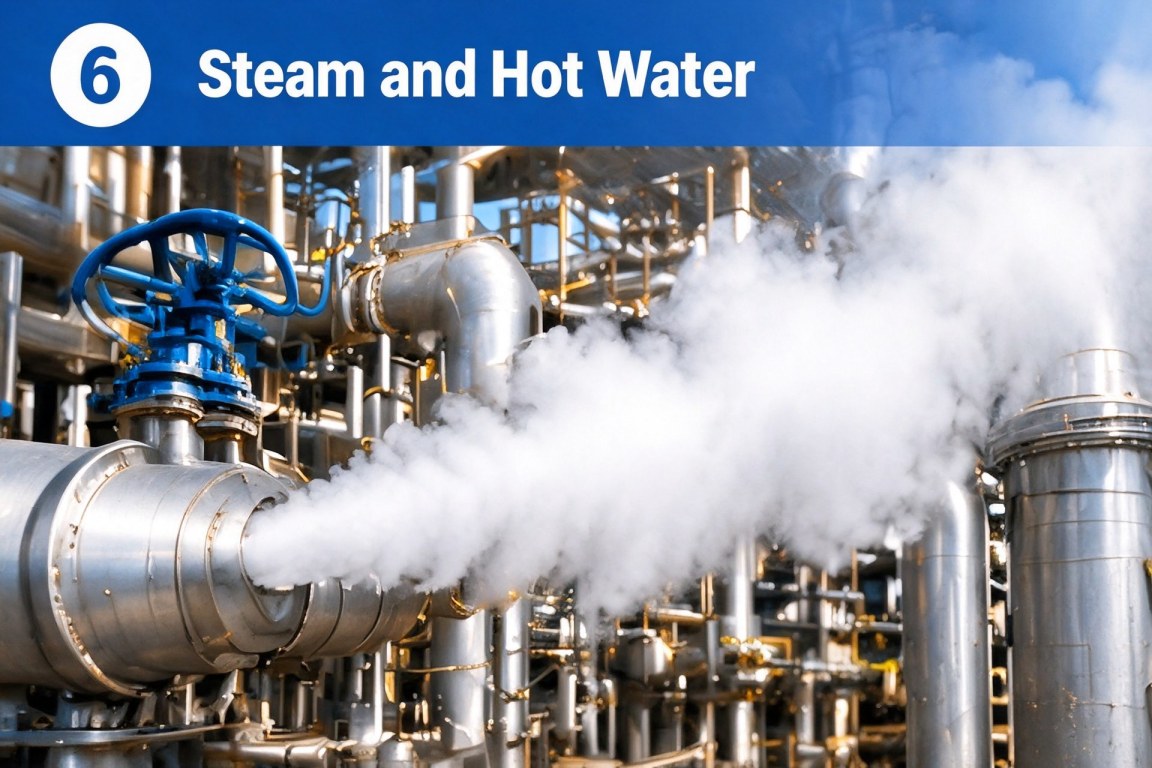
Rubber steam hoses are designed to transport saturated steam and hot water in industrial environments.
Common applications include:
- Industrial cleaning and washing.
- Food processing facilities.
- Textile manufacturing.
- Chemical production.
- Equipment heating and maintenance.
These applications require specialized heat-resistant rubber compounds and reinforcement structures.
EPDM is commonly used in steam and hot-water hose construction because of its heat and water resistance. However, steam hoses must be specifically designed and rated for steam service. Ordinary hot-water hoses should never be used as substitutes.
Operating temperature, steam pressure, connection design, and maintenance procedures all influence safety and service life.
7. Food and Beverage Processing
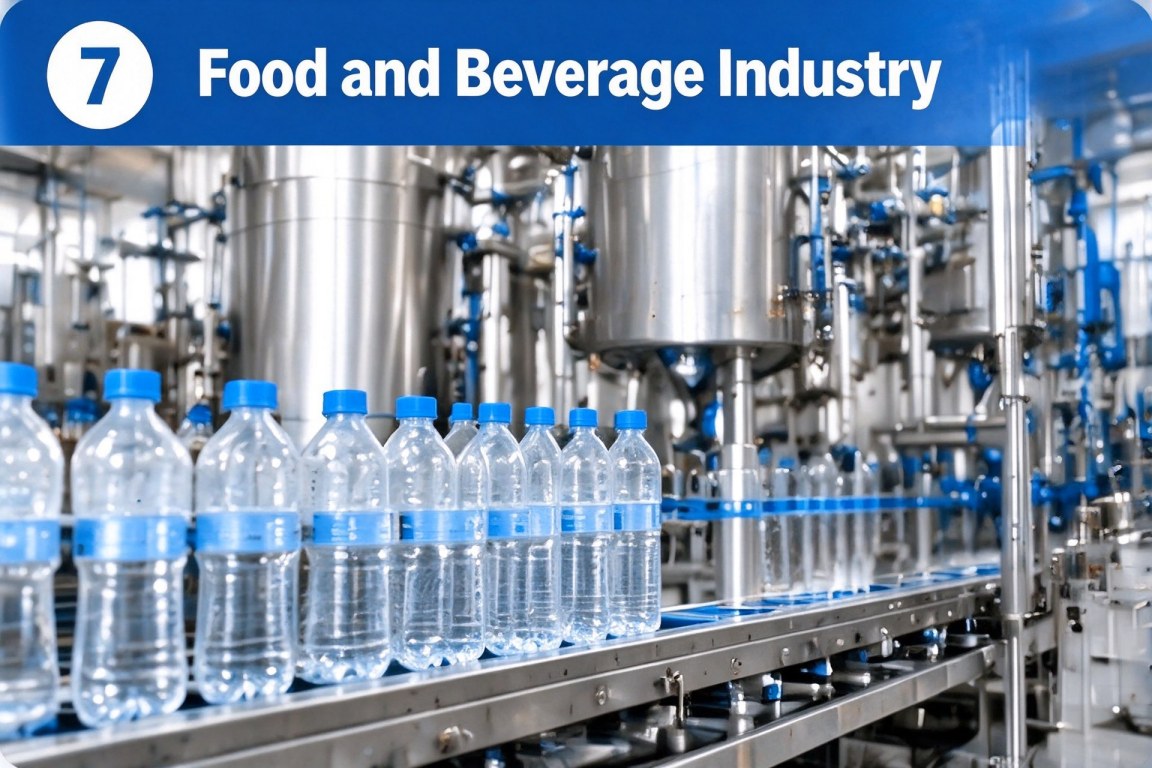
Rubber hoses also play an important role in food and beverage production.
They are used to transfer:
- Milk and dairy products.
- Drinking water.
- Juice and other beverages.
- Liquid food ingredients.
- Cleaning and sterilization fluids.
Food-grade rubber hoses must meet applicable food-contact requirements and should not release harmful substances or affect the taste, odor, or quality of the conveyed products.
Depending on the application, manufacturers may use specialized EPDM, NBR, or silicone compounds.
In addition to material compatibility, buyers should consider smooth inner surfaces, cleaning procedures, temperature resistance, and relevant food-contact certifications.
8. Construction, Mining, and Material Handling
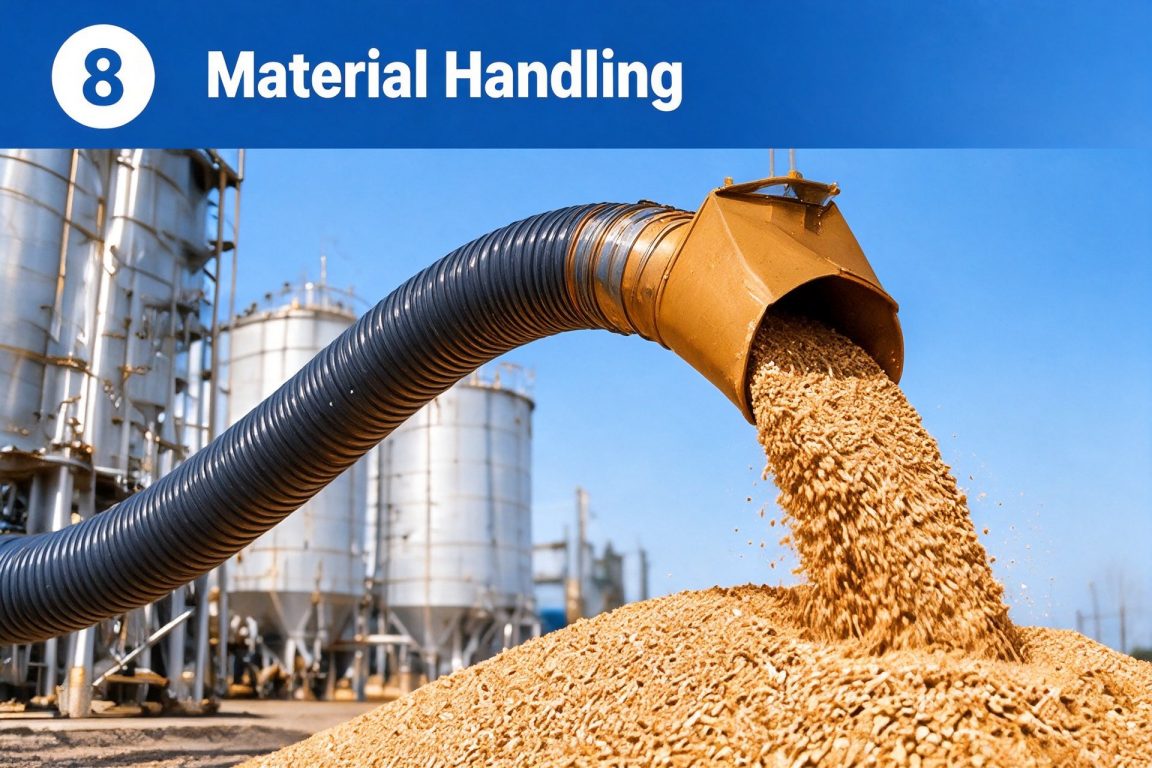
Construction and mining operations involve the transportation of abrasive materials such as sand, gravel, concrete, cement, and mineral slurry.
Rubber hoses are commonly used for:
- Concrete pumping.
- Sandblasting.
- Cement and powder transfer.
- Slurry transportation.
- Mine dewatering and drainage.
These applications place significant demands on hose durability.
For abrasive material handling, the inner tube should provide sufficient wear resistance. Concrete pumping hoses also require suitable reinforcement to withstand the specified pumping pressure.
For suction applications, additional structural reinforcement may be necessary to prevent the hose from collapsing under vacuum.
Utigoflex offers industrial hose solutions for different working environments, helping customers identify suitable hose constructions according to their operating requirements.
9. Automotive, Agricultural, and Marine Applications
Beyond heavy industry, rubber hoses are essential in transportation and everyday equipment.
Automotive: Rubber hoses are used in engine cooling, fuel delivery, lubrication, and air intake systems. Radiator hoses, for example, transfer coolant between the engine and radiator.
Agriculture: Agricultural machinery uses hoses for irrigation, spraying systems, hydraulic power transmission, and water delivery.
Marine: Marine hoses are used for seawater circulation, engine cooling, fuel transfer, and onboard fluid handling. They may require additional resistance to moisture, ozone, and environmental exposure.
These applications demonstrate how rubber hoses support equipment performance across a wide range of industries.

10. How to Choose the Right Rubber Hose
Although rubber hoses have many applications, not every hose is suitable for every working condition. Before purchasing, consider the following factors:
- Conveyed Medium:Identify whether the hose will transport water, air, oil, fuel, chemicals, steam, or abrasive materials.
- Working Pressure:Check the required operating pressure and any possible pressure fluctuations. Make sure the hose assembly is properly rated.
- Temperature Range:Consider both the temperature of the conveyed medium and the surrounding environment.
- Hose Material:Different rubber compounds offer different levels of oil resistance, chemical compatibility, heat resistance, and flexibility.
- Reinforcement Structure:Textile reinforcement, steel wire braiding, and spiral reinforcement provide different pressure and structural capabilities.
- Size and Connections:Select the correct internal diameter, hose length, and fitting type to ensure proper installation and flow performance.
Utigoflex supplies a range of industrial rubber hose products for air, water, oil, chemicals, steam, food, and hydraulic applications. Matching the hose construction to the actual operating conditions helps improve reliability and service life.
Conclusion
Rubber hoses are used across a wide range of industries, including manufacturing, construction, agriculture, automotive, mining, food processing, and chemical production.
Their main functions include transferring liquids and gases, delivering hydraulic power, transporting abrasive materials, and connecting moving equipment.
However, choosing the right rubber hose requires more than identifying its intended application. Working pressure, temperature, media compatibility, reinforcement, and environmental conditions must all be considered.
By understanding these factors, industrial buyers can select suitable hose products, improve equipment reliability, and reduce unnecessary maintenance costs.
Looking for reliable industrial rubber hose solutions? [Contact Utigoflex] to discuss your application requirements and find the right hose for your business.
Conclusion: Invest in Premium Assemblies to Protect Your Equipment
It can be tempting to cut costs on hydraulic hoses—after all, to the untrained eye, they look like simple rubber tubes. But when you understand the physics occurring inside that assembly—pressures exceeding 6,000 PSI and pressure impulses hitting 30 times per second—your engineering perspective changes.
A premium hydraulic hose assembly is not an operational expense; it is insurance for your entire business asset. It represents the thin line between a highly productive workday and a catastrophic, expensive shutdown.
Build Your Safe Systems with Utigoflex
At Utigoflex, we specialize in manufacturing high-performance hydraulic hose assemblies that strictly adhere to the 4:1 safety factor and precise crimp tolerances. Don’t leave your machinery safety to chance.
[Contact Utigoflex Today] to request a specialized quote or download our complete technical assembly catalog.

